
The familiar streetscape of downtown Tyler has transformed into a dynamic zone of progress, with construction barriers and redirected traffic signaling a period of significant revitalization that might cause residents and visitors to question the feasibility of a trip to the city center. While the ease of pulling into a curbside spot directly in front of a destination is temporarily suspended, a closer look reveals that the city has implemented a robust and strategic network of resources designed to maintain accessibility. The core of downtown remains very much open for business, but navigating it successfully now requires a shift in perspective from spontaneous arrival to thoughtful planning, utilizing a system of centralized parking and convenient transportation alternatives. The current landscape is not a barrier but rather an invitation to rediscover downtown through a new lens, ensuring its vitality continues to thrive amidst the transformation.
Understanding the Transformation
The extensive work currently underway is not a singular effort but a carefully coordinated convergence of two monumental initiatives aimed at modernizing and enhancing the city’s core for decades to come. The primary driver is the ambitious Downtown Improvement Project, a collaborative venture between the City of Tyler and Smith County set for completion in early 2028. This project is poised to fundamentally reshape the area into a more inviting, pedestrian-centric hub complete with a new county courthouse, two-way streets to improve traffic circulation, public green spaces, and modern amenities. Running concurrently is a massive, multi-million-dollar upgrade to the city’s wastewater infrastructure, a critical project involving the installation of thousands of feet of new sanitary lines. The decision to execute both projects simultaneously, while intensifying the immediate disruption, was a strategic move to prevent the costly and frustrating process of excavating newly paved streets for future underground work, ensuring a more efficient and lasting revitalization.
In response to the temporary challenges posed by this dual-project undertaking, city officials have adopted a proactive stance focused on public guidance and communication to mitigate confusion and ensure continued access to the downtown business district. The official consensus emphasizes that while construction presents undeniable hurdles, a wealth of resources has been put in place to support residents, visitors, and local businesses. A key element of this strategy is the installation of clear, directional signage throughout the downtown area, guiding drivers away from closed-off streets and toward available parking facilities. The overarching message encourages visitors to plan their trips in advance, allowing for extra travel time and familiarizing themselves with the updated parking landscape before leaving home. This represents a fundamental, albeit temporary, shift in how people access downtown, moving from the convenience of immediate street parking to the strategic use of centralized lots and garages connected to the square by short walks or a dedicated shuttle system.
A Detailed Guide to Parking Resources
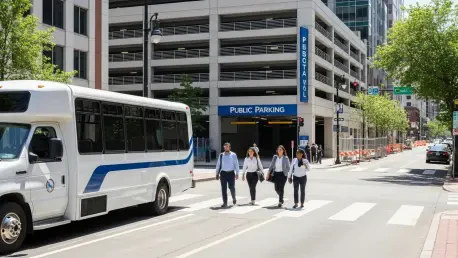
The cornerstone of downtown accessibility lies within two major parking garages that offer completely free parking to the public at all times, providing a significant and cost-effective resource for visitors. The Smith County Parking Garage, located at 210 East Ferguson Street, is a primary hub for those approaching the square. It is important for drivers to note that access to this facility is exclusively from the westbound lanes of West Ferguson Street for both entry and exit. Similarly, the Fair Plaza Parking Garage, situated at 208 South College Avenue, also provides free public parking around the clock. Positioned just one block from the square, it offers a brief and pleasant three-minute walk to the center of downtown activity, making it an ideal choice for those looking to park once and explore the area on foot. Both entry and exit points for the Fair Plaza garage are conveniently located on South College Avenue, streamlining the process for drivers.
Beyond the free options, several paid facilities offer flexible and convenient parking throughout the downtown area. The Plaza Tower and People’s Parking Lots, located on North Bois D’Arc Avenue, are highly recommended for patrons visiting businesses along College Avenue. These lots feature a user-friendly cost structure of $1 per hour, with a daily maximum of $10. Significantly, they become free for all users after 5:00 p.m. on weekdays and for the entire duration of the weekend, making them an economical choice for evening and weekend outings. For those who prefer a cashless transaction, the Regions Bank Parking Lot at 100 East Ferguson Street provides public access on its top level. The rates are tiered, starting at $2 per hour for shorter stays. While limited two-hour street parking remains on select blocks like North Broadway Avenue and East Erwin Street, the garages and paid lots represent the most reliable and recommended options for a stress-free downtown visit.
Navigating the Downtown Core with Ease
To ensure seamless movement between parking facilities and the heart of the business district, the city has introduced a complimentary downtown shuttle service, a critical component of its accessibility plan. This service, operated in partnership with Tyler Valet, is specifically designed to bridge the distance from the primary parking garages to key destinations, offering a convenient and efficient transportation solution. It serves as an invaluable resource for visitors who may have mobility limitations or for anyone wishing to avoid a walk during inclement weather or the Texas heat. The shuttle’s purpose extends beyond mere transportation; it is a vital link that maintains the cohesive and accessible nature of the downtown experience, reassuring the public that every corner of the district remains within easy reach despite the ongoing construction and street closures. This thoughtful provision demonstrates a commitment to supporting both the public and the local businesses that are the lifeblood of the city center.
The shuttle service operates on a meticulously planned schedule and a fixed route to maximize its effectiveness and provide reliable coverage throughout the day and into the evening. On weekdays, the shuttle runs continuously from 8:00 a.m. to 5:00 p.m., catering to the daytime workforce, shoppers, and diners. Recognizing the importance of the evening and weekend economy, the service extends its hours on Thursdays from 6:00 p.m. to 10:00 p.m., and on both Fridays and Saturdays from 7:00 p.m. to 11:00 p.m. The route features six strategically placed stops, including the Fair Plaza Parking Garage, Liberty Hall, the Smith County Parking Garage, the Plaza Tower Parking Lots, and key street corners, ensuring that passengers are never more than a few steps from their intended destination. This comprehensive schedule and route design make the shuttle a practical and dependable tool for navigating the evolving downtown landscape with confidence and ease.
The Heartbeat of Downtown: An Enduring Community
Despite the visual impact of the construction, it was crucial to recognize that the vibrant array of downtown businesses, including popular establishments like Rick’s on the Square and The Black Pearl, remained fully operational and accessible. A short walk from any of the designated parking garages was all that separated patrons from the unique dining and entertainment experiences that define the area. Throughout this transformative period, these local entrepreneurs faced the challenge of a noticeable decline in foot traffic. In response, they issued a heartfelt appeal to the community, asking for continued support to help them navigate the temporary downturn. The city’s strategic implementation of accessible parking and a free shuttle service ultimately provided the necessary infrastructure to answer that call, ensuring that the path to supporting local commerce remained clear and convenient for everyone.