
A landmark regeneration project in Woolwich, London, recently received unanimous approval, signaling a potential new direction for urban renewal in the historic district by placing landscape architecture at the forefront of its design. The development, dubbed “Electric Works,” is not just another housing complex; it’s a bold experiment designed around a central question: can thoughtfully designed green and public spaces be the primary engine for social and economic revitalization? This ambitious project, led by the real estate platform re:shape, puts its faith in the idea that the quality of the public realm is the fundamental key to creating a thriving, modern community. With its green-lit status, Electric Works is now poised to test this landscape-led philosophy on a grand scale, potentially setting a new precedent for how cities approach high-density living and neighborhood revitalization in the years to come.
A New Blueprint for Urban Living
At its core, Electric Works is a massive undertaking aimed at reshaping a significant portion of the Woolwich urban fabric, with plans calling for the construction of 1,400 new residential units. However, its ambition extends far beyond simple construction, as the project is positioned as a “transformative” effort intended to fundamentally enhance the neighborhood by creating a new, integrated community. This development is a key addition to the ongoing revitalization efforts across the Royal Borough of Greenwich, designed not as a standalone island but as a cohesive part of the district’s future. The project’s commitment to social diversity is deeply embedded in its housing strategy, which deliberately avoids targeting a single demographic. Instead, it incorporates three distinct living models: modern shared-living spaces for young professionals, dedicated student accommodations, and a crucial provision of affordable housing to address London’s pressing needs. This multifaceted approach is a clear and intentional effort to foster a socially inclusive and equitable community from its inception.
The strategic vision for Electric Works demonstrates a clear objective to foster a socially diverse and integrated community, accommodating different life stages, income levels, and lifestyle preferences within a single, cohesive development. By weaving together housing for students, young professionals, and families requiring affordable options, the project aims to cultivate a vibrant and dynamic social ecosystem. This model directly counters the trend of creating exclusive, monolithic residential enclaves, instead promoting a neighborhood where varied life experiences can intersect and enrich one another. This integrated approach is critical to delivering long-term social value, ensuring that the development becomes a genuine community hub rather than just a collection of buildings. The unanimous approval from the local authority underscores a strong municipal endorsement of this holistic vision, recognizing its potential to not only provide much-needed housing but also to strengthen the social fabric of Woolwich for decades to come.
The Landscape-First Philosophy
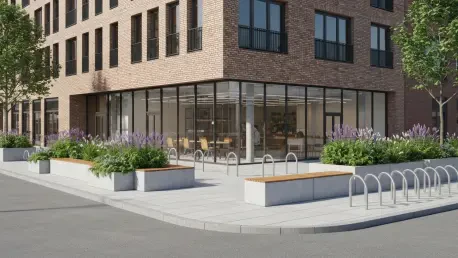
What truly sets Electric Works apart from conventional developments is its landscape-led design philosophy, a comprehensive vision crafted by the architecture firm Studio Bosk. In this innovative model, the outdoor environment is not treated as a decorative afterthought or a leftover space between buildings; it is the central organizing principle of the entire development. The core mission is to create inclusive, high-quality outdoor spaces that actively support and encourage “everyday social life,” transforming parks, plazas, and pedestrian walkways into vibrant and functional hubs of community interaction. This philosophy is brought to life through a carefully considered strategy of “active ground-floor frontages,” which ensures that the street level is animated with engaging uses like cafe terraces, transparent building entrances, and accessible shopfronts. By creating a seamless and inviting interface between the private and public realms, this approach dramatically enhances the pedestrian experience, promotes natural surveillance that makes spaces feel safer, and encourages the kind of spontaneous social encounters that build strong community bonds.
Another foundational pillar of the design is a profound focus on connectivity, both within the development and with the surrounding neighborhood. The plan prioritizes the creation of safe, pleasant, and highly efficient walking and cycling routes that are designed to seamlessly integrate the new development with the existing urban fabric of Woolwich. This commitment to active and sustainable transport modes is about more than just reducing dependency on cars; it is a strategic move to promote healthier lifestyles and physically and socially stitch the new community into its wider context. Central to this vision is the principle of community-led placemaking, a collaborative process that actively involves local residents in shaping the design, use, and ongoing management of their public spaces. This approach fosters a deep sense of ownership and pride among residents, ensuring that the resulting spaces are not only beautiful and functional but also genuinely relevant and cherished by the people who use them every day, thereby delivering enduring social value.
Weaving Nature and Community into the Design
The project’s green credentials are a central and defining feature, prominently showcasing a “bold and biodiverse planting scheme” meticulously designed to deliver significant and measurable ecological value. This commitment extends far beyond simple aesthetics, incorporating a wide variety of plant species, with a preference for native and pollinator-friendly options. This strategy is designed to actively support local wildlife, improve air quality, manage stormwater runoff more effectively, and create a more resilient and aesthetically rich environment for all residents to enjoy. The integration of such robust green infrastructure reflects a forward-thinking approach to urban planning, one that recognizes the critical role of nature in creating healthy, sustainable, and livable cities. This focus on biodiversity is a testament to the project’s holistic vision, where environmental performance is considered as important as architectural design and social functionality.
The human element is just as crucial to the design, with specific features tailored to foster a strong sense of community and provide ample opportunities for recreation and play. The deliberate inclusion of “structural play features” signals a genuinely family-friendly environment, integrating imaginative and physically engaging play opportunities directly into the landscape architecture itself rather than relegating them to isolated playgrounds. This is complemented by the innovative creation of communal roof terraces, which effectively extend the development’s social and green spaces vertically. These elevated areas will serve as exclusive communal hubs for residents, offering more private and intimate settings for relaxation, social gatherings, and community events. By providing these multi-layered amenity spaces, from lively ground-floor plazas to serene rooftop gardens, the project ensures a rich and varied living experience that caters to a wide range of social needs and preferences.
The project’s unanimous approval from the Royal Borough of Greenwich represented a powerful endorsement of this holistic and integrated vision. Electric Works was ultimately hailed as a forward-thinking model that successfully synthesized the urgent need for high-density housing with the equally important goals of environmental sustainability, social inclusivity, and community well-being. By placing its public realm at the heart of its design, the project demonstrated a sophisticated understanding of modern urban challenges. It provided a compelling blueprint for how to create dense, livable, and socially vibrant neighborhoods, setting a potential new standard for urban regeneration projects not only in London but across other major cities facing similar pressures. The consensus reached by local authorities signaled a clear recognition of the plan’s merits and its potential to deliver a significant positive contribution to the future of Woolwich.