
The allure of a waterfront lifestyle, with its sense of relaxed sophistication and seamless connection to the outdoors, has long been considered a privilege of geography, seemingly reserved for those with a coveted coastal address. Yet, a burgeoning design philosophy, often referred to as the “Sydney style,” challenges this notion by demonstrating that the essence of harbourside living is not dependent on a water view. This approach is fundamentally about creating a specific feeling and functionality—a garden that serves as a true extension of the home, designed for living, entertaining, and unwinding. By focusing on principles of spatial planning, curated planting, and a seamless indoor-outdoor flow, it becomes possible to capture this coveted atmosphere in any backyard. The core idea is to transform the garden from a passive, ornamental space into an active, immersive environment that enhances daily life, proving that a relaxed, elegant outdoor retreat is achievable regardless of location.
The Garden as a Functional Extension of the Home
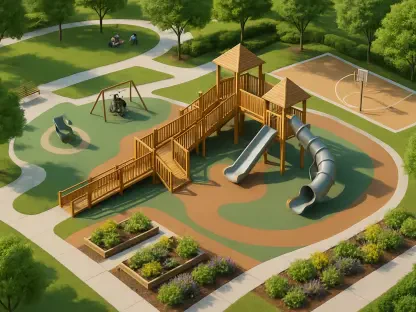
At the heart of this design ethos is a transformative shift in perspective: the garden is not merely something to be looked at but a space to be lived in. This philosophy moves beyond traditional landscaping by treating the backyard as an integral part of the home’s architecture, designed for all-year, all-weather usability. It is conceived around a lifestyle of active outdoor engagement, from casual family dinners to larger social gatherings. To achieve this, a key strategy is the creation of distinct “outdoor rooms.” Rather than a single, undefined expanse of lawn, the garden is thoughtfully divided into zones, each with a specific purpose. One area might be a dedicated dining space under a pergola, another a comfortable lounge for enjoying the evening air, and a third a secluded nook for quiet contemplation. This spatial division gives the entire landscape a sense of purpose and destination, encouraging inhabitants to move through and utilize the whole area, rather than simply viewing it from a window. It becomes a dynamic and functional setting for daily life, not just a static backdrop.
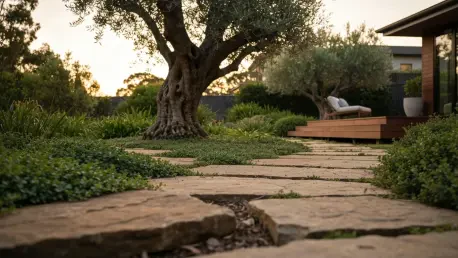
This functional approach is paired with a distinct aesthetic that balances casual comfort with understated formality, representing a modern evolution from classic Mediterranean garden design. The planting palette is a masterful blend of hardy Australian natives and timeless botanicals, creating a landscape that is both resilient and visually rich. Natives such as the coastal banksia (banksia integrifolia), the textured grass lomandra, the cascading casuarina “Cousin It”, and architectural plants like pandanus and agaves provide structure and a unique local character. These are often harmoniously combined with botanicals like olive trees, elegant camellias, vibrant bougainvillea, and structured buxus balls to soften the design and add layers of classic appeal. The goal is to create a multi-sensory experience through the strategic placement of accent plants, the subtle interplay of varying green tones, the gentle movement of ornamental grasses in the breeze, and the presence of magnificent feature trees that serve as stunning focal points both in daylight and when artfully illuminated at night.
Cultivating an Inland Oasis
When a property lacks a natural, expansive view like a harbor, the design principles are skillfully adapted to create an intimate and private sanctuary. The focus masterfully shifts from framing a distant external vista to curating a series of beautiful internal ones. The primary objective becomes crafting a sense of enclosure and serene seclusion, turning the garden’s attention inward. This is achieved not with imposing walls, but through the sophisticated use of layered plantings and strategic tree placement. A canopy of carefully selected trees can screen undesirable views from neighboring properties while still allowing dappled sunlight to filter through, maintaining a sense of airiness. Mass plantings of shrubs and tall grasses at the perimeter can further enhance this feeling of a sheltered haven. Level changes, such as sunken lounges or raised garden beds, also contribute to the creation of distinct zones and a feeling of immersive privacy, transforming the backyard into a self-contained world that feels both protected and deeply connected to nature.
To achieve the lush, immersive quality that defines this style, the art of three-dimensional layering is paramount. This technique involves creating distinct vertical tiers within the garden to build depth and visual complexity. It begins with a high canopy of taller trees that provide shelter and a ceiling-like effect. Beneath this is a mid-storey composed of shrubs, smaller feature trees, and large perennials that fill the space and guide the eye. Finally, a rich ground cover of low-growing plants, grasses, and flowers carpets the earth, softening edges and tying the entire composition together. This layered approach creates a rich tapestry of textures and forms that makes the garden feel established and full. Complementing this is a deliberate use of natural materials that enhance the organic, relaxed aesthetic. Weathered stone for paving and walls, natural timber for decking and pergolas, and other textured materials help ground the design in its environment, lending it a timeless and sophisticated quality that feels both elegant and effortlessly comfortable.
A New Perspective on Landscape Design
The most effective and defining technique for capturing the harbourside spirit, particularly in smaller or inland spaces, involved blurring the boundaries between the home’s interior and the garden. This was most powerfully accomplished through the use of large-scale sliding or bi-fold doors that, when fully opened, effectively removed the wall between the living area and the outdoors. This architectural integration made the garden feel less like a separate entity and more like a natural continuation of the indoor living space. The seamless transition encouraged a fluid lifestyle where moving between the kitchen, the lounge, and the patio became an effortless, everyday act. This strong connection fostered a deeper appreciation for the outdoors and fully embodied the functional, easy-living ethos at the core of the style. By dissolving this physical and psychological barrier, any home gained the ability to embrace its landscape as a fundamental and accessible part of its design, creating a unified and expansive living environment. This thoughtful integration of home and garden became the ultimate expression of the design philosophy.