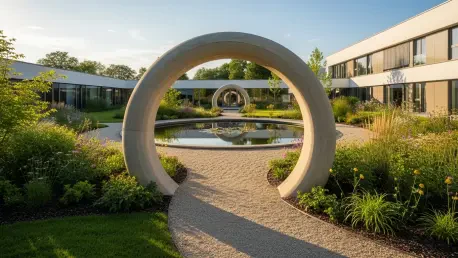

The journey through fertility treatment is often characterized by clinical environments and immense emotional stress, yet an innovative approach is emerging that looks beyond the laboratory to the landscape itself for support. A conceptual design for a fertility clinic in rural north Cornwall has captured national attention, not for a medical breakthrough, but for its pioneering use of horticultural therapy and landscape architecture to create a sanctuary for patients. This project, recognized as a finalist in a prestigious national design competition, underscores a growing belief that the environment in which care is delivered can be as crucial as the treatment itself. The design, titled “Nurture,” proposes a therapeutic space where nature is intentionally woven into the patient experience, aiming to alleviate anxiety and foster a sense of calm, which some studies suggest could have a tangible impact on treatment outcomes. It challenges the conventional model of healthcare facilities by integrating holistic well-being directly into its physical foundation.
The Blueprint for a Therapeutic Landscape
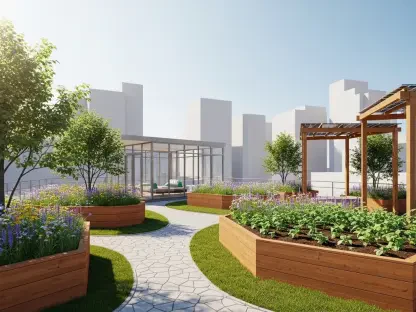
At the heart of the “Nurture” concept is the deliberate creation of a calm, supportive, and therapeutic environment meticulously planned to ease the emotional burden on clinic visitors. The design, developed by horticulturist Sally Robinson during her studies at Cornwall College University Centre, moves beyond simple aesthetics to strategically integrate natural elements. Specific plantings known for their calming properties, coupled with the soothing presence of water features, are arranged to guide visitors through a relaxing experience. Central to this vision are dedicated spaces for wellness activities such as yoga and meditation. This feature is directly informed by research indicating that incorporating such mind-body practices into fertility programs can significantly enhance their effectiveness, with some studies suggesting a doubling of success rates. By providing a purpose-built setting for these activities, the landscape becomes an active participant in the therapeutic process, offering a peaceful retreat from the clinical aspects of treatment and fostering a holistic approach to patient care.
The design’s thoughtful composition extends into powerful symbolism and ecological responsibility, embedding deeper layers of meaning within the tranquil setting. A central reflective pool and a prominent arched structure serve as focal points, symbolizing fertility, optimism, and the promise of new beginnings, offering visitors quiet moments for contemplation and hope. The layout is further enhanced by gentle, meandering pathways that wind through woodland planting and secluded areas, encouraging both gentle movement and quiet reflection. This careful planning not only caters to the emotional needs of patients but also significantly increases the site’s overall ecological value, creating a habitat that is as nurturing for local wildlife as it is for people. Robinson’s recognition as a finalist in the esteemed Society of Garden Landscape Design Awards lends significant weight to this innovative approach, validating the idea that a thoughtfully designed landscape can play a vital, supportive role in the sensitive context of fertility treatment.
From Concept to a Broader Health Movement
While “Nurture” remains a conceptual project, its underlying principles are already being applied in real-world settings through Robinson’s work at CHAOS Farm. There, she channels her expertise into designing tangible therapeutic spaces, including a new sensory garden and a wildlife pond, which directly benefit the community. Her role also involves propagating vegetables for a market garden and coordinating volunteer activities centered around horticultural therapy, demonstrating the practical and immediate impact of nature-based wellness initiatives. This hands-on experience grounds the award-nominated concept in proven practice. Rich Hardy, the head grower at CHAOS Farm, underscored the significance of the award nomination, referring to the competition as the “Oscars of the sector.” He emphasized that such recognition provides invaluable networking opportunities, helping to elevate the conversation around therapeutic landscapes and connect innovators with institutions that can implement these forward-thinking designs.
A Greener Future for Patient Care
The growing interest in projects like “Nurture” reflected a larger, post-pandemic shift toward integrating natural spaces into public health infrastructure. This movement saw healthcare providers, including the NHS and various care homes, increasingly recognize and utilize gardens to improve both physical and mental well-being. Rich Hardy noted this trend, positioning organizations like CHAOS as potential pioneers for implementing such projects throughout their region. The success and recognition of a design focused on fertility support signaled a critical evolution in thought, where the healing power of the natural world was no longer seen as merely supplemental but as a fundamental component of comprehensive patient care. This integration marked a pivotal moment, suggesting that the future of healthcare design would increasingly embrace the landscape as a partner in promoting recovery, resilience, and overall wellness.