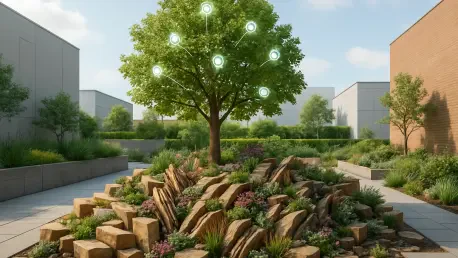

The physical migration of a gold-standard horticultural exhibit into a permanent public space signifies a profound shift in how modern cities perceive and utilize temporary design triumphs. The transition of the award-winning Avanade Intelligent Garden from the prestigious grounds of the Royal Horticultural Society Chelsea Flower Show to the burgeoning green district of Manchester represents a landmark moment in sustainable urban design and high-tech landscaping. This project, which garnered significant acclaim during its debut on the world stage, is not merely being relocated in a literal sense; it is being thoughtfully reimagined and woven into the very fabric of Manchester’s Mayfield Park. Such an initiative underscores a growing trend in the global landscaping industry, highlighting a definitive shift from high-impact, temporary exhibitions toward the creation of permanent, functional urban assets that leverage cutting-edge technology to solve the pressing environmental challenges of 2026. By moving beyond the ephemeral nature of traditional flower shows, the project demonstrates how high-end design can serve a long-term civic purpose, transforming a showcase piece into a living, breathing component of a city’s infrastructure. This transition represents a maturation of the industry, where the focus has moved from aesthetic perfection for a limited audience to the practical application of horticultural innovation for the benefit of diverse urban populations and the ecosystems they inhabit.
Integrating Intelligence into the Urban Fabric
The success of this garden’s second life in Manchester is deeply rooted in a sophisticated collaborative effort between the original creative visionaries and the architects responsible for the host site. While the renowned design duo of Tom Massey and Je Ahn provided the initial conceptual vision that captivated judges at Chelsea, the intricate reimagining of the space is being meticulously led by Studio Egret West. This choice of partnership is particularly significant because Studio Egret West served as the original masterminds behind the overall design of Mayfield Park itself. Their intimate knowledge of the site’s topography, existing biodiversity, and visitor flow ensures a seamless continuity between the established park infrastructure and the newly introduced elements of the Avanade Garden. This collaborative approach prevents the garden from feeling like an isolated installation, instead allowing it to function as a natural extension of the park’s wider mission to provide high-quality green space in the heart of a dense urban center. By blending the artistic flair of show-garden design with the practical rigors of public realm architecture, the project sets a new benchmark for how cities can inherit and adapt world-class design assets without sacrificing the integrity of the local environment or the original artistic intent.
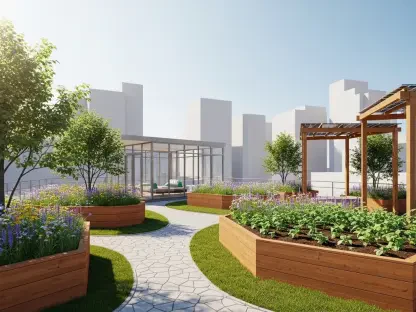
A central tenet of this relocation strategy is the selective reuse of elements rather than a wholesale transplantation, which historically has led to failure in many post-exhibition projects. Wholesale moves often fail to account for the unique ecological stressors and aesthetic requirements of a new site, resulting in a landscape that feels artificial or struggles to thrive in its new climate. To avoid these pitfalls, the team is focusing on a “site-specific reimagining” that prioritizes the health of the flora and the utility of the hardware. The original construction, managed by The Outdoor Room, earned the “Best Construction Award” for its impeccable standards, and this high level of craftsmanship is now being translated into the Manchester landscape to create a “softer, greener arrival” into Mayfield Park. This entrance experience is designed to be inviting and restorative, providing a buffer against the hard surfaces of the surrounding city while introducing a layer of technological sophistication that was previously absent from the public space. By carefully curating which materials and species are brought to Manchester, the designers are ensuring that the garden’s arrival feels organic, grounded, and ultimately sustainable for decades to come.
Revolutionary Tree Care through Sensory Technology
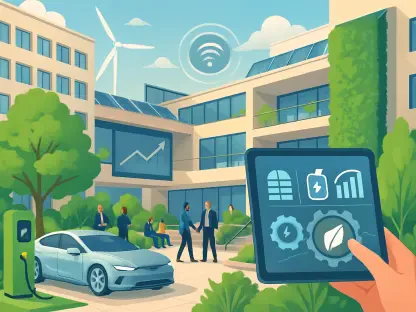
The defining feature of the Avanade Intelligent Garden is its integration of a sophisticated suite of sensors designed to track the health and physiological well-being of urban trees in real-time. This “intelligent” moniker is not merely a marketing term but refers to a functional network of hardware that has been specifically relocated to Mayfield Park to serve as a long-term horticultural management tool. In a dense urban environment like Manchester, where trees are constantly battling stressors such as high air pollution, the urban heat island effect, and severe soil compaction from foot traffic, this technology is nothing short of transformative. These sensors facilitate a bidirectional flow of information, effectively granting the trees a digital “voice” that allows them to communicate their internal state to human caretakers. Site managers can access data-driven insights by querying the system on the trees’ hydration levels, nutrient absorption, and overall vitality. This level of granular data transforms the role of the modern arborist, moving the profession away from visual inspections toward a more precise, scientific approach to urban forestry that can identify hidden stressors long before they manifest as physical decay.
By adopting this data-centric model, the management team at Mayfield Park is transitioning from a reactive maintenance schedule to a proactive and preventative strategy. In traditional urban park management, issues such as pest infestations or irrigation failures are often only addressed after the foliage begins to wilt or die, at which point the damage may be irreversible. The AI-driven system changes this dynamic entirely, as the trees can “alert” the management team to minor fluctuations in their health that signal the early stages of stress. This ensures a significantly higher survival rate for the urban canopy, which is vital for the long-term success of any green district aiming to provide shade and air filtration. Furthermore, the massive datasets collected in Manchester will serve a purpose beyond the boundaries of Mayfield Park, contributing to a broader understanding of how urban trees interact with changing climates. The information harvested here will inform future urban canopy management strategies across the United Kingdom, providing a robust template for other municipalities that are looking to enhance their climate resilience through the implementation of smart, connected forestry programs.
Sustainable Materiality and Circular Economy Principles
A recurring and vital priority throughout this relocation project is a steadfast commitment to sustainability and the principles of the circular economy. For years, the landscaping and exhibition industries have faced valid criticism regarding the immense waste generated by temporary show gardens, which are often dismantled and discarded after only a few days of public viewing. The Avanade project directly counters this tradition by prioritizing the selective reuse of high-quality materials and the strategic incorporation of local resources to anchor the garden in its new home. To create a genuine “sense of place” in Manchester, the design incorporates salvaged local stone, including historic Manchester cobbles that were recovered from nearby highway works. By integrating these weathered, historic materials with the modern components of the garden, the designers have created a physical narrative that connects the city’s industrial heritage with its future as a leader in green technology. This use of locally sourced sandstone and reclaimed materials reduces the carbon footprint associated with transport while ensuring the new installation feels deeply connected to the local urban aesthetic.
In addition to using reclaimed stone, the project showcases a highly creative approach to waste management that treats every scrap of material as a potential resource. Stone offcuts that would traditionally be destined for a landfill are instead being meticulously repurposed into bespoke mosaic paving and specialized “crevice gardens.” These crevice gardens are not only visually captivating features that add texture to the landscape but also serve a critical ecological function by providing specialized habitats for various types of hardy flora that thrive in rocky, low-nutrient environments. This focus on micro-habitats significantly boosts the biodiversity of the site, supporting local pollinators and insects that are often excluded from more traditional, manicured public parks. This meticulous attention to material reuse and ecological complexity reflects a broader industry consensus that luxury design and environmental responsibility are no longer mutually exclusive. By demonstrating that high-end, award-winning aesthetics can be achieved through the clever use of waste and local materials, the project provides a powerful example of how the circular economy can be practically applied to large-scale urban regeneration projects.
Cultivating a Living Laboratory for Future Cities
Mayfield Park stands as the primary heart of Manchester’s “green district,” a massive urban regeneration project designed to provide much-needed public green space in a city center that has historically been dominated by industrial development. The addition of the Avanade Intelligent Garden elements elevates the park’s status from a traditional recreation area to a living laboratory for urban ecology and technological experimentation. Once the installation is fully realized, it will serve as a vital educational resource for the general public, demystifying the complexities of artificial intelligence and showing its practical, life-enhancing applications in the context of climate change mitigation. Visitors will be able to witness firsthand how digital technology can be used to protect and nurture the natural world, rather than merely serving as a tool for industrial efficiency or entertainment. This transparent display of technology in a natural setting encourages a deeper public understanding of the tools required to build resilient cities, fostering a sense of community ownership and pride in the city’s innovative approach to environmental stewardship.
The strategic relocation of this garden represents a successful synthesis of three major trends currently defining the field of landscape architecture: the creation of permanent legacies for show gardens, the integration of AI into long-term land management, and the rigorous application of circular economy principles in urban design. By avoiding the pitfalls of standard, uninspired relocation and focusing on a site-specific reimagining, the project ensured that the garden served the actual needs of Manchester residents rather than functioning as a mere trophy piece. The installation set a new standard for how urban parks could be managed, utilizing real-time data to optimize resource use and ensure the longevity of the urban forest. This project successfully moved the conversation forward by demonstrating that the cities of the future will rely on a harmonious relationship between nature and machine. The team finalized the installation phases during the spring months to prepare for a grand opening that signaled a new chapter for the district. Ultimately, the garden transitioned into a permanent fixture that proved how collaborative design and technological innovation could foster a more sustainable connection between urban dwellers and the natural systems that support them.