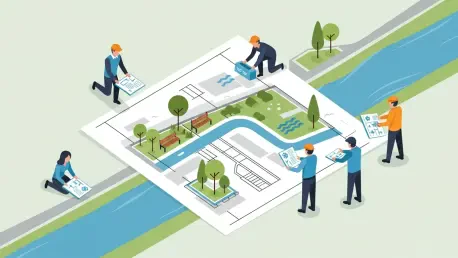

In the wake of the unprecedented devastation caused by Tropical Storm Helene in 2024, the City of Asheville is embarking on a pivotal phase of recovery, one that places the future of its cherished riverfront directly in the hands of its residents. The city has formally initiated a comprehensive public engagement process designed to gather critical feedback on multiple design concepts for the French Broad Riverfront Parks and the Azalea Parks and Infrastructure projects. This initiative moves beyond simple repair, aiming to fundamentally reimagine these vital community assets to be more resilient, accessible, and aligned with the community’s long-term vision. Building upon initial feedback gathered in late 2025, this second phase presents tangible, visual concepts that translate residents’ priorities into concrete designs for a revitalized riverfront. It represents a crucial opportunity for the public to help shape the landscape of Asheville for generations to come, ensuring the final plans reflect a collective vision for recovery and reinvention.
Shaping the Future Through Community Dialogue
The cornerstone of this engagement effort is a hands-on Community Design Workshop scheduled for Saturday, February 28, 2026, at the A-B Tech Community College Ivy Building. Designed for maximum public interaction, the event will run from 11:00 a.m. to 2:00 p.m. in a “drop-in” format, allowing residents to attend at their convenience. To facilitate a structured flow of information, the project teams will deliver short, recurring presentations throughout the event. Updates on the French Broad Riverfront Parks Project will be provided at the top of each hour, while the Azalea Parks and Infrastructure Project will be presented at the half-hour mark. Attendees will have the chance to review a series of concept alternatives displayed at various workstations, featuring detailed drawings and artistic renderings. Representatives from the lead design firms, OLIN and Sasaki, will be present to answer questions and, most importantly, to listen to public feedback on everything from park layouts and environmental resiliency features to infrastructure repairs and new recreational amenities. This direct input is considered essential for narrowing down the alternatives and creating a single, preferred design for each area. To eliminate potential barriers to participation, the city is offering free parking, complimentary transit vouchers, children’s activities, and Spanish language interpretation services.
Recognizing that a single event cannot capture the voice of the entire community, the city has established multiple alternative channels for participation to ensure a broad and inclusive feedback process. A comprehensive digital platform will launch on February 28, mirroring the materials presented at the in-person workshop. This online portal will feature detailed presentations of all design concepts and will be paired with an electronic feedback survey, allowing residents to submit their preferences and comments from home. The online survey will remain open for over two weeks, closing on March 16, to provide ample time for review and response. In addition to the digital option, project teams will host a series of informal “pop-up” engagement stations at various local events and community hubs throughout early March. This proactive outreach strategy is designed to meet residents where they are, engaging a wider cross-section of the community that might not attend a formal workshop. Furthermore, a series of focused meetings will be convened in early March to facilitate deeper, topic-specific discussions with key stakeholders and community groups who have a particular interest or expertise in aspects of the riverfront’s recovery.
The Impetus for a Resilient Recovery
This ambitious undertaking was born from the catastrophic flooding that ravaged Asheville in September 2024 as a result of Tropical Storm Helene. The storm inflicted severe and widespread damage along the French Broad and Swannanoa Rivers, inundating over 200 acres of the city’s park system. Vital community spaces, including the popular Recreation Park and Azalea Park, were completely submerged, suffering heavy damage to recreation facilities, public amenities, and the extensive greenway network. The storm’s impact extended to critical infrastructure, with significant damage reported at the Gashes Creek Bridge and Dam, as well as along Azalea Road. The two distinct yet interconnected recovery projects—the French Broad Riverfront Parks Project and the Azalea Parks and Infrastructure Project—were therefore established as an essential and direct response to this natural disaster. The overarching goal is not merely to restore what was lost but to implement forward-thinking designs that will revitalize Asheville’s critical riverfront recreation areas while making them far more resilient to future environmental challenges. The process underscores a commitment to learning from the past to build a stronger, more sustainable future for these invaluable public lands.
To bring this vision to life, the City of Asheville has assembled world-class professional teams and is pursuing a strategic, multi-pronged financial plan. The Azalea Parks and Infrastructure project is being spearheaded by OLIN, an internationally acclaimed firm renowned for its expertise in landscape architecture and comprehensive urban design. Simultaneously, the French Broad Riverfront Parks project is under the leadership of Sasaki, a global design firm with a distinguished multidisciplinary practice that integrates landscape architecture, planning, and civil engineering. The funding for these large-scale recovery efforts will rely heavily on federal disaster relief programs. The city is actively seeking significant financial support from the FEMA Public Assistance Program, the Community Development Block Grant Disaster Relief (CDBG-DR) program, and the Hazard Mitigation Grant Program. It is anticipated that these primary federal funds will be supplemented with additional grants and the strategic use of local capital funds to ensure that the community’s vision for a restored and enhanced riverfront can be fully realized without compromise, turning a story of disaster into one of innovative and collaborative renewal.
Forging a New Riverfront Legacy
Following the intensive community engagement period that concluded in mid-March, the project teams began the critical work of synthesizing the extensive public feedback. This wealth of information, gathered through workshops, online surveys, and pop-up events, served as the foundation for refining the multiple design concepts into a single, preferred vision for both the French Broad and Azalea projects. These final, community-shaped designs were then slated for presentation to the public for a concluding round of review later in 2026. The overall design phase for both initiatives was projected to continue through the end of 2026 and into early 2027, setting the stage for a phased construction approach on a subsequent timeline. Throughout this entire process, the city affirmed its commitment to maximizing public access, working to stabilize and temporarily reopen parks, greenways, and other facilities whenever it was deemed safe. This structured path forward ensured that the recovery was not only expertly designed but also deeply rooted in the expressed desires of the community it was meant to serve.