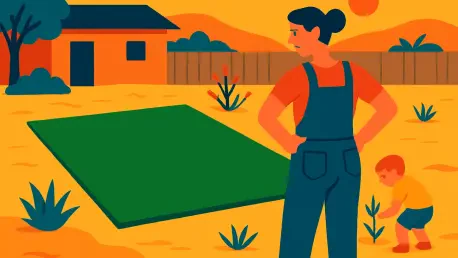

Imagine stepping into your backyard on a scorching summer day, expecting a cool, inviting lawn, only to be met with a surface so hot it could blister skin, emitting a faint chemical odor that lingers in the air. This unsettling scenario is a reality for some who choose artificial turf over natural grass, a choice one new homeowner recently considered to address excessive concrete hardscaping in their yard. Seeking advice from an online community, the homeowner hoped for a low-maintenance fix but instead encountered a wave of criticism and cautionary tales about synthetic grass. From environmental damage to health hazards, the feedback painted a grim picture of artificial turf as a landscaping solution. What started as a simple query spiraled into a broader conversation about sustainability, safety, and the true cost of convenience in home design. This discussion offers a compelling look into why so many are turning away from fake lawns in favor of greener, more natural alternatives.
Unveiling the Downsides of Synthetic Grass
Environmental Impact and Ecosystem Loss
The allure of artificial turf often lies in its promise of a pristine, low-maintenance yard, but the environmental toll it takes tells a different story. Critics in the online community were quick to point out that synthetic grass contributes significantly to landfill waste, as it isn’t biodegradable and can’t be repurposed like natural grass clippings, which enrich soil as compost. Moreover, fake turf fails to support local ecosystems in any meaningful way. Unlike real lawns or native plants, it offers no habitat for pollinators like bees and butterflies, nor does it absorb carbon dioxide or release oxygen. This absence of ecological benefit stands in stark contrast to natural landscaping, which fosters biodiversity. The homeowner was warned that opting for artificial turf could mean turning their yard into a sterile patch of plastic, devoid of life and disconnected from nature’s rhythms, a decision that could haunt future efforts to create a sustainable outdoor space.
Beyond the loss of ecological value, artificial turf poses additional environmental hazards that compound its unsuitability. One major concern raised was the release of microplastics into the soil and water systems over time as the material degrades. These tiny fragments can harm wildlife and pollute groundwater, creating long-term issues far beyond the homeowner’s property line. Additionally, the heat retention of synthetic grass—often 40 to 70 degrees Fahrenheit hotter than natural lawns on sunny days—exacerbates urban heat islands, making outdoor spaces unbearable and increasing cooling costs for nearby homes. This feedback highlighted a harsh reality: what seems like a convenient fix can instead amplify environmental degradation. The community urged a rethink, emphasizing that even small patches of real grass or native plants could mitigate these effects, offering a cooling, life-supporting alternative to an otherwise lifeless yard.
Health Hazards and Practical Drawbacks
Another layer of concern centers on the health risks tied to artificial turf, a point driven home by the community’s stark warnings. The material is known to leach harmful substances, including volatile organic compounds (VOCs), neurotoxins, and even carcinogenic elements, often referred to as “forever chemicals.” These can pose risks not just to humans but to pets as well, especially in a yard frequented by a dog, as was the case for this homeowner. The synthetic surface can also trap odors from pet waste or food spills, creating an unpleasant environment over time. Such issues strip away the perceived benefit of low maintenance, replacing it with new, insidious problems. The discussion revealed that what might save time on mowing could cost dearly in terms of safety and comfort, pushing the homeowner to reconsider whether the trade-off was truly worth it.
In addition to health concerns, practical challenges further undermine the case for artificial turf. High upfront installation costs were flagged as a deterrent, especially when weighed against the lack of long-term value. Unlike natural landscaping, which can boost property worth by 5.5% to 14% through thoughtful design with native plants, synthetic grass offers no such return on investment. Maintenance may be reduced, but issues like poor drainage—especially problematic in rainy winters—can lead to pooling water and exacerbate flooding risks. For a homeowner already frustrated with muddy natural lawns in wet seasons, this was a bitter pill to swallow. The community stressed that artificial turf often amplifies rather than solves such problems, leaving yards both unappealing and hazardous. These insights painted a vivid picture of a solution that falls short on nearly every front, from safety to functionality.
Exploring Sustainable Alternatives
Embracing Natural Lawns and Native Plants
Turning away from synthetic options, the community passionately advocated for natural lawns and eco-friendly landscaping as the smarter path forward. Real grass, while requiring some upkeep, brings a host of benefits that fake turf simply can’t match. It cools the surrounding air, supports pollinators, and integrates with the environment in a way that enhances rather than detracts from it. For the homeowner worried about mud during wet months, suggestions like improved soil drainage or designated gravel paths for pets were floated as practical fixes. Moreover, planting drought-resistant native species was highlighted as a way to cut down on water use and mowing while still maintaining a vibrant yard. These alternatives were framed not as burdens but as investments in a healthier, more beautiful outdoor space that aligns with nature’s balance and offers lasting satisfaction.
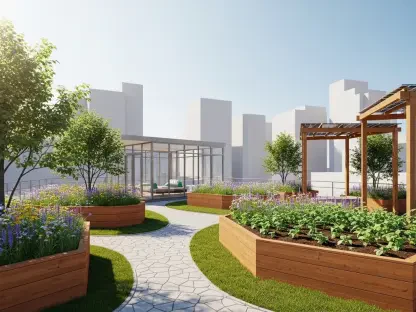
Expanding on this idea, the use of native plants in creative configurations emerged as a standout recommendation. Incorporating potted plants on existing concrete areas or creating small rain gardens to manage water runoff were seen as both functional and visually appealing options. These solutions address the homeowner’s concern about excessive hardscaping by softening the landscape with greenery that thrives in local conditions. Such approaches, often inspired by xeriscaping principles, minimize resource use while maximizing aesthetic impact. The community emphasized that even partial changes—like removing small sections of concrete for soil and mulch—could transform the yard into a haven for biodiversity. This perspective shifted the narrative from one of limitation to opportunity, showcasing how sustainable choices can harmonize personal needs with environmental responsibility in a way artificial turf never could.
Small Steps Toward Big Change
The push for sustainable landscaping didn’t stop at grand ideas; it included actionable, smaller steps that could make a big difference over time. Community members encouraged the homeowner to start with incremental upgrades, such as seeding native wildflowers in confined areas or adding mulch to bare spots to prep for future planting. These modest efforts were described as gateways to larger transformations, proving that a full yard overhaul isn’t necessary to begin reaping ecological benefits. The focus was on progress over perfection, with an eye toward reducing the environmental footprint one patch of earth at a time. This advice resonated as a reminder that every choice, no matter how small, contributes to a larger movement of prioritizing the planet in personal spaces.
Furthermore, the long-term advantages of these small changes were underscored as a compelling reason to ditch artificial turf for good. Even minimal additions of natural elements were shown to lower maintenance costs over time, reduce water bills, and enhance curb appeal—all while supporting local wildlife. The contrast with synthetic grass, which offers none of these perks and instead burdens owners with health risks and ecological harm, was striking. Discussions also touched on how such upgrades could inspire neighbors to follow suit, creating a ripple effect of greener, healthier communities. Reflecting on the homeowner’s initial dilemma, the community’s guidance pointed to a clear path: start small, think sustainably, and build a yard that serves both personal comfort and the greater good. This approach framed landscaping as a journey of meaningful, attainable improvement.
Reflecting on Greener Choices
Looking back on the spirited exchange of ideas, it became evident that the warnings against artificial turf carried weight through lived experiences and researched risks that had shaped community opinions. The health hazards, environmental damage, and practical shortcomings of synthetic grass had been thoroughly dissected, leaving little room for doubt about its downsides. Yet, what stood out most from the past dialogue was the collective pivot toward hope through sustainable alternatives. Natural lawns and native plants had emerged as champions of both beauty and responsibility. For homeowners standing at a similar crossroads, the lesson was clear: explore eco-friendly options first. Researching local species, consulting with landscaping experts, and starting with small, manageable projects can pave the way to a yard that thrives in harmony with nature. These steps not only address immediate concerns like mud or maintenance but also contribute to a healthier planet for years to come.