The transformation of once-vacant lots into vibrant residential hubs is marking a significant milestone in the revitalization of Atlanta’s historic English Avenue neighborhood with the completion of two new infill housing developments. Spearheaded by the nonprofit Westside Future Fund (WFF), these projects at 646 Echo St. and 839 Joseph E. Boone Boulevard are introducing a total of 57 income-restricted apartments to the community. Designed with a thoughtful, vintage-style aesthetic to complement the area’s established character, the properties are now officially open for leasing. With ribbon-cutting ceremonies scheduled for the upcoming week, the developments represent a tangible step toward providing high-quality, contemporary, and walkable housing options for local individuals and families. The initiative not only addresses a critical need for affordable housing but also activates underutilized land, weaving new life into the urban fabric while respecting its deep historical roots and aiming to support the existing community.
Strategic Community-Centric Design
The larger of the two new buildings, located at 839 Joseph E. Boone Boulevard, exemplifies a modern approach to integrated urban living through its mixed-use design. This structure features 33 apartments, offering a diverse range of floor plans from studios to spacious three-bedroom units, catering to various household sizes and needs. Crucially, the ground floor incorporates three dedicated retail spaces, totaling 1,200 square feet, which are poised to attract local businesses and provide convenient amenities for residents. The development’s strategic placement was a key consideration, positioning its inhabitants within easy walking distance of major community assets, including the expansive greenery of Rodney Cook Sr. Park, the popular Westside Beltline Connector for recreation and transit, and the burgeoning Echo Street West district. This focus on walkability and proximity to essential services is designed to foster a connected and sustainable lifestyle, reducing reliance on vehicles and promoting a stronger sense of community engagement and neighborhood vitality.
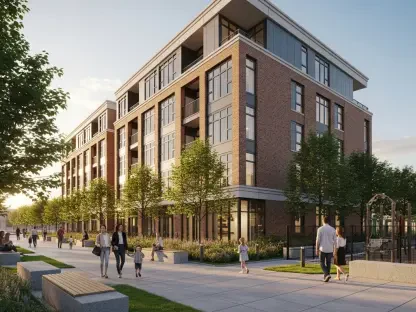
The second development, situated at 646 Echo St., contributes an additional 24 modern residential units to the neighborhood, further advancing the mission of providing accessible and quality housing. This property features a mix of studios as well as one and two-bedroom apartments, with a notable inclusion of ADA-accessible options to ensure it can accommodate residents with diverse mobility needs. The design, envisioned by Kronberg Urbanists + Architects, was meticulously crafted to harmonize with the existing architectural landscape of English Avenue. By embracing a vintage-style aesthetic, the building avoids the stark contrast often associated with new construction, instead paying homage to the area’s heritage. This infill project successfully converts a previously vacant lot into a valuable community asset, demonstrating a thoughtful approach to urban development that prioritizes both aesthetic coherence and the practical need for affordable, well-located homes that serve the community directly.
Fostering an Inclusive Future
Both properties operate under WFF’s comprehensive “Home on the Westside” program, a framework designed to ensure long-term affordability and community stability. The 57 new apartments are exclusively reserved for residents whose earnings fall between 30% and 80% of the area median income (AMI), a range that targets a critical need within the city’s housing market. Going beyond standard income qualifications, the leasing process incorporates a deliberate and impactful prioritization system. This policy gives preference to legacy residents of the neighborhood, ensuring that those who have been part of the community for generations are not priced out by new development. It also extends priority to individuals seeking to return to English Avenue and those who can demonstrate strong existing ties to the area. This community-centric approach is a direct strategy to counteract the displacement pressures often associated with urban revitalization, preserving the unique social fabric and cultural identity of the neighborhood for the long term.
The successful completion of these two developments was made possible through a strategic and collaborative funding model. A significant grant from the Robert W. Woodruff Foundation provided the foundational financial support, which was complemented by additional capital from Invest Atlanta and WFF’s own Impact Fund. This multi-source financial structure underscored a shared commitment among Atlanta’s civic and philanthropic leaders to address the affordable housing crisis. To ensure accountability and adherence to its core mission, rental rates for all 57 units were aligned with Invest Atlanta’s established allowable rent guidelines for affordable housing. This partnership-driven approach not only brought the projects from concept to reality but also established a replicable financial framework that balanced community-focused goals with fiscal sustainability, offering a powerful example of how targeted investment could yield tangible benefits for legacy residents and the neighborhood at large.