
As the winter chill settles over Wisconsin this December, a different kind of energy is heating up the state’s public infrastructure landscape with two transformative building projects hitting the bidding stage. Overseen by the University of Wisconsin-Stout (UW-Stout) and the Wisconsin Department of Health Services (DHS), these initiatives carry a combined price tag exceeding $76 million, drawn from the state’s recently approved capital budget for the coming years. Both projects target facilities dating back to the 1960s, aiming to overhaul outdated designs with modern, functional spaces that meet today’s standards. Far from mere renovations, these efforts signal a bold commitment to enhancing community life—whether for students craving better campus amenities or patients needing improved health services. For contractors and stakeholders, this moment offers a chance to play a pivotal role in reshaping public spaces for generations to come, making it a compelling story of progress worth following closely.
Revamping Campus Life at UW-Stout
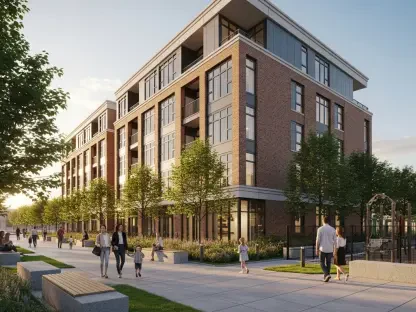
At UW-Stout, an ambitious project to transform the aging Recreation Complex is capturing attention with a budget surpassing $31.7 million, bolstered by an impressive $7.3 million in private contributions, including a standout $5 million gift from alums Dallas and Edye Pankowski. The vision is to breathe new life into the 1963 Sports and Fitness Center by converting a long-decommissioned pool into a versatile multi-purpose gym, alongside adding over 11,750 square feet of fresh space. Renovations spanning nearly 27,658 square feet will introduce cutting-edge strength training areas, cardio zones, updated locker rooms, and even outdoor features like a fitness patio. Slated to potentially kick off in 2026 and wrap up by 2027, this overhaul isn’t just about bricks and mortar—it’s about elevating the university’s standing among peers and giving students a facility that matches their dynamic needs.
Moreover, the funding model for this project at UW-Stout showcases a smart blend of state support and private generosity, setting a potential blueprint for future initiatives across Wisconsin. Beyond the numbers, the upgrades aim to foster a vibrant campus culture where fitness and recreation play central roles in student life. Imagine a space where athletes and casual exercisers alike can thrive, supported by modern amenities that rival those at top-tier institutions. This isn’t merely a facelift; it’s a strategic move to make the campus a more attractive destination for current and prospective students. As bids open this month, contractors have a unique opportunity to contribute to a project that promises lasting impact on the university community, aligning old infrastructure with the expectations of a new era.
Upgrading Health Services with DHS in Madison
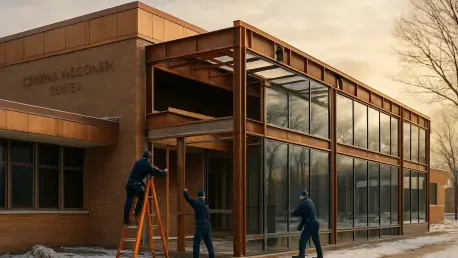
Shifting focus to Madison, the DHS is spearheading a critical upgrade to the food service building at the Central Wisconsin Center, a facility serving over 200 patients and staff with developmental and intellectual disabilities, backed by a hefty budget of over $44.6 million. This project tackles a 1960s-era structure with a comprehensive renovation of its 47,000-square-foot space, coupled with two new additions totaling 9,800 square feet. Key enhancements include a state-of-the-art production kitchen, better staff access points, and revamped building systems—all designed to streamline operations without disrupting essential services. The emphasis here is clear: create a safer, more efficient environment tailored to the unique needs of a vulnerable population.
In contrast to typical construction challenges, this DHS initiative prioritizes continuity, ensuring that meal preparation and delivery for patients remain uninterrupted during the overhaul. The thoughtful integration of features like below-grade loading docks and modernized staff areas reflects a deep understanding of the facility’s role in daily care. It’s a project that goes beyond physical upgrades, aiming to enhance the quality of life for those who rely on these services every day. With such a significant investment, the state demonstrates a firm resolve to address specialized infrastructure needs in health settings. As bidding closes soon, this effort stands as a testament to how targeted renovations can make a profound difference in public health delivery, inviting skilled teams to join in this meaningful transformation.
A Broader Vision for Wisconsin’s Infrastructure
Across the state, these two projects are emblematic of a larger push to rejuvenate public facilities, as evidenced by their inclusion in the capital budget alongside approvals for other agencies like the Department of Corrections. State officials, backed by Governor Tony Evers, have rallied around the urgent need to update aging structures, ensuring they meet modern standards for safety, accessibility, and functionality. This isn’t just a scattered effort but a coordinated strategy to improve service delivery in diverse settings—from university campuses to health centers. The consensus among leaders is unmistakable: strategic investments in infrastructure are vital for keeping Wisconsin competitive and responsive to community demands in an evolving world.
Furthermore, the scale of funding and planning behind these initiatives points to a proactive mindset that prioritizes long-term benefits over short-term fixes. While one project enhances recreational and educational spaces for students, the other focuses on critical health services for those with specific needs, yet both share a common goal of turning outdated facilities into assets for future use. This dual approach highlights the state’s knack for balancing varied priorities under a unified vision of progress. As these projects move forward with bids due mid-month, they underscore a pivotal moment for Wisconsin to redefine its public spaces, setting a standard for how aging infrastructure can be reimagined to serve contemporary society effectively.
Building Tomorrow’s Communities Today
Reflecting on the journey so far, the strides taken in December through these bidding opportunities marked a significant chapter in Wisconsin’s infrastructure story. The meticulous planning and substantial investments poured into the UW-Stout Recreation Complex and the DHS food service building at Central Wisconsin Center demonstrated a clear intent to address past shortcomings with innovative solutions. Looking ahead, the completion of such projects could inspire similar upgrades statewide, encouraging a ripple effect of modernization. Stakeholders and contractors who engaged in these initiatives were part of a foundational effort to enhance community well-being, proving that thoughtful capital projects can bridge the gap between yesterday’s limitations and tomorrow’s possibilities.