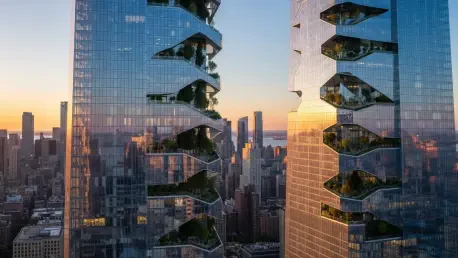

The skyline of Lower Manhattan is currently on the verge of its final, transformative evolution as the remaining gap in a historic landscape begins to fill. American Express has officially selected Turner Construction to spearhead the development of its new global headquarters at 2 World Trade Center, marking a monumental milestone in New York City’s urban recovery. This project is more than just a corporate relocation; it represents the completion of the World Trade Center campus, a process decades in the making. By anchoring the final commercial tower at this historic site, the financial services giant is signaling a profound vote of confidence in the future of the city’s financial district. This analysis explores how this massive undertaking will reshape the local economy, the architectural landscape, and the long-term vitality of Downtown Manhattan.
The Long Journey: Rebuilding a Global Hub
Understanding the significance of 2 World Trade Center requires looking back at the long and complex history of the site’s redevelopment. For over twenty years, the vacant “Tower 2” plot has remained a missing piece in the puzzle of the 16-acre World Trade Center campus. While surrounding towers and the transit hub flourished, the final skyscraper faced various delays and design shifts that left a void in the architectural harmony of the district.
The decision by American Express to move from its long-time home at 200 Vesey Street—where it has resided since 1986—to this new state-of-the-art facility bridges the gap between the neighborhood’s storied past and its modern ambitions. This transition underscores a broader market shift from legacy office spaces to high-performance, integrated environments that meet the demands of a contemporary workforce. By committing to this site, the company is effectively validating the district’s transition into a more resilient and versatile commercial center.
The Catalyst: Economic and Structural Growth
Architectural Innovation: Human-Centric Design
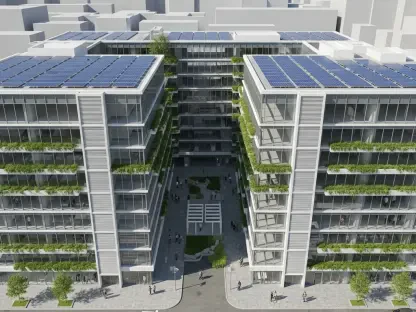
The design of the 55-story skyscraper, crafted by the renowned firm Foster + Partners, represents a shift in how corporate environments are conceived in a post-pandemic world. Spanning nearly 2 million square feet, the building will prioritize wellness and collaboration, moving away from the rigid cubicle structures of the past. A standout feature is the inclusion of over an acre of outdoor space, distributed across multiple gardens and terraces that spiral up the tower.
This emphasis on green space and modern aesthetics is not just for show; it is a strategic move to attract and retain top-tier talent in an era where the quality of the workplace is a primary factor in employee satisfaction. The building is designed to function as a vertical campus, integrating natural light and airiness into a high-density urban environment. Such features are becoming the gold standard for Grade-A office space, setting a high bar for future developments in the area.
A Financial Engine: Boosting the Local Economy
The economic ripple effects of this development are staggering according to current projections. State and city officials estimate that the project will generate approximately $5.9 billion for New York City’s economy and $6.3 billion for the state overall through the end of the decade. This influx of capital is facilitated through a complex partnership between American Express, Silverstein Properties, and the Port Authority of New York and New Jersey.
By securing a long-term ground lease, the project ensures that the financial benefits of the site’s development are woven into the city’s fiscal framework for decades to come. This reinforces Lower Manhattan’s position as a premier global hub for commerce, providing a stable tax base and fostering a climate of investment that encourages other institutions to maintain their presence in the city core.
Strengthening the Market: Labor and Workforce Stability
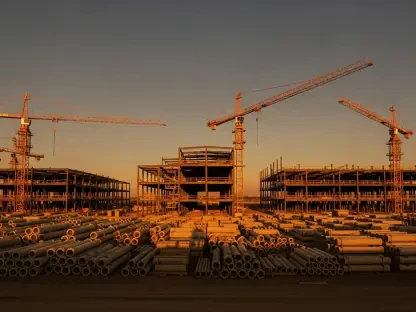
A central theme of the 2 World Trade Center project is its commitment to organized labor and the local job market. The construction phase is expected to create thousands of high-paying union jobs, providing a significant boost to the regional workforce. This includes opportunities for electricians, carpenters, laborers, and various other trades, ensuring that the development supports the local middle class.
By prioritizing union contracts, the development fosters a stable labor environment, ensuring that the wealth generated by large-scale corporate investments is shared with the people who physically build the city’s future. This approach not only ensures high-quality craftsmanship but also strengthens the social fabric of the city by providing reliable, well-compensated employment throughout the multi-year construction timeline.
Predicting the Future: The Urban Landscape Toward 2031
As the project moves toward its projected completion in 2031, the finalized World Trade Center campus will likely trigger a broader revitalization of the surrounding area. The integration of high-end office space with world-class transit and retail amenities will draw more auxiliary businesses, from luxury hospitality to tech startups, into the Lower Manhattan orbit. This synergy creates a “live-work-play” environment that is increasingly necessary for urban centers to remain competitive.
Furthermore, the shift toward sustainable and tech-integrated infrastructure within the building sets a new benchmark for environmental responsibility. We can expect a continued trend where corporate headquarters are not just places of work, but ecosystems that contribute to the public realm and urban innovation. The completion of this tower effectively ends the “rebuilding” phase of Downtown and starts a new chapter of expansion and modernization.
Strategic Insights: Navigating a Shifting Environment
The move by American Express provides a blueprint for other legacy corporations looking to modernize their physical footprint. To remain competitive, businesses should consider how their office environments reflect their brand values and operational needs. Key takeaways from this development include the importance of public-private partnerships in executing large-scale projects and the necessity of investing in “destination” offices that offer more than just a desk.
For city planners and investors, the lesson is clear: long-term economic stability is achieved by creating multipurpose environments that blend commerce with lifestyle and sustainability. Corporations that fail to adapt their real estate strategies to the expectations of a modern workforce may find themselves struggling to compete with the amenities offered by state-of-the-art facilities like 2 World Trade Center.
Reinforcing the Legacy of Lower Manhattan
The development of 2 World Trade Center functioned as a definitive statement on the resilience of the New York real estate market. By filling the final void in the campus, American Express and its partners did more than just construct a building; they completed a vision of renewal and strength. This project ensured that Lower Manhattan remained a focal point of global finance while adapting to the modern needs of workers and the community. As the skyline reached its finished state, the city successfully demonstrated how to bridge the gap between historic significance and future-proof innovation, securing its status as a leader in urban development for the next generation. This success suggested that high-density office hubs could survive and thrive by evolving into integrated, wellness-oriented environments.