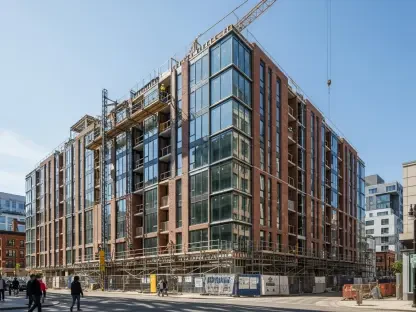

A monumental urban transformation is on the horizon for Arlington, Virginia, as plans for the “Potomac Overlook” megaproject come into focus. The proposal, spearheaded by Quadrangle Development Corp., outlines a massive mixed-use, transit-oriented community on a prime 5.5-acre waterfront site that serves as a critical gateway between Washington, D.C., and Arlington. This article will dissect the ambitious plan, exploring its potential to redefine Rosslyn’s skyline and public realm. We will analyze the project’s core components, from its architectural vision to its community integration strategy, and examine the market forces and key stakeholders driving this pivotal redevelopment forward. The central question remains: can this project successfully balance high-density living with accessible public space to create a truly transformative waterfront experience?
From Landmark Hotel to Blank Canvas
To understand the significance of Potomac Overlook, one must look at the history of its location. For decades, this site was home to the iconic Key Bridge Marriott, a landmark that was demolished in 2025, leaving a valuable but dormant piece of real estate. Now a vacant lot assessed at $47.5 million, the property represents a rare opportunity for large-scale placemaking in a mature urban corridor. The project’s timing is no coincidence; it is a direct response to powerful market dynamics. Arlington has seen consistent residential growth coupled with a constrained supply of new housing, creating intense demand that a project of this scale aims to address. This strategic redevelopment seeks to convert a symbol of the past into a vibrant hub for the future, leveraging its unparalleled location to meet the region’s pressing need for urban housing.
Deconstructing the Potomac Overlook Blueprint
Architecture and Density Reshaping the Skyline
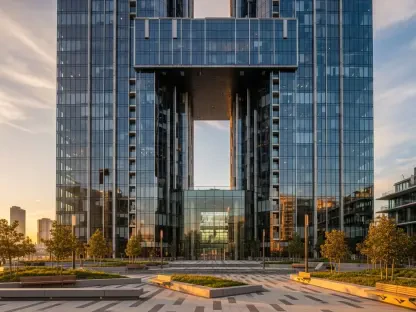
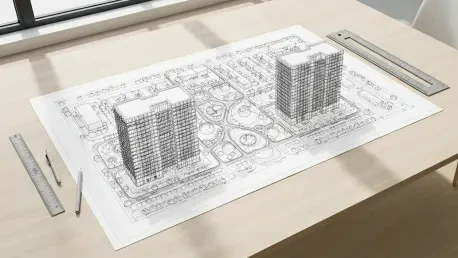
At the heart of the Potomac Overlook proposal is a significant increase in residential density designed to reshape Rosslyn’s housing landscape. The plan calls for 1,775 apartment units distributed across five separate buildings, complemented by a 200-key hotel. This infusion of housing stock is a direct answer to the area’s supply shortage. Architecturally, the project’s design by DCS Design strategically employs slender towers. This approach is not merely aesthetic; it is a functional choice aimed at preserving and maximizing public view corridors toward the Potomac River and iconic D.C. landmarks like the U.S. Capitol. This design philosophy aligns with a modern urban planning consensus that dense developments in scenic locations must prioritize public benefit and visual access, integrating new structures into the existing visual fabric rather than dominating it.
Public Realm and Connectivity a Waterfront for All
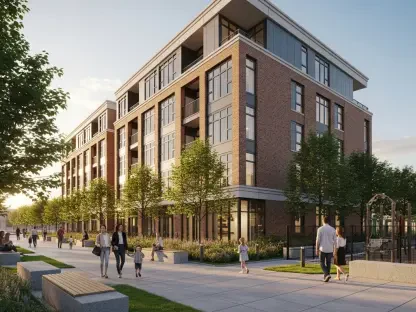
Beyond the buildings themselves, a core tenet of the Potomac Overlook vision is the creation of a vibrant and accessible public realm. A key design choice is placing all parking entirely underground, a costly but critical move that frees up the entire ground level for a network of green spaces. These publicly accessible areas are designed to be active and engaging, featuring seating, curated landscaping, public art, and integrated bike and walking paths. A major benefit of this layout is its planned connection to the regional multiuse Custis Trail and the adjacent Gateway Park, weaving the new development into the area’s existing recreational infrastructure. The stated vision is to activate an exceptional property and invite the public to enjoy its unique waterfront views, signaling an intent to transform a private parcel into a shared community asset.
Stakeholders and Strategy The Team Behind the Transformation
The development of Potomac Overlook is a complex undertaking driven by a collaboration of specialized entities. While Quadrangle Development Corp. is leading the charge, it is operating as a development consultant on behalf of the lender, Claros Mortgage Trust, which holds the defaulted mortgage debt on the land. This financial structure adds a unique layer to the project’s dynamics. The broader team includes architect DCS Design, civil engineer Vika Virginia, and the land use law firm Walsh, Colucci, Lubeley & Walsh, each bringing critical expertise to the table. As of late 2025, zoning applications have been officially filed and are progressing through Arlington County’s rigorous review process, a critical hurdle that will determine the project’s final form and timeline. Understanding this complex web of stakeholders is essential to grasping the project’s path from concept to reality.
The Future Trajectory of Rosslyns Waterfront
The Potomac Overlook project is a bellwether for emerging trends in urban development, particularly the push for high-density, transit-oriented communities that blend living, hospitality, and public amenities. If approved and built as envisioned, its economic impact on Arlington County would be substantial, expanding the tax base and creating a new center of gravity for retail and residential life. However, its success will also depend on how well the surrounding infrastructure can absorb thousands of new residents. The project could set a new standard for waterfront redevelopment in the D.C. metropolitan area, demonstrating a model where private investment is leveraged to create significant public benefits. Its evolution will be closely watched by planners and developers as a case study in 21st-century urbanism.
Strategic Takeaways and Key Considerations
The analysis of the Potomac Overlook proposal yields several major takeaways. First, the project represents a massive injection of housing supply into a tight market, directly addressing regional needs. Second, its design prioritizes public access and green space, signaling a shift toward more community-integrated private developments. Finally, its location makes it an economic and symbolic catalyst for Rosslyn’s evolution. For local residents, the key will be to engage actively in the county’s review process to ensure community concerns are addressed. For Arlington County officials, the challenge is to balance the benefits of density with the imperative to manage traffic and support infrastructure. This project serves as a powerful example of how to unlock the potential of underutilized urban land through ambitious, mixed-use planning.
A New Chapter or an Uncertain Future
The Potomac Overlook megaproject stood as a bold and transformative vision for one of the region’s most prominent waterfront parcels. More than just a collection of buildings, it was a comprehensive urban placemaking initiative designed to reshape Rosslyn’s identity from a primarily commercial district into a dynamic, livable community. Its long-term significance hinged on its ability to successfully integrate thousands of new residents while delivering on its promise of an open, accessible, and vibrant public realm. As the plans moved forward, the project posed a thought-provoking question for the future of urban development: could a single megaproject truly craft a new community identity and deliver a waterfront for all?