
With a career spanning decades in construction and a keen eye for architectural innovation, Luca Calaraili has witnessed firsthand the cycles of ambition and frustration within the UK housing sector. Today, he joins us to dissect the stark findings of a recent survey of public servants, which casts serious doubt on the government’s flagship target of building 1.5 million new homes. We’ll explore the deep-seated pessimism felt on the front lines, digging into the critical barriers of funding and land availability that are stalling progress. The conversation will also touch on the pragmatic realities of site selection, contrasting brownfield remediation with green belt development, and the strategic divide between refurbishing existing stock and the push for new builds. Finally, we’ll examine the overwhelming consensus on the need for collaboration to build not just houses, but entire communities supported by robust infrastructure.
With less than 1% of public servants believing the 1.5 million new homes target is achievable under current policy, what specific, immediate changes would be most impactful, and how would they address the core issues on the ground?
The number is shocking, isn’t it? Less than 1%. It’s a clear signal that the people tasked with delivery feel completely hamstrung. The most immediate change needed is a fundamental overhaul of funding models. We’re hearing from 60% of these professionals that funding is insufficient. This isn’t just about more money; it’s about making it flexible and long-term, so local authorities can plan with confidence beyond a single political cycle. Secondly, we must reform the way land is brought to market. The current adversarial system, where developers’ profit expectations clash with public value, creates a bottleneck before a single brick is laid. A more collaborative contract model, where risk and reward are shared, would immediately begin to unblock these stalled conversations.
Given that 60% of public servants find housing project funding insufficient, what do more flexible, long-term funding models look like in practice? Please provide an example of how such a model could unlock a stalled development project.
A more flexible model moves away from rigid, short-term grants to more dynamic public-private partnerships. Imagine a large brownfield site in a former industrial town, a project that has been stalled for years because the upfront remediation costs are astronomical and no private developer will take on that initial risk alone. A flexible, long-term model would see a public body, like a local authority, partner with a developer from day one. The public sector could fund the initial land cleanup and infrastructure works through long-term, low-interest borrowing, de-risking the project. In return, the developer commits to a certain percentage of affordable homes and shares the profits from market-rate sales with the authority over the 10- or 15-year life of the project. This patient, shared-risk approach makes the unviable viable and ensures public value is captured, not just private profit.
Developer profit expectations and land availability are cited as major barriers. How does the traditional contract model for land sales and delivery worsen this tension, and what are the first practical steps toward a more collaborative model that aligns public and private interests?
The traditional model is inherently confrontational. The public sector sells a piece of land, and the developer’s primary goal is then to maximize profit from that site, which often means pushing back on affordable housing quotas or community infrastructure contributions. It creates a dynamic where public objectives and private interests are seen as a zero-sum game. This misalignment is precisely what feeds into the community opposition we see so often. The first practical step toward collaboration is early engagement. Instead of a simple land sale, a public body can use a framework that brings developers in at the concept stage. They work together to design a master plan that balances public value—like parks, a new clinic, and affordable homes—with commercial viability. This builds trust and shared ownership of the project’s success, turning it from a transaction into a true partnership.
Many housing professionals favor a balanced use of brownfield and green belt sites over a “brownfield first” approach. What key trade-offs are they weighing, and what support is needed to overcome the high remediation costs that often make brownfield development unviable?
The professionals on the ground are pragmatic. While the “brownfield first” ideology is appealing—it revitalizes derelict areas and protects the countryside—the reality is a difficult balancing act. The key trade-off is viability versus ideology. A brownfield site might be perfectly located near existing transport and jobs, but if the cost of decontaminating the soil is crippling, the project simply won’t happen. That’s why 54% are calling for a balanced approach. To make more brownfield sites viable, we need targeted government support. This means more than just grants; it could be tax incentives for remediation, streamlined planning processes for these complex sites, and public bodies taking a more active role in preparing the land before it goes to market. This support would level the playing field, allowing the inherent benefits of brownfield sites to shine through without developers being scared off by the initial cleanup bill.
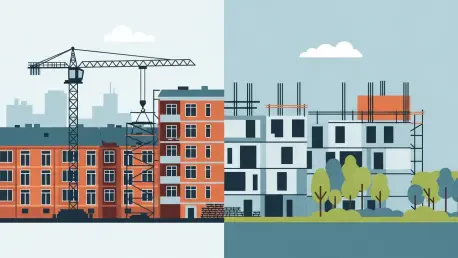
There’s a clear strategic split, with housing associations prioritizing refurbishment and local government focusing on new builds. How can these two essential goals be better integrated to ensure we create thriving communities, not just housing units?
This strategic split is understandable but ultimately counterproductive. Housing associations are on the hook for the quality and safety of their existing stock, especially with new regulations like Awaab’s Law making this a critical priority. Local governments, on the other hand, are judged by their new housing numbers. To integrate these goals, we need to think at a community level, not a project level. A successful placemaking strategy would see a local authority and housing association work together on a neighborhood-wide plan. For instance, the plan could involve the authority enabling a new development of family homes on a nearby site, while the housing association uses the income from that partnership to fund the deep refurbishment of its existing tower blocks in the same area. This integrated approach ensures we aren’t just building new units on the edge of town while the existing heart of a community decays. It’s about creating a thriving place where both new and existing residents benefit.
An overwhelming 79% of respondents see collaboration as essential for building infrastructure alongside new homes. Can you share a step-by-step example of how effective collaboration between public bodies ensures a new development is supported by adequate schools, transport, and healthcare?
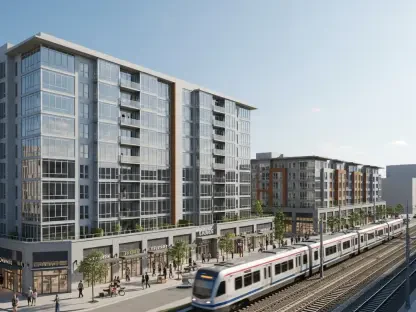
Effective collaboration has to start before any designs are drawn up. Let’s take a proposed development of 500 new homes. Step one is the local planning authority convening a “placemaking roundtable” from the very beginning. They wouldn’t just invite the developer; they’d bring in the local education authority, the regional NHS trust, and the transport authority. Step two involves joint data analysis: How many new school places will be needed? What is the capacity at the local GP surgery? Can the nearby junction handle the increased traffic? Step three is creating an integrated infrastructure plan and, crucially, a funding agreement. The developer’s contributions are pooled with public funds in a transparent way, ensuring a new primary school is built and a new bus route is established as the homes are being occupied, not five years later. It’s a proactive, partnership-driven process that treats schools and roads as being just as important as the houses themselves.
What is your forecast for the UK housing sector over the next five years?
My forecast is one of cautious, necessary change. The pessimism reflected in this survey is a powerful catalyst. The next five years will be defined by a painful but essential move away from simplistic targets and toward more sophisticated, collaborative models of delivery. We will see a greater focus on placemaking and the integration of social infrastructure, driven by public pressure and the clear evidence that building houses in isolation doesn’t work. While the 1.5 million target will likely be missed, I believe the sector will make significant strides in building the right kind of homes in the right places, supported by the right infrastructure. Success won’t be measured by raw numbers alone, but by the resilience and quality of the communities we create. It will be challenging, but the appetite for a better way of doing things is palpable.