
After a nearly three-year period of welcome stability that allowed the construction industry to catch its breath, a new wave of material cost inflation is beginning to crest, creating significant uncertainty for projects nationwide. A notable price increase that began in the latter half of 2025 has continued its upward trajectory into the current year, marking a decisive end to the post-pandemic cooldown. According to a recent analysis of construction costs, this emerging inflationary trend is being driven almost entirely by the rising expense of materials rather than labor, presenting a different set of challenges for contractors and developers. The overarching data reveals that nonresidential input prices, which have already climbed a staggering 44.5% since 2020, are on the move again. This recent rally has been powerful enough to reverse a multi-year decline in the inflation-adjusted historical cost index, signaling that the financial pressures on the sector are intensifying once more and forcing a strategic reevaluation of budgets and procurement timelines across the board.
The Copper and Electrical Conundrum
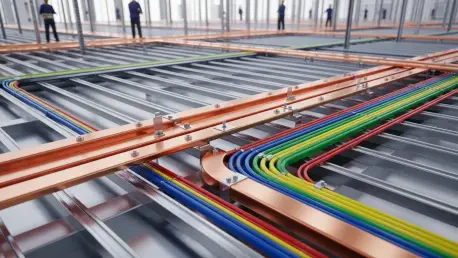
The primary engines powering this cost escalation are copper and a wide array of essential electrical components, whose demand is being supercharged by forces largely independent of traditional construction cycles. A massive, global push toward the electrification of equipment and facilities is converging with an unprecedented boom in the construction of data centers and the extensive electrical grids required to support them. This confluence has ignited an explosive demand for copper, a fundamental element in all electrical applications. The downstream effect is a sharp increase in the cost of everything from copper wire and cabling to critical equipment like transformers, switchgear, and even large-scale chillers for cooling systems. Contractors are now grappling not only with higher price tags but also with significantly longer lead times for these components, which can disrupt project schedules and create complex logistical hurdles that were less prevalent during the recent period of market calm.
This demand-side pressure is severely compounded by significant and persistent supply-side constraints that show no signs of easing. The global copper market is exceptionally tight, with China alone consuming approximately half of the world’s available supply to fuel its own industrial and technological ambitions. Exacerbating the issue is the notoriously long timeline required to bring new sources online; on average, a new copper mine takes a full 17 years to progress from discovery to operational production. This profound imbalance between soaring, tech-driven demand and inelastic, slow-moving productivity on the supply side creates a classic recipe for sustained price appreciation. Analysts widely expect copper prices to continue their upward climb, which will maintain upward pressure on the entire ecosystem of electrical components and systems, forcing project stakeholders to factor in higher costs and greater volatility for the foreseeable future.
Diverging Paths for Other Key Materials
In stark contrast to the volatility seen in the copper market, steel pricing has settled into a period of relative stability, a situation analysts describe as a “mixed bag” for the industry. This equilibrium has been achieved through what is termed “supply side discipline,” where producers have carefully managed output to align with fluctuating demand. A reduction in overall demand combined with lower volumes of imported steel has helped prevent the kind of price spikes currently afflicting other material categories. While this stability offers a degree of predictability for budgeting projects that are heavily reliant on structural steel, it may also be a harbinger of underlying weakness. The same factors contributing to price stability—namely, moderated demand—could also signal potential stagnation in certain construction sectors, suggesting that the market’s current balance is less a sign of robust health and more a reflection of cautious investment and development pipelines.
Meanwhile, concrete and masonry materials are charting their own unique and somewhat perplexing course. Despite what is described as constrained market demand for these foundational materials, the prices for key inputs such as ready-mix concrete and concrete blocks have reached their highest nominal levels since the peak of the pandemic-era inflation. This situation presents a different kind of financial puzzle for builders, where prices remain stubbornly high even in the absence of the powerful demand-side drivers seen in the electrical sector. Industry experts anticipate that these elevated price points will persist but remain largely constrained throughout 2026, creating a high but relatively stable cost floor. This dynamic requires a different strategic approach, forcing contractors to absorb consistently high costs for essential structural components without the immediate prospect of relief from either a surge in supply or a significant drop in baseline expenses.
Navigating a Fragmented Market
The dynamics observed across the construction materials market underscored a new reality for the industry. The era of broad, uniform price movements gave way to a fragmented and highly specialized landscape where each material category followed its own distinct logic of supply and demand. This required project managers and procurement specialists to abandon one-size-fits-all strategies and instead develop a more nuanced, commodity-specific approach to sourcing and budgeting. Successful navigation of this environment depended on deep market intelligence and the agility to adapt procurement timelines and project designs in response to the specific pressures affecting copper, steel, or concrete. The challenges of 2026 ultimately reshaped how the most resilient firms managed risk, fostering a greater emphasis on strategic partnerships with suppliers and more sophisticated hedging strategies to protect project viability against unforeseen volatility.