
Entering the residential real estate market in the current economic climate requires a level of fiscal precision and personal endurance that far exceeds the standards of previous generations. Prospective buyers must navigate a landscape defined by high entry costs, necessitating a shift toward unconventional living arrangements and rigorous financial planning. For many young professionals, the journey toward property ownership is no longer a linear progression from graduation to a solo apartment and then a family home; instead, it has become a multi-year strategic operation. This transition often involves a calculated return to the parental home to maximize savings potential, a move that highlights the growing gap between average wages and the capital required for a meaningful down payment. Success in this environment depends on a combination of extreme discipline and the ability to identify emerging value in suburban markets that offer a specific blend of professional connectivity and residential tranquility.
The Financial Blueprint for Modern Buyers
Establishing Stability Through Shared Living
The decision to live with parents while working full-time has become a common prerequisite for accumulating the capital necessary to secure a mortgage in 2026. This approach requires a significant adjustment in lifestyle, as individuals often sacrifice their immediate independence to ensure long-term financial security and equity growth. By eliminating the burden of monthly rent and utility payments in a competitive urban market, aspiring homeowners can redirect a substantial portion of their income toward a deposit. This period of shared living serves as a financial incubation phase, allowing buyers to build a robust credit profile while monitoring the market for the right opportunity. The dedication required to sustain this arrangement for two or more years demonstrates the level of commitment now needed to bypass the traditional rental trap. It is a pragmatic response to a housing market where the cost of entry continues to rise faster than the rate of individual savings in most metropolitan areas.
Maintaining a clear focus on the end goal is essential when navigating the social and personal challenges that arise from moving back into a parental residence during one’s late twenties. This strategy is not merely about saving money; it is about creating a financial buffer that allows for more choices when the time comes to select a permanent property. Those who successfully navigate this path often find themselves in a stronger position to negotiate and settle on homes that meet their long-term needs rather than settling for a starter property that may lack growth potential. The accumulation of a larger deposit also translates to more favorable mortgage rates, which significantly reduces the total cost of borrowing over the life of the loan. Ultimately, this sacrifice of short-term autonomy provides a foundation for a more stable and prosperous future, turning the dream of homeownership into a tangible reality through sheer persistence and meticulous financial management.
Prioritizing Equity Over Immediate Autonomy
Transitioning from a saver to a homeowner involves a fundamental shift in perspective, moving from a mindset of accumulation to one of strategic investment and asset management. In 2026, the primary motivation for many first-time buyers is the desire to stop paying rent and start building equity in a tangible asset that offers both security and potential appreciation. This transition is often marked by a rigorous evaluation of various housing developments to find one that aligns with both personal lifestyle preferences and long-term financial goals. Modern buyers are increasingly discerning, looking beyond the initial aesthetic appeal of a property to consider the reputation of the developer and the quality of the construction. They prioritize properties that offer a sense of permanence and character, rather than the dense, cookie-cutter layouts that have characterized many recent housing projects. This search for quality over quantity is a hallmark of the contemporary buyer’s journey toward stability.
The emotional and psychological shift that occurs when moving into a self-owned property after years of sacrifice is profound and serves as a validation of the hard work involved. After spending significant time in a holding pattern, the ability to finally personalize a space and establish roots in a community brings a sense of accomplishment that defines the current generation of homeowners. This milestone is often reached through a combination of personal discipline and the selection of a property that facilitates both social engagement and professional productivity. By choosing a home that caters to their specific needs—such as hosting family or working remotely—buyers ensure that their investment continues to provide value well into the future. The transition to homeownership is therefore not just a financial transaction, but a lifestyle transformation that rewards those who have remained patient and focused on their ultimate objectives in a challenging and evolving real estate market.
Geographic Strategy and Long-Term Value
Navigating the Hybrid Commute Demands
The selection of a residential location is now heavily influenced by the need to balance regional employment opportunities with the accessibility of major professional hubs. For many, this means searching for properties in well-connected towns that offer a manageable commute to cities like London or Northampton while providing a more relaxed living environment. Market Harborough and the surrounding area of Little Bowden have emerged as prime examples of locations that meet these criteria, offering rail links that reach central London in under an hour. This geographic strategy allows professionals to maintain high-level careers in the capital while enjoying the lower cost of living and increased space associated with suburban life. The ability to commute via train for part of the week while driving to regional offices on other days has become a standard requirement for the modern workforce, making proximity to transport infrastructure a critical factor.
Furthermore, the appeal of these locations extends beyond simple logistics to include the overall quality of the local community and the availability of essential amenities. Buyers are looking for neighborhoods that offer a blend of historical charm and modern convenience, where they can feel integrated into the local fabric shortly after moving in. The presence of nearby shops, green spaces, and a friendly neighborhood atmosphere adds significant value to a property, making it more than just a place to live. When a location provides both professional mobility and a high standard of personal well-being, it becomes a sustainable choice for long-term residency. This dual focus on career and lifestyle is what drives the demand for housing in specific corridors that bridge the gap between urban centers and the countryside. For the current generation of buyers, the right location is one that supports a multifaceted life without requiring a compromise on either professional ambition or domestic comfort.
Identifying Value in Architectural Integrity
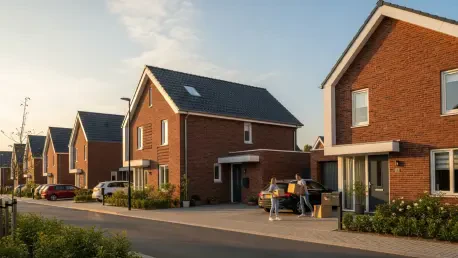
Modern homebuyers are increasingly prioritizing space and architectural character when selecting a developer, often favoring those who offer more generous site layouts and distinctive designs. In a market where many new builds can feel cramped and impersonal, developers like Davidsons Homes have gained traction by providing properties that feel more established and integrated into their surroundings. The preference for specific models, such as the “Stanbrook,” highlights a demand for open-plan living areas that facilitate social interaction and provide a sense of openness. Features like a central kitchen island and a south-facing garden are no longer seen as luxuries but as essential components of a home designed for a high quality of life. These design elements cater to a lifestyle that values both internal comfort and the ability to host friends and family in a welcoming environment, reflecting a shift in how homes are used.
The relationship between the buyer and the developer during the construction process also plays a vital role in the overall satisfaction of the first-time homeowner. Consistent communication and a transparent build schedule help to mitigate the stress associated with purchasing a property off-plan, ensuring that the final product meets the buyer’s expectations. This collaborative approach allows for a smoother transition and fosters a sense of trust that is crucial when making such a significant financial commitment. As buyers look toward the future, they seek homes that offer the flexibility to adapt to changing needs, whether that involves creating a dedicated home office or expanding a family. By choosing a property that combines thoughtful design with a reputable construction process, homeowners secure an asset that will remain relevant and desirable for years to come. The emphasis on quality and space ensures that the investment remains sound, providing a lasting foundation for a successful life in a new community.
The process of securing a first home required a synthesis of extreme financial discipline and a clear-eyed assessment of the regional property market. Aspiring owners moved back into parental residences to bypass the high costs of renting, successfully accumulating the capital needed for a substantial down payment. This strategy allowed for the selection of a property that offered both professional connectivity and high-quality architectural features, such as open-plan layouts and spacious site designs. Proximity to major transport links proved essential for maintaining career mobility, while the choice of a reputable developer ensured long-term value and personal satisfaction. Ultimately, the successful transition to homeownership was achieved by those who prioritized durability and community integration over immediate convenience. Moving forward, potential buyers should focus on identifying locations with robust infrastructure and developers who prioritize space and character to ensure their investment remains resilient. Taking these steps provided a clear path to stability and personal fulfillment in a competitive and demanding housing environment.