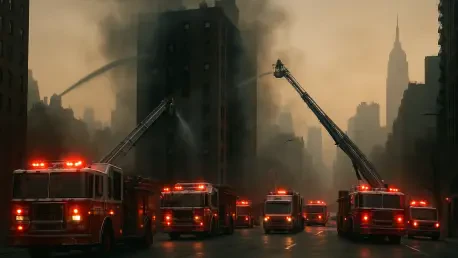

The early morning stillness of the Chelsea neighborhood was abruptly shattered when flames erupted from a six-story vacant apartment building, sending plumes of black smoke into the Manhattan skyline and triggering a massive response from emergency services. This incident, occurring on Sunday, April 12, 2026, began around 6:00 a.m. on 7th Avenue between West 22nd and 23rd streets, quickly escalating into a significant emergency that required the presence of nearly 200 fire and EMS personnel. FDNY officials reported that the blaze was heavily concentrated on the first, fifth, and sixth floors, creating a complex firefighting environment. The intensity of the heat caused extensive structural damage, making the interior floors highly unstable and forcing a tactical shift. Because the integrity of the building was compromised almost immediately, commanders determined that it was far too dangerous for firefighters to enter the premises for a traditional interior attack or primary search, leading to a defensive stance.
Structural Integrity and the Limits of Interior Firefighting
Given the severe safety risks posed by the crumbling interior, the FDNY utilized specialized tower ladders to conduct searches and apply water from the exterior. These preliminary assessments were critical in confirming that the building was likely unoccupied at the time of the ignition. While the operation successfully prevented any civilian casualties, the hazardous conditions resulted in minor injuries to two firefighters who were treated at the scene. The sheer volume of smoke and the proximity of the blaze to other structures necessitated the immediate evacuation of several neighboring residential buildings. Displaced residents noted that the emergency response was exceptionally rapid, arriving just moments after the first signs of smoke became visible through the upper windows. This situation underscores the inherent volatility of aging, vacant urban structures, where lack of maintenance often leads to accelerated fire spread and unpredictable collapses that threaten both responders and the surrounding community.
Mitigation Strategies and Future Safety Protocol
Fire marshals focused their subsequent efforts on identifying the specific ignition source, as the precise cause of the blaze remained unknown during the initial investigation. Officials maintained a constant watch over the site to monitor for lingering hotspots and to ensure the skeletal remains of the building did not pose a secondary threat to public safety. To prevent similar occurrences, the city prioritized more rigorous inspections of unoccupied properties and mandated the installation of advanced remote monitoring sensors in high-risk zones. Neighborhood associations were encouraged to report unauthorized access or signs of structural decay to local authorities more frequently. The event served as a catalyst for new legislation regarding the securing of derelict buildings in high-density areas. These measures aimed to reduce the burden on emergency services while protecting the historic architectural fabric of Manhattan. By implementing real-time surveillance and stricter property management oversight, the community sought to mitigate the risks associated with urban blight.