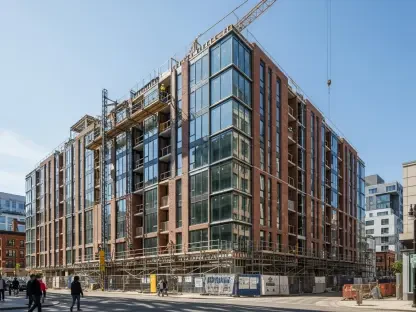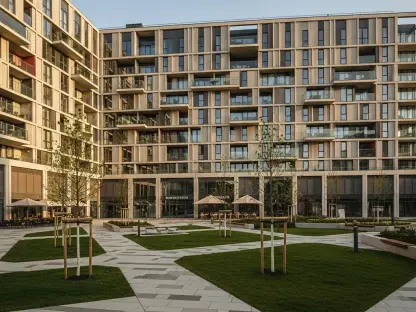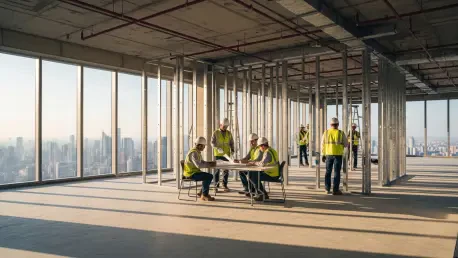

The silent halls of once-bustling corporate headquarters are currently undergoing a noisy metamorphosis as the sounds of construction replace the hum of printers. Recent data reveals that the national pipeline for converting vacant office buildings into residential apartments has climbed to an unprecedented 90,000 units, marking a significant 28% increase over the previous year. This architectural pivot is not merely a reaction to market volatility but a fundamental restructuring of the urban core. By repurposing massive glass-and-steel structures, developers are responding to a rare alignment of high commercial vacancies and a desperate need for attainable housing.
This surge represents a dramatic acceleration in the adaptive reuse sector, which has seen project volume jump nearly 300% since the onset of the current decade. As metropolitan areas struggle to redefine their purpose in an age of digital connectivity, the conversion of office space has moved from the periphery of real estate strategy to the very center. The following analysis explores the economic drivers, geographic leaders, and legislative catalysts that are turning these underutilized commercial assets into the next generation of American neighborhoods.
From Boardrooms to Bedrooms: The Evolution of Urban Real Estate
Adaptive reuse has historically been reserved for boutique projects, such as turning old brick breweries or textile mills into luxury lofts. However, the current landscape is defined by the obsolescence of “Class B” and “Class C” office buildings that no longer meet the requirements of modern corporate tenants. With national office vacancies stubbornly sitting near 20% and physical occupancy struggling to reach half of historical levels, the financial incentive to maintain these structures as workplaces has evaporated. This shift highlights a “flight to quality,” where top-tier firms consolidate into premium spaces while leaving older buildings stranded.
To avoid a prolonged period of urban decay, the real estate industry has pivoted toward the residential market to recoup lost value. This transition requires a sophisticated understanding of building anatomy, as the deep floor plates of modern skyscrapers present unique challenges for light and ventilation. Despite these hurdles, the sheer abundance of available square footage makes office buildings the most viable candidate for large-scale housing production. The evolution of the city center is now inextricably linked to how effectively these monolithic structures can be divided into livable, human-scaled environments.
Navigating the Shift: Market Dynamics and Regional Growth
The Remote Work Catalyst and the Dominance of Office Assets
The primary engine driving this record-breaking expansion is the permanent alteration of professional habits. As businesses prioritize flexibility, office buildings have become the dominant source of residential conversions, now accounting for nearly half of all future adaptive reuse projects. This sector significantly outpaces other property types, such as hotels and industrial warehouses, which contribute much smaller percentages to the pipeline. The transition toward a residential focus allows cities to recycle existing infrastructure rather than starting from scratch, which is often more sustainable than new construction.
Geographic Hotspots: Leading the Nationwide Expansion
While the trend is a national phenomenon, it is most visible in high-density hubs where the housing shortage is most acute. New York City remains the undisputed leader in this movement, with more than 16,000 units currently in development. Washington, D.C., and Chicago occupy the second and third spots, utilizing their existing stock of historic and mid-century office towers to revitalize their central business districts. Interestingly, the movement is gaining ground in the Sunbelt as well; cities like Dallas and Denver are increasingly adopting this model to accommodate their growing populations while managing commercial surplus.
Policy and Incentives: The Role of Municipal Intervention
Recognizing that the high cost of mechanical and structural overhauls can deter private investment, many local governments have introduced aggressive financial incentives. In markets like New York and D.C., tax abatement programs are designed to bridge the gap between high interest rates and project feasibility. Meanwhile, cities such as Chicago have successfully utilized tax-increment financing to stimulate large-scale redevelopments. These legislative tools are essential for ensuring that new developments include affordable housing components, preventing the downtown core from becoming an exclusive enclave for the wealthy.
The Road Ahead: Innovation and Long-Term Urban Resiliency
As the industry matures, the focus will likely shift toward streamlining the regulatory hurdles that often slow these complex projects. We can expect to see the emergence of standardized “plug-and-play” modules for kitchens and bathrooms that can be easily integrated into existing office grids. Furthermore, updated zoning laws will probably move toward “form-based” codes that prioritize a building’s impact on the streetscape rather than its specific internal use. This regulatory flexibility will be vital for maintaining a 24/7 economy where residents, not just commuters, sustain local businesses.
Predictive models suggest that the next few years will see these conversions spread into mid-sized markets where downtown vacancy has been a chronic issue. As technology improves the efficiency of these renovations, the economic viability will extend beyond the most expensive coastal cities. The long-term resiliency of the American city depends on this ability to adapt; by blending residential, commercial, and social spaces within the same district, urban planners are creating a more balanced and durable economic ecosystem.
Strategic Takeaways for Real Estate Professionals and Investors
For those navigating this shifting landscape, the data provides several clear directives for future investment. Prioritizing assets in municipalities with active tax incentive programs is essential for maximizing the internal rate of return on these capital-intensive projects. Additionally, the focus must remain on “convertibility” metrics, such as the proximity of window lines to the building core, which determines the density and quality of the residential units. Developers who can master the technical nuances of these renovations will find themselves at the forefront of a major wealth transfer from the commercial to the residential sector.
A New Blueprint for the American City
The unprecedented rise in office-to-apartment conversions demonstrated a critical turning point for urban development. By moving away from a model that separated work and life into distinct districts, cities began to foster more vibrant and sustainable environments. This strategy successfully addressed the simultaneous crises of commercial obsolescence and housing scarcity. The ability to breathe new life into underused towers ensured that metropolitan centers remained economically relevant, proving that the most successful cities of the future would be those capable of continuous reinvention.