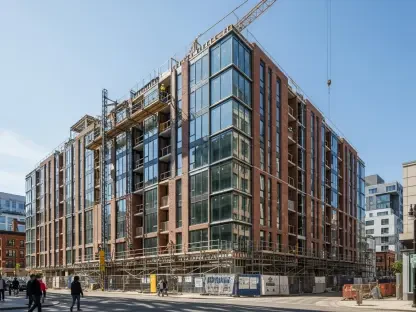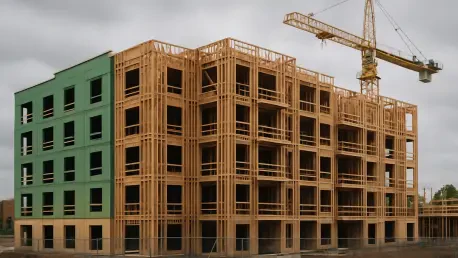

The once-feverish pace of U.S. apartment construction has slammed into a wall, with new project initiations collapsing to their lowest point in four years. The sector experienced a dramatic plunge in October that dragged down the nation’s overall housing starts, signaling a significant and abrupt shift in the market. This downturn is not a minor fluctuation but rather a reflection of deep-seated financial pressures and market saturation that have brought a post-pandemic building boom to a screeching halt. This analysis will explore the complex factors driving this slowdown, from a glut of new inventory to a paralyzing squeeze on financing, and examine what this pause means for developers, investors, and the future of the nation’s housing supply.
From Boom to Bust Unpacking the Post Pandemic Construction Surge
To understand today’s downturn, it is essential to look at the recent past. In the years following the pandemic, the multifamily sector experienced a period of supercharged growth. Fueled by low-interest rates, shifting lifestyle preferences, and a strong demand for rental housing, developers rushed to break ground on new apartment complexes across the country. This construction frenzy led to a massive pipeline of projects, with a record number of units coming online in the last couple of years. While this boom helped meet immediate housing needs, it also set the stage for the current correction. The market is now grappling with the consequences of that rapid expansion, as a wave of newly completed buildings has created a supply overhang that is fundamentally altering developer calculus.
The Perfect Storm Deconstructing the Causes of the Downturn
The Financing Freeze Equity Constraints Paralyze New Projects
The single greatest obstacle halting new construction is a severely constrained equity market. While developers may have plans and permits, they cannot break ground without the necessary capital, and securing construction equity has become exceedingly difficult. Industry analysts confirm that this financing piece is the most significant problem developers currently face. The capital that is available often comes in the form of “preferred equity,” a costly last-resort financing option with punishing terms. Lenders, aware of the desperation in the market, are leveraging their position, forcing developers to accept unfavorable deals or abandon their projects. This financial bottleneck is effectively freezing development in its tracks, even for viable projects.
A Market Saturated with Supply The Inventory Overhang
The construction boom of previous years has created its own headwind: a market with stubbornly high new inventory. With a record number of apartment units recently completed—though completions themselves are now falling 41.9% year-over-year—many markets are struggling to absorb the new supply. This glut of available apartments puts downward pressure on rents and occupancy rates, making the financial projections for new projects look far less appealing. Developers are looking at the current landscape and concluding that adding more units to a saturated market is a risky proposition. This hesitance is a direct reaction to the successful but overwhelming wave of construction that preceded this slowdown.
The Permit Paradox A Pipeline of Approved but Stalled Developments
Perhaps the most telling sign of the market’s condition is the glaring disconnect between building permits and actual construction starts. While starts for buildings with five or more units have plummeted, permits for new multifamily projects have actually increased by 17.9% year-over-year. This paradox reveals that developers have not lost faith in the long-term demand for apartments; rather, they are making a calculated short-term decision to delay. Many are adopting a “wait and see” strategy, holding onto their approved permits while hoping for a more favorable environment. They are banking on construction costs continuing their recent decline and, more importantly, for the equity markets to thaw, offering better financing terms in the coming months.
What’s Next for Multifamily Navigating the Path Forward
The industry-wide pause raises critical questions about the future. The current “wait and see” strategy, while prudent for individual developers, could create a whiplash effect down the line. If this slowdown in starts persists, the nation could face a significant apartment supply crunch in the next 18 to 24 months, just as the current inventory glut is absorbed. The key variables to watch will be interest rate movements, the availability and cost of capital, and the pace at which existing new units are leased up. A stabilization or reduction in interest rates could reopen financing channels, while a swift absorption of current inventory would restore developer confidence and encourage them to finally break ground on their permitted, shovel-ready projects.
Navigating the Downturn Strategies for Stakeholders
The analysis reveals several key takeaways for those invested in the housing market. The core issue is a perfect storm of oversupply meeting a credit crunch, forcing a strategic pause rather than a full-scale retreat. For developers, this means the immediate future is about patience and financial discipline—holding onto valuable permits while waiting for market conditions to improve. For investors, it signals a time for caution, with a clear understanding of the high costs and risks associated with preferred equity. For renters, the current abundance of new apartments may provide temporary relief in the form of stable or even slightly lower rents, but this dynamic is unlikely to last if the construction pipeline remains empty.
The End of an Era or a Necessary Correction
The dramatic plunge in apartment construction marked a pivotal moment for the U.S. housing market. It represented a necessary and logical correction after an unprecedented period of growth, forcing the industry to recalibrate in the face of new economic realities. The central theme was one of deliberate delay, underscored by the strange gap between rising permits and falling starts. This situation highlighted a market that was fundamentally healthy in its long-term outlook but paralyzed by short-term financial and supply-side pressures. The ultimate question was whether this slowdown was a temporary pause that would lead to a more stable and sustainable market, or if it was the start of a prolonged slump that would worsen the nation’s housing affordability crisis in the years ahead.