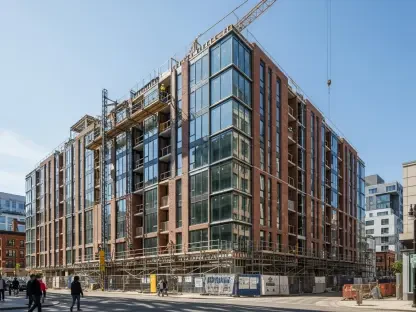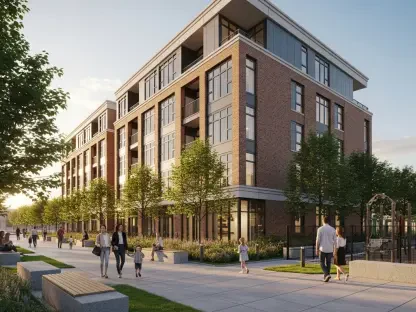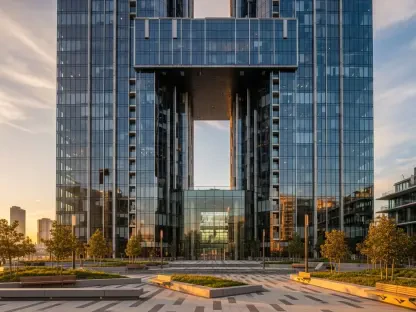

The tension between aesthetic idealism and the brutal reality of the modern housing market creates a fascinating psychological landscape for many urbanites who find themselves torn between their principles and their pocketbooks. This dynamic reached a peak recently when a prominent local enthusiast of urban development, known for his vocal opposition to a massive new residential complex, chose to sign a lease within that very structure. Previously, he had characterized the building as a monotonous monolith that utterly failed to respect the historic fabric of the neighborhood or provide meaningful street-level engagement through retail. His critiques were rooted in a belief that new construction should enhance the community rather than erase its heritage or isolate residents from the surrounding environment. However, the sheer scale of the project, which necessitated the demolition of several older structures, eventually produced a building that offered something the surrounding area lacked: an influx of modern, high-density housing options at competitive rates.
The Pragmatic Shift: When Utility Outweighs Idealism
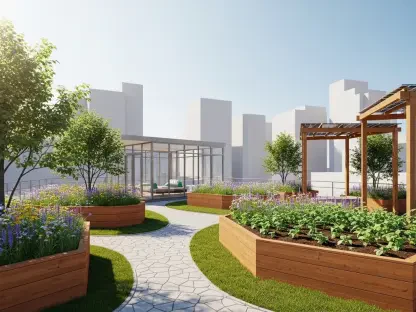
The transition from an outspoken critic to a resident of the same structure highlights the immense pressure that current market conditions exert on even the most principled individuals. Facing soaring monthly rents in a competitive urban landscape from 2026 to 2028, the protagonist and his roommate encountered an offer that proved impossible to ignore from a purely financial perspective. The development, despite its criticized exterior and lack of community-focused design, featured top-floor units with premium amenities such as a rooftop pool and secured covered parking. Furthermore, a promotional incentive offering a full month of free rent served as the final catalyst for this unexpected compromise. This move triggered an immediate internal crisis of integrity, forcing a confrontation with the reality that personal comfort and financial stability often clash with architectural theories. While he acknowledged the building’s failure as a piece of urban art, the functional benefits of modern plumbing and climate control were simply too significant to bypass.
Public discourse surrounding this decision reflected a nuanced understanding of the divide between theoretical urban design and the daily survival tactics of city dwellers. Many observers argued that while the individual’s choice appeared hypocritical on the surface, it actually highlighted a profound systemic issue where the only available high-quality housing was found in buildings that ignored traditional planning virtues. The community feedback suggested that analyzing a building’s impact on the cityscape was a separate endeavor from utilizing its services as a consumer. This specific case provided a clear study in cognitive dissonance, showing how a person reconciled public stance with private necessity. In the end, the focus shifted toward demanding that developers integrate aesthetic and community-focused elements into these functional spaces so that future residents would not have to choose between their ethics and their homes. This situation prompted a call for more robust zoning laws that required ground-floor retail and historic preservation as non-negotiable standards.