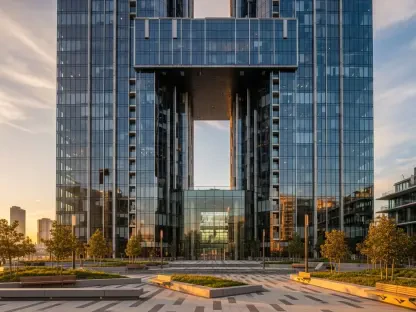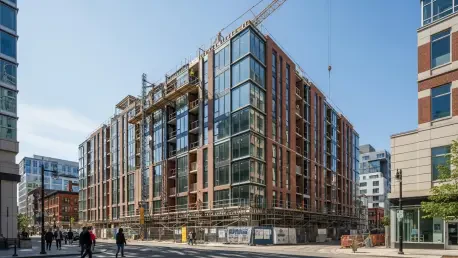

The rapid transformation of Chicago’s West Loop into a dense residential hub reflects a broader shift in urban planning where proximity to mass transit and walkability have effectively replaced the historical reliance on private vehicle ownership. As the neighborhood matures, the transition from industrial warehouses and surface parking lots to sophisticated mid-rise structures has become the standard for modern urban infill projects. Currently, two significant developments spearheaded by Continuum Real Estate Brokers, in collaboration with Chicago Common Construction and Axios Architects, are making visible strides just one block apart from each other. These projects highlight a growing consensus among city planners and developers that high-density housing is the most viable path forward for this bustling district. By focusing on residential growth in former commercial pockets, these buildings contribute to a more vibrant, 24-hour environment. This evolution is not just about adding housing units but about redefining the relationship between residents and their physical surroundings in one of the city’s most active corridors.
Transit-Oriented Design: The New Standard for Urban Living
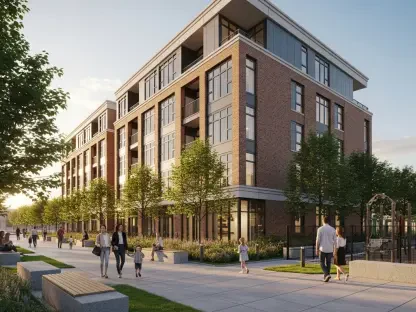
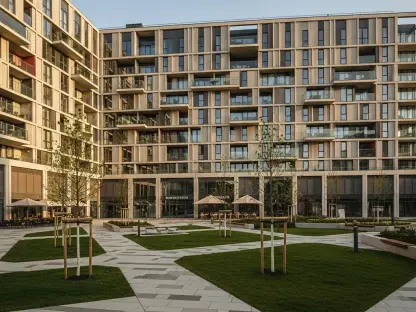
The first of these notable projects, located at 135 North Desplaines Street, exemplifies the shift toward high-density living with its nine-story profile designed to house 50 apartment units and ground-floor retail space. This particular site, which previously served as a surface parking lot, has recently seen its vertical construction reach the second story following extensive site preparation that occurred earlier this year. Its architectural design prioritizes the pedestrian experience, effectively utilizing a relatively small footprint to maximize residential capacity. Meanwhile, the development at 629 West Lake Street represents a slightly different phase of the construction lifecycle, as this eight-story building has already topped out. Crews are currently focused on the intricate tasks of installing windows and completing the exterior brickwork, transitioning the structure from a skeletal frame into a finished aesthetic. This site formerly housed a local eatery, illustrating the neighborhood’s ongoing shift from low-rise commercial footprints to dense residential environments.
Future Growth: Shaping the Long-Term West Loop Landscape
A defining characteristic of both these developments is the extreme limitation placed on vehicle parking, with only five spaces provided between the two buildings combined. This bold choice underscores a deep confidence in the West Loop’s infrastructure, which offers unparalleled access to public transportation and a plethora of local amenities within walking distance. For prospective residents, this means a lifestyle less dependent on cars and more integrated with the urban fabric. Looking ahead, the building at 629 West Lake Street is nearing its final stages with a projected opening in early 2026, while 135 North Desplaines remains on a longer trajectory with a planned debut in late 2027. These timelines suggest a phased increase in housing inventory that will help meet the sustained demand for high-quality rental options in the area. Investors and urban planners should note that this model of minimal-parking infill is likely to become the blueprint for future residential projects. Embracing such density ensures that Chicago continues to evolve as a modern, accessible metropolis that prioritizes human-scale development over outdated car-centric planning.