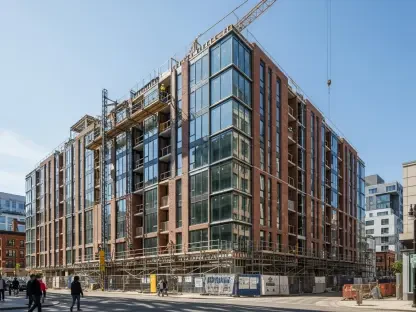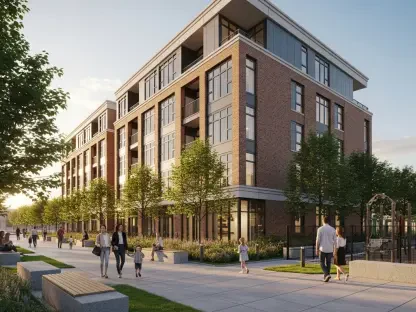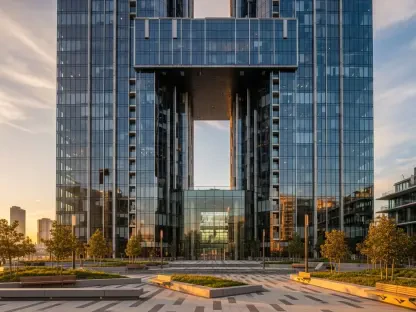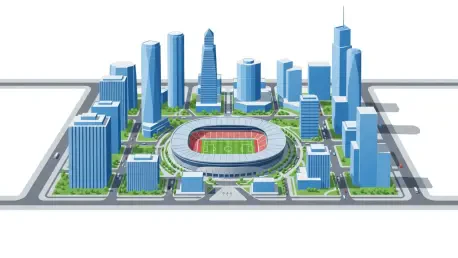

In this new era, franchises are increasingly abandoning the concept of isolated arenas in favor of integrated districts that function as year-round economic engines. The Tampa Bay Rays’ decision to transition from their long-time home in St. Petersburg to a sprawling 130-acre site in the Westshore District represents one of the most significant relocations in modern Major League Baseball history. By partnering with architectural powerhouses like Gensler and Populous, the team aims to redefine what a “forever home” looks like in the twenty-first century. This shift highlights a broader industry trend where real estate development and sports entertainment become inextricably linked to ensure financial sustainability and community relevance.
A Tectonic Shift in the Major League Baseball Stadium Landscape
The move to Tampa’s Westshore District marks a departure from the historical isolation of Tropicana Field, placing the team in the center of a primary business hub. While St. Petersburg provided a loyal foundation for decades, the geographic center of the region’s population and wealth has steadily shifted toward the eastern side of the bay. Architectural master planning by Gensler focuses on creating a district that breathes with the city, while Populous works to ensure the stadium itself offers the intimate, tech-forward environment modern fans demand. These firms are not just building a place to play ball; they are designing a community anchor that replaces the outdated model of standalone venues with a dynamic, multi-purpose environment.
Emerging Paradigms in Sports-Centric Urban Development
From Ballparks to Retail-Rich Districts: The Walkable Revolution
Modern consumer behavior has evolved beyond the simple act of watching a nine-inning game toward a demand for a comprehensive, multi-sensory gameday experience. This project leans into the “walkable revolution” by surrounding the 31,000-seat stadium with high-density residential units and premium retail corridors. By blurring the lines between a sports venue and a downtown neighborhood, the Rays are betting that fans will arrive hours before first pitch and stay long after the final out. The inclusion of public parks and green spaces ensures the area remains a destination for local residents during the off-season, fostering a sense of community ownership that traditional stadiums often lack.
Economic Projections and the Massive Scale of Job Creation
The sheer scale of the Westshore project is evidenced by the projected creation of 39,000 construction jobs, a figure that highlights the complexity of building an entire district from scratch. When compared to other national megaprojects, such as the new Buffalo Bills stadium, the Rays’ $2.3 billion footprint stands out due to its extensive non-sporting infrastructure. Analysts predict that this massive infusion of capital will serve as a catalyst for regional property values, potentially transforming Westshore into the most valuable real estate corridor in Florida. As retail growth accelerates around the stadium site, the long-term economic performance indicators suggest a significant return on investment for the surrounding business community.
Navigating Fiscal Hurdles and Local Infrastructure Complexities
Securing the necessary $1.15 billion in public funding remains a significant hurdle that requires navigating complex political waters and public skepticism. Taxpayers and local officials often question the long-term benefits of such massive subsidies, especially when the total cost nears the two-billion-dollar mark. Beyond the financial debate, the physical reality of placing a stadium next to Hillsborough College introduces logistical challenges, specifically regarding traffic congestion and student safety. Mitigating these disruptions while managing the team’s temporary relocation from the storm-damaged Tropicana Field to Steinbrenner Field requires a level of coordination rarely seen in municipal planning.
The Legislative Roadmap and Land-Use Compliance
The momentum for this project is anchored by a critical Memorandum of Understanding signed in 2024, which provided the framework for land use and development rights. However, the state of Florida has implemented a strict “use it or lose it” clause that mandates construction must begin within five years of the land transfer agreement. This legislative ticking clock forces the Tampa Sports Authority and local government to finalize tax exemptions and infrastructure plans with unprecedented speed. Navigating these regulatory requirements is essential for ensuring the 22 acres of state-owned land do not revert back to the public trust before a single brick is laid.
The Future of Westshore: A New Epicenter for Florida Sports
Relocating to a primary business district positions the Rays to capture a larger share of the corporate sponsorship and premium seating markets. As transportation technologies evolve and the region grapples with climate resilience, the Westshore project serves as a testing ground for sustainable urban design in a coastal environment. The 2029 vision for the site includes seamless connectivity with regional transit and a facility that can withstand increasingly volatile Florida weather. By looking toward the end of the decade, the team is preparing to transition into a world-class facility that secures its presence in the region for the next half-century.
Assessing the Viability of the $2.3 Billion Vision
The transition of the Tampa Bay Rays from St. Petersburg to the Westshore District represented a calculated response to shifting economic and environmental realities. This analysis found that the project’s success depended on balancing the immediate needs of public infrastructure with the long-term promise of job creation and tax revenue. Stakeholders concluded that the pivot was necessary to avoid the stagnation of the franchise, though it required substantial political courage and financial transparency. Moving forward, the focus should remain on meeting construction deadlines to satisfy state land-use mandates while refining the mixed-use elements to ensure the district remains vibrant outside of the baseball season. Ultimately, this megaproject served as a definitive answer to the region’s stadium debate by prioritizing urban density over suburban sprawl.