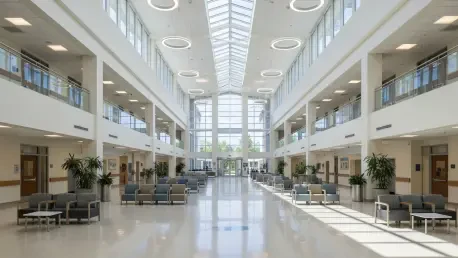

A transformative $380 million investment is set to anchor a new standard of comprehensive medical treatment in the heart of California’s Central Valley, promising to end the fragmented patient journeys that have long defined regional healthcare. This month, Sutter Health, a major not-for-profit health system, broke ground on a state-of-the-art Advanced Cancer Center and Care Complex in Modesto. The ambitious project is not merely an expansion of services but a fundamental reimagining of how specialized medical care is delivered, designed to create a centralized hub for patients across numerous communities. The facility aims to consolidate a wide range of treatments and diagnostics into a single, accessible location, streamlining the healthcare experience for thousands of residents.
The Dawn of a New Healthcare Era in California’s Central Valley
For years, access to advanced and integrated medical care in the Central Valley has been a significant challenge, often requiring patients to navigate a complex and disjointed system. The development of this new complex marks a pivotal moment, signaling a deliberate move away from scattered, piecemeal treatment models toward a unified and patient-centric approach. This single project is poised to become a cornerstone of regional healthcare, setting a new benchmark for quality and accessibility.
By concentrating a multitude of specialties and advanced technologies under one roof, the facility is designed to reduce the logistical and emotional burdens placed on individuals and their families. This consolidation promises not only greater convenience but also enhanced collaboration among medical teams, which is critical for complex cases, particularly in oncology. The initiative reflects a broader trend in modern healthcare, where integrated care models are recognized for their ability to improve patient outcomes and overall satisfaction.
Addressing the Need for Centralized Coordinated Care
Patients in the Central Valley seeking specialized medical attention, especially for cancer, frequently face a strenuous reality. Their treatment plans often involve traveling to multiple facilities for consultations, diagnostic imaging, surgery, and follow-up appointments. This fragmented journey can lead to delays in care, increased stress, and difficulties in coordinating between different medical providers, ultimately complicating the healing process.
Sutter Health’s strategic response to these long-standing issues is embodied in this comprehensive care complex. The facility is purpose-built to eliminate the need for patients to travel between disparate locations by offering a full spectrum of services in one building. This model is designed to foster seamless communication among specialists, ensuring that a patient’s entire care team can collaborate efficiently and effectively on treatment plans. The goal is to provide a cohesive, streamlined experience from diagnosis through recovery.
A Blueprint for a State of the Art Medical Hub
The design for the 165,000-square-foot facility, conceived by architecture firm HGA, meticulously organizes specialized services across four levels to optimize patient flow and clinical efficiency. The first two floors will be dedicated entirely to the Advanced Cancer Center, envisioned as an all-inclusive nucleus for oncology. This integrated space will combine clinic visits, cancer screenings, infusion and radiation therapy, advanced imaging, laboratory services, and a full-service pharmacy, creating a comprehensive ecosystem for cancer treatment.
The third floor will introduce an ambulatory surgery center, a first of its kind for Sutter Health in Modesto. It will feature four operating rooms and four procedure rooms, with dedicated space intentionally reserved for future expansion to meet growing demand. Above, the fourth floor will house a large-scale outpatient clinic with the capacity for over 25 clinicians and 50 examination rooms. This level is designed to significantly expand access to both routine and specialized care, further cementing the facility’s role as a comprehensive medical destination.
The Vision and Innovative Strategy Behind the Build
Sutter Health President and CEO Warner Thomas articulated a clear vision for the project, describing it as a “destination for care in the Central Valley.” The objective is to establish a facility that not only meets current needs but also anticipates future healthcare demands, providing coordinated, high-quality services across a wide array of specialties. This forward-thinking approach aims to attract and retain top medical talent while offering patients access to the latest treatments and technologies close to home.
The construction of this landmark facility is being guided by an equally innovative strategy. General contractor DPR Construction is utilizing an Integrated Project Delivery (IPD) approach, which unites the design, fabrication, and construction teams under a single collaborative agreement. Abe Sipes, a business unit leader at DPR, highlighted that this model, combined with lean construction methods, enhances efficiency and alignment from the earliest stages. This collaborative framework is designed to optimize project delivery, minimize waste, and ensure the final structure perfectly aligns with the clinical and patient-centered goals.
Project Milestones From Groundbreaking to Patient Care
With site work commencing last month, the project officially celebrated its groundbreaking on January 15, marking a significant step forward for the community. This event symbolized the beginning of a multi-year construction process that will transform a vacant lot into a beacon of advanced medical care. The timeline positions the Central Valley on a clear path toward a more integrated healthcare future.
The community can now look forward to the project’s progression over the next several years, with the complex scheduled for completion in 2029. Upon its opening, the facility will welcome its first patients, culminating years of planning, design, and construction. The conclusion of this monumental project marked the beginning of a new chapter for healthcare in the region, one defined by greater access, coordination, and a profound commitment to patient well-being.