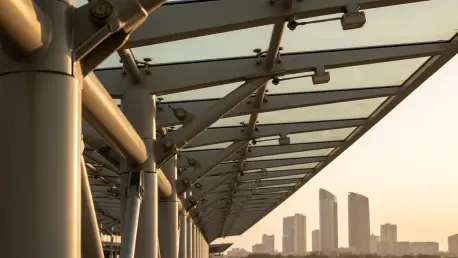

The sudden structural collapse of sections of the Abuja bus terminal following a heavy downpour has sent shockwaves through Nigeria’s urban planning community and raised serious questions about safety. This facility, once hailed as a modern cornerstone of the Federal Capital Territory’s transportation network, now sits as a stark reminder of the vulnerabilities inherent in rapid urban expansion. Commuters who rely on this terminal for daily transit are facing significant disruptions, while engineers point to the incident as a clear indicator of systemic flaws in the project’s execution. The failure occurs at a time when the city is pushing for a total overhaul of its transit corridors, making the damage particularly poorly timed for the municipal government. Initial reports suggest that the roofing systems and structural supports were unable to manage the shear forces exerted by intense winds and precipitation. This event highlights a disconnect between the ambitious architectural designs being commissioned and the actual material reality.
Evaluating Material and Construction Standards
Technical Failures: A Review of Structural Integrity
Analyzing the wreckage reveals that the primary failure points were located at the joints of the cantilevered roof structures and the drainage attachments. Experts in structural engineering suggest that the metal fatigue observed at the site was premature, indicating that the materials used may not have met the specific grade requirements for high-wind resistance. In several sections, the shearing of bolts and the buckling of aluminum cladding points to a mismatch between the design load and the actual environmental stresses encountered during the storm. This situation raises concerns about whether the 2026 building codes were strictly applied during the fabrication phase or if substandard components were substituted to reduce costs. Furthermore, the foundation stability of the terminal has come under scrutiny as localized flooding began to undermine the pavement shortly after the roof failed. Such technical shortcomings emphasize that infrastructure must be built with a higher factor of safety to ensure it survives the increasing volatility of seasonal weather patterns.
Beyond the visible damage to the roof, the failure of the integrated drainage system suggests a fundamental lack of hydraulic modeling during the planning phase. When the heavy rainfall exceeded the capacity of the gutters, the resulting weight of stagnant water added an unanticipated load to the structural frame, accelerating the collapse. This cascading failure is a textbook example of how minor engineering oversights can lead to catastrophic outcomes when public assets are subjected to stress. Civil engineers are now calling for a comprehensive forensic audit of all similar terminals across the territory to identify hidden defects before another incident occurs. The focus is shifting toward the use of high-tensile steel and reinforced composites that offer better resistance to the corrosive effects of tropical humidity and heat. By reassessing the material supply chain, the government can ensure that future public works are not only aesthetically pleasing but also structurally sound enough to protect the thousands of citizens who pass through them every single day.
Institutional Gaps: The Necessity of Rigorous Oversight
The damage at the Abuja terminal is not merely a physical failure but also a reflection of gaps in the administrative monitoring of public construction projects. While the original design specifications were theoretically sound, the discrepancy between the blueprints and the finished structure suggests that on-site supervision was insufficient. Quality assurance professionals argue that the absence of third-party inspectors during critical phases of assembly allowed minor errors to be compounded. This institutional weakness is often exacerbated by procurement processes that prioritize the lowest bidder over contractors with proven track records in high-resilience engineering. To rectify this, the Federal Capital Territory Administration must implement more stringent reporting requirements that include real-time digital monitoring and drone-based inspections for large-scale projects. Such measures would provide a transparent trail of accountability, ensuring that every bolt tightened and every slab poured adheres to the established safety protocols.
Effective oversight also requires a cultural shift within the regulatory bodies responsible for issuing certificates of completion. In many cases, the rush to commission high-profile projects leads to a curtailment of the testing period, leaving little time to identify structural anomalies under load. The recent terminal incident has prompted a debate on the introduction of mandatory performance bonds that hold contractors financially liable for structural failures within the first five years of operation. By aligning financial incentives with long-term durability, the government can discourage the practice of cutting corners during the final stages of construction. Moreover, the integration of Building Information Modeling (BIM) across all government agencies would allow for better coordination between architects, engineers, and site managers. This collaborative approach ensures that potential design conflicts are resolved in a virtual environment before they manifest as physical dangers on the construction site, ultimately protecting both the public purse and the lives of the citizenry.
Implementing Strategic Solutions for Urban Resilience
Environmental Integration: Designing for Climate Realities
The current situation serves as a definitive case study for the necessity of climate-responsive architecture in West Africa’s urban centers. As rainfall intensity increases, the traditional approach to urban design is no longer sufficient to mitigate the risks of flooding and structural damage. Architects are now advocating for the adoption of “blue-green” infrastructure, which integrates natural water management systems into the built environment. For the Abuja terminal, this could have involved the use of permeable surfaces and green roofing to slow down water runoff and reduce the pressure on structural components. Moving forward, urban planners must prioritize wind-tunnel testing and advanced meteorological simulations during the design phase to account for the microclimates of inland cities. These simulations provide critical data on how air pressure interacts with large roof spans, allowing engineers to reinforce specific zones that are most susceptible to uplift during severe storms.
Incorporating smart sensor technology into public terminals is another proactive step toward increasing infrastructure resilience. By installing strain gauges and weather stations on large structures, facility managers can receive early warnings when environmental loads approach the design limits of the building. This data-driven approach allows for preemptive evacuations or temporary closures, significantly reducing the risk of injury during extreme weather events. Furthermore, the use of modular construction techniques could provide a more resilient alternative to traditional fixed structures. Modular components are often manufactured in controlled environments with higher precision and can be easily replaced or upgraded if they are damaged or if environmental conditions change. This flexibility is essential for a city like Abuja, which is experiencing rapid growth and a shifting climate profile. Integrating these advanced technologies ensures that the city’s transport hubs remain functional even when faced with the unpredictable forces of nature.
Long-Term Governance: Establishing New Industry Benchmarks
The resolution of the infrastructure crisis began with a series of legislative reforms aimed at tightening the standards for public works. Policymakers introduced a new framework that mandated the use of resilient materials in all transport-related projects starting from late 2026. This policy shift moved the focus away from short-term aesthetic goals and toward the lifecycle value of the assets. Authorities also established a centralized database to track the performance of contractors, effectively blacklisting firms that failed to meet the rigorous safety requirements on previous assignments. By modernizing the legal requirements for infrastructure, the government created a more competitive and professional environment for construction firms. These actions helped to restore public confidence in the safety of the city’s transit systems and ensured that the capital remained a viable hub for regional trade and commerce. The emphasis on durability successfully reduced the need for frequent and costly repairs, allowing funds to be redirected toward expanding the network.
A comprehensive maintenance schedule was also implemented to prevent the gradual degradation of existing facilities. Instead of waiting for structural failures to occur, technical teams performed regular inspections and minor reinforcements to address wear and tear before it became critical. This shift toward proactive maintenance was supported by a dedicated fund derived from terminal usage fees, ensuring that the upkeep of public assets was not entirely dependent on volatile annual budgets. Industry leaders collaborated with academic institutions to train a new generation of engineers specialized in high-resilience urban design. These professionals were instrumental in developing local building materials that were both sustainable and capable of withstanding local environmental pressures. By fostering a culture of excellence and accountability, the administration ensured that the infrastructure built today would serve the needs of the population for decades. This holistic approach turned a localized disaster into a catalyst for a national movement toward more sustainable and resilient urban development.