
The sudden collapse of a street that swallowed a fire truck in Gardner, Kansas, did more than just create a sinkhole; it exposed a deep chasm in the state’s landlord-tenant laws. This dramatic event at the Aspen Place apartment complex, the result of a severely neglected water system, led to the swift condemnation of 188 units and the frantic displacement of hundreds of residents with only 48 hours’ notice. The ensuing crisis has become the focal point of a contentious debate within the Kansas legislature, sparking the introduction of Senate Bill 415. This proposed legislation aims to provide tenants with a clear legal avenue to seek compensation when a landlord’s negligence makes their home uninhabitable, directly challenging a decades-old legal precedent that has left many renters vulnerable and without recourse. The debate pits the urgent need for tenant protections against landlord industry concerns about unintended consequences, forcing lawmakers to confront who should bear the cost of neglect.
A Crisis Ignites a Legislative Response
The situation at Aspen Place reached its breaking point in May 2023, compelling the city of Gardner to take the drastic measure of condemning the entire property. This was not a sudden development but the culmination of long-standing issues, most notably a dangerously deteriorated underground water system. The street collapse was merely the most visible symptom of systemic failure. For residents, this meant their homes were deemed unsafe practically overnight, creating a chaotic scramble for housing in Johnson County. This abrupt displacement highlighted the severe consequences that arise when essential property maintenance is deferred, leaving families to navigate a sudden and unexpected housing crisis with minimal support from the property owner responsible for the conditions. The event served as a stark illustration of the potential for catastrophic failure in the absence of robust accountability mechanisms for landlords who allow properties to fall into severe disrepair, shifting the burden entirely onto tenants and the surrounding community.
In the wake of this public emergency, State Senator Doug Shane introduced Senate Bill 415 as a direct legislative remedy. The bill’s primary objective is to amend Kansas’s existing landlord-tenant statutes to explicitly state that tenants can seek legal redress under the Kansas Consumer Protection Act. This change would empower them to sue for damages covering everything from lost security deposits and relocation expenses to other related costs incurred when a property becomes unlivable due to a landlord’s failure to maintain it. The necessity for this clarification arises from a 1979 Kansas Supreme Court decision, Chelsea Plaza Homes, Inc. v. Moore, which has created a persistent legal ambiguity regarding whether landlord-tenant disputes fall outside the scope of consumer protection laws. The Kansas Attorney General’s office lent its support to the bill, submitting testimony that it would eliminate the need for “legal gymnastics” in court and establish a clear line of liability for landlords in cases of egregious neglect, providing a straightforward path to justice for affected tenants.
The Human and Community Toll of Neglect
During a pivotal Senate Judiciary Committee hearing, the devastating personal impact of the Aspen Place condemnation was powerfully conveyed through the testimony of former residents. Corey Thurman, a person with disabilities who had resided at the complex for 13 years, recounted his ordeal of enduring persistent plumbing failures, cockroach infestations, and frequent water outages. The condemnation plunged him into a three-week period of instability, forcing him to stay in four different hotels before he could secure a new apartment. He detailed spending an estimated $5,000 on hotels, storage units, and vehicle repairs, none of which was compensated by his former landlord. Similarly, Kristen Hattesohl, another former resident with disabilities, shared her struggle, which cost her $580 and took over a month of uncertainty before she found permanent housing. These personal accounts underscored a central theme of the hearing: tenants who had dutifully paid their rent were left to shoulder immense financial and emotional burdens with no clear legal mechanism to hold the negligent property owner accountable for the losses.
The repercussions of the crisis extended well beyond the individuals displaced, imposing a significant financial strain on the broader community and its public resources. Megan Foreman, the Johnson County Housing Coordinator, testified that the county’s health department alone dedicated 250 staff hours, valued at approximately $10,000, just to operate a resource center for the evacuated residents. She emphasized that this figure represented only the “tip of the iceberg,” as numerous other county departments and private community organizations were also compelled to divert their resources to provide emergency assistance. Foreman and other proponents of SB 415 argued that the entire costly emergency could likely have been averted if a stronger legal framework had been in place. Such a law would have provided tenants or local authorities with the leverage needed to compel the landlord to address the severe habitability issues much earlier, preventing the property’s decline into a state that necessitated a full-scale condemnation and a massive, publicly funded response.
A Changing Market and Industry Pushback
Advocates for stronger tenant protections argue that the Aspen Place debacle is not an anomaly but rather a symptom of a troubling, systemic shift in the rental housing market. During the hearing, representatives from organizations like United Community Services of Johnson County pointed to a significant change in rental property ownership over the past two decades. The market, they contended, is increasingly dominated by large, often out-of-state corporate investors rather than smaller, local “mom and pop” landlords. According to data presented, these corporate entities now own nearly 80% of multi-family units in the Kansas City metropolitan area, with over half of these owners based outside the region. Proponents asserted that this model incentivizes deferring essential maintenance to maximize profits, leading to higher eviction rates and deteriorating living conditions. The crises at Timberlee apartments in Topeka and Emery Gardens in Wichita, where corporate-owned properties were also condemned due to disrepair, were cited as further evidence that the Aspen Place situation reflects a widespread and growing problem.
Despite the compelling testimony from affected tenants and community leaders, the proposed legislation faced opposition from landlord advocacy groups. Representatives from the Associated Landlords of Kansas and the Kansas Manufactured Housing Association did not defend the actions of negligent property owners but argued against the passage of SB 415 at this time. Their primary request was for the legislature to postpone action and instead conduct a comprehensive interim study on the nearly 20 different landlord-tenant bills currently under consideration. They expressed concern that passing bills individually risks creating unforeseen legal conflicts and negative consequences, as lawmakers might fail to see how the various proposals “interlock.” Ed Jaskinia of the Associated Landlords of Kansas characterized the bill as a “heavy-handed method” that could disrupt the state’s current “fair and balanced” system. He warned that such a change could inadvertently harm the supply of affordable rental housing across Kansas, presumably by increasing legal risks and operational costs, which could then be passed on to tenants or discourage investment.
The Unresolved Path Forward
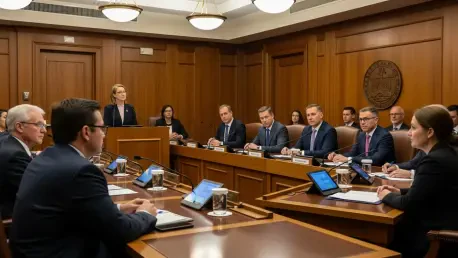
The Senate Judiciary Committee’s hearing concluded without any immediate action on SB 415, leaving the bill’s future uncertain. Committee members raised several critical questions during the proceedings, particularly concerning the need for a precise legal definition of “uninhabitable” and the potential impact the law could have on landlords who own only a few rental units. In response to these concerns, Senator Shane, the bill’s sponsor, committed to providing a clear definition to the committee. Proponents, including legal experts from Kansas Legal Services, stressed that the legislation was intended as a “modest, measured approach.” They framed it not as a broad overhaul of the landlord-tenant system, but as a necessary legal tool to empower responsible tenants against the small fraction of landlords whose severe negligence causes significant harm. The committee’s subsequent decision on whether to advance the bill for further consideration marked a crucial juncture in a debate that encapsulated the critical tension between providing immediate legal remedies for tenants in crisis and the landlord industry’s desire for a more cautious, holistic review of legislative changes.