
With an extensive background in construction and design, Luca Calarailli has developed a keen eye for the intersection of architecture, technology, and economic innovation. His passion lies in understanding how large-scale infrastructure projects, like the new wave of data centers, are reshaping our communities, energy grids, and local economies. He joins us to dissect the monumental growth of data centers in the Great Lakes region and what it means for states like Ohio.
This conversation explores the immense operational and energy demands of modern hyperscale data centers, which are driving a significant strain on regional power grids. We delve into the complex economic equation for local communities, weighing the boom of temporary construction jobs against the scarcity of permanent positions. Furthermore, we examine the double-edged sword of tax incentives used to attract these facilities and discuss potential policy solutions to ensure that the benefits of this tech boom are shared equitably, without placing the burden on residents and small businesses.
New hyperscale data centers are projected to be the size of several Walmarts. Beyond sheer physical scale, what are the key operational differences compared to older facilities, and how does the 24/7 demand for training AI models impact their design and function?
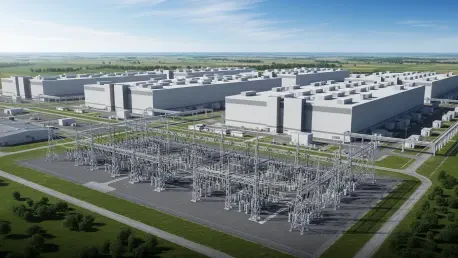
The scale is the first thing that hits you, it’s true. We’re talking about structures the size of five, six, even seven Walmarts laid end to end. But the real shift is in their metabolism. These new hyperscale facilities consume, on average, 30% more electricity than their predecessors. It’s because their purpose has fundamentally changed. They are no longer just passive storage units; they are active, 24/7 digital factories. The constant, relentless demand for training AI models means they are always running at peak capacity. This relentless operational tempo fundamentally alters their design, requiring unprecedented cooling systems and direct, high-voltage connections to the grid that older facilities simply didn’t need.
With data centers projected to consume nearly 11% of Ohio’s energy within four years, what are the practical challenges for the state’s power grid? Please walk me through the step-by-step process of how importing energy could impact electricity bills for residents and small businesses.
That projection, seeing consumption jump from 5.3% to 10.9% in just four years, is a massive shock to the system. The primary challenge is that this new demand is highly concentrated and constant, putting immense stress on local infrastructure. To cope, Ohio will have to purchase a significant amount of power from other states. Here’s how that trickles down: first, the state’s utility companies enter the regional energy market to buy the extra electricity. Because this is a huge, new demand, it drives up the wholesale price of that energy for everyone in the market. The utility then has no choice but to pass that higher cost directly onto consumers. So, whether you’re a family trying to cool your home in the summer or a small business running refrigerators, your monthly bill goes up to subsidize the energy needed to power a facility located miles away.
Data center development often creates a large number of temporary construction jobs but results in very few permanent positions. Could you explain the factors behind this employment structure and discuss the long-term economic trade-offs for a community that invests in attracting these facilities?
It’s a classic boom-and-bust employment cycle. The construction phase is incredibly labor-intensive, creating a surge of well-paying but temporary jobs. In Ohio, we saw this play out with around 22,300 short-term jobs. But once the facility is built, the lights turn on, and the automation takes over. These centers are designed for machine efficiency, not human employment. You might have a single worker overseeing a server floor the size of a Walmart. This results in very few permanent roles—only about 4,500 in Ohio’s case. The long-term trade-off for a community is stark: they experience a brief economic high, but once the construction crews leave, they are left with a massive industrial facility that contributes little to local, sustained employment while placing a heavy, permanent burden on their infrastructure and energy grid.
State and local governments in Ohio see significant tax revenue from data centers, yet often provide exemptions to attract them. What specific types of tax incentives are most common, and what are the political and economic pressures that lead communities to offer these deals?
The potential tax revenue is certainly the main lure. In Ohio, data centers contribute an estimated $128 million in local and $123 million in state tax revenue, which sounds fantastic. However, communities are in a fierce competition to attract these big tech investments. This leads to a race to the bottom where they offer significant tax exemptions, most commonly on property and sales taxes, to seal the deal. The political pressure is immense; no local leader wants to be seen as the one who let a multi-billion dollar project go to the next county over. The economic pressure comes from the promise of that initial construction boom and the prestige of landing a major tech company. The danger is that in giving away these tax breaks, they essentially forfeit the primary long-term economic benefit the data center was supposed to provide in the first place.
You’ve highlighted a risk of rising costs for residents and businesses. What specific, actionable policies could state or local governments implement to balance economic growth with protecting vulnerable communities? Please describe two or three potential strategies and how they would work in practice.
This is the critical question we need to address. First, governments could implement “impact fees” for data center developers. This would be a one-time fee calculated based on the facility’s projected energy and water consumption, with the funds specifically earmarked for upgrading local grid infrastructure and supporting low-income energy assistance programs. Second, they could mandate Power Purchase Agreements where the data center developer must secure their own new, renewable energy sources to power their facility, rather than just drawing from the existing public grid. Finally, we need to reform the tax incentive process. Instead of offering massive upfront exemptions, communities could tie incentives to long-term performance metrics, like permanent local job creation or community investment, ensuring the benefits are real and lasting, not just a mirage.
What is your forecast for the future of data center development and its impact on the economy and energy infrastructure of the Great Lakes region over the next decade?
My forecast is one of accelerating growth and escalating tension. The Great Lakes region is poised to become an even bigger hub, with Columbus on track to overtake New York City. The demand for AI and cloud computing is insatiable, and that will drive the construction of more, and even larger, facilities. However, this unchecked growth will bring the energy debate to a boiling point. We will see significant public and political battles over grid capacity, rising electricity costs for residents, and the true economic value of these projects. The next decade will force a reckoning, compelling states and local communities to move beyond simply attracting these facilities and toward developing smarter, more sustainable policies that ensure the backbone of the digital economy doesn’t break the back of the communities that host it.