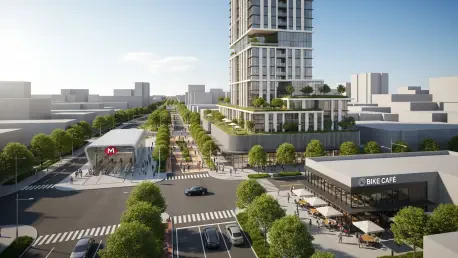

The rapid evolution of Melbourne’s inner-city fringe continues to gather momentum as developers pivot toward high-density residential solutions that cater to a shifting demographic of long-term renters. In a move that underscores the growing institutional appetite for the build-to-rent sector, Novus has submitted a comprehensive proposal for a $110-million residential tower situated in the heart of North Melbourne. This ambitious project, known as Novus on Laurens, is positioned to transform a currently underutilized industrial site into a vibrant vertical community. As the city grapples with housing supply constraints, this development serves as a significant marker of confidence in the Arden Urban Renewal Precinct, which is slated to become a primary engine for Melbourne’s future growth. By replacing aging low-scale industrial buildings with a sophisticated 24-story tower, the developer is making a clear statement about the long-term viability of the North Melbourne market and its capacity to support modern, amenity-rich urban living.
Architectural Fusion: Honoring Heritage through Modernity
Design Foundations: Industrial Inspiration and Structural Form
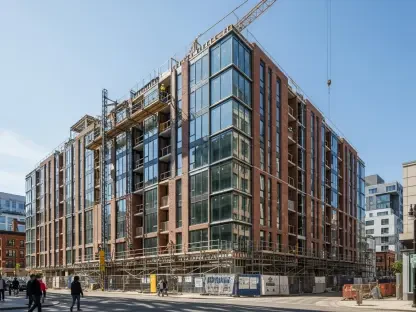
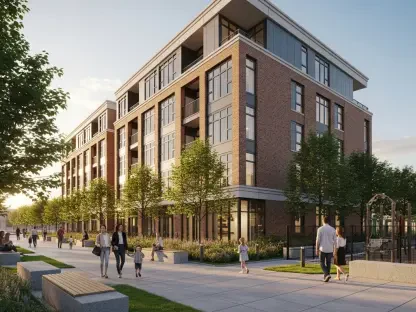
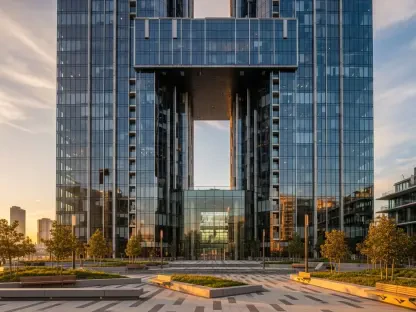
The architectural language of the proposed tower represents a deliberate dialogue between the industrial past of North Melbourne and the contemporary requirements of high-density housing. Developed in close collaboration with the renowned architectural firm Rothelowman, the design draws specific aesthetic cues from the nearby 19th-century Weston Milling Silos, which stand as a landmark of the area’s manufacturing history. This influence is reflected in the tower’s materiality and its robust structural expression, which avoids the generic glass-box aesthetic often found in modern high-rises. The tower is engineered with a significant podium setback, a strategic design choice intended to mitigate the visual mass of the building at the street level while simultaneously enhancing the surrounding public realm. This approach ensures that the building contributes positively to the pedestrian experience, creating a more inviting environment for residents and the broader community while maintaining a clear connection to the site’s rugged history.
Furthermore, the structural composition of the building is designed to maximize environmental efficiency and resident comfort in a dense urban setting. The integration of high-quality materials and textured finishes serves to break down the scale of the 24-story facade, providing a sense of depth and visual interest that changes with the shifting light throughout the day. Beyond its exterior appearance, the internal configuration is optimized for natural light and ventilation, addressing the modern renter’s demand for high-performance living spaces. The commitment to a design that honors the industrial heritage is not merely cosmetic; it informs the very layout of the building, creating a unique sense of place that differentiates Novus on Laurens from other developments in the precinct. This sensitivity to context is expected to be a key factor in the project’s long-term appeal, offering a living experience that feels deeply rooted in its specific geographic and historical location.
Amenities and Lifestyle: The Future of Vertical Living
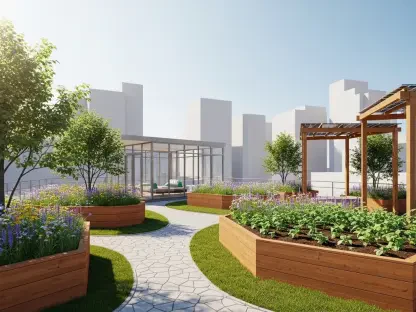
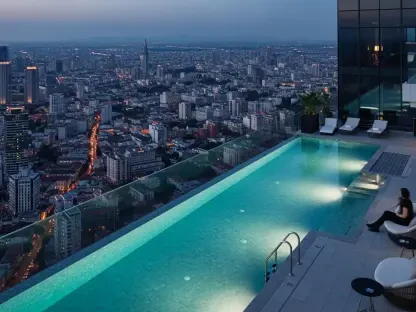
Central to the build-to-rent model is the provision of extensive communal facilities that foster a sense of belonging and provide functions beyond the traditional apartment footprint. The proposal for the Laurens Street site includes a diverse array of amenities tailored to the needs of the modern urban professional, including a dedicated “bike cafe” that caters to Melbourne’s strong cycling culture. Residents will also have access to sophisticated coworking spaces, acknowledging the permanent shift toward hybrid work models and providing a professional environment within the building. These features are complemented by a spacious lobby lounge designed to function as a social hub, encouraging interaction among neighbors. With approximately 155 square meters of internal resident amenities and an additional 433 square meters of communal open space, the project prioritizes the creation of a comprehensive ecosystem that supports both social connectivity and individual productivity.
The emphasis on lifestyle extends into the project’s commitment to social infrastructure and urban accessibility. By incorporating 155 square meters of dedicated community space managed in partnership with Creative Melbourne, the development aims to integrate local culture directly into the residential fabric. This space is intended to serve as a platform for local artists and community initiatives, ensuring that the building is not an isolated enclave but an active participant in the neighborhood’s social life. Additionally, the proposal includes significant public realm improvements, such as the widening of the Queensberry Street verge to enhance pedestrian movement and safety. These modifications reflect a holistic approach to urban development, where the success of a project is measured not only by the quality of its private units but also by the value it adds to the surrounding city. This integration of private luxury and public utility defines the next generation of Melbourne’s residential architecture.
Urban Transformation: The Arden Precinct Evolution
Strategic Integration: Connectivity and Precinct Growth
The selection of the Munster Terrace and Laurens Street site is highly strategic, placing the development within 100 meters of the new Arden Metro station, a critical piece of infrastructure that connects the area to the broader metropolitan rail network. This proximity to high-frequency transit is a cornerstone of the project’s sustainability strategy, encouraging a move away from private vehicle reliance in favor of more efficient urban transport. Situated approximately two kilometers from Melbourne’s central business district, the site offers unparalleled access to major employment hubs and educational institutions, making it an ideal location for the high-density residential growth envisioned by state planners. As an early contributor to the Arden Urban Renewal Precinct, the project is a foundational element in a state-led initiative spearheaded by Development Victoria and the Department of Transport and Planning. This precinct is designed to evolve into a major “civic heart” for the city.
Looking toward the mid-century horizon, the Arden precinct is projected to accommodate approximately 20,000 residents, supported by a mix of residential, commercial, and innovation-focused land uses. The Novus development serves as a catalyst for this transformation, providing essential housing stock that will help define the character of the neighborhood as it transitions from its industrial roots. By delivering 250 apartments ahead of the full completion of the Arden Central Masterplan, the project addresses the immediate need for diverse housing options in a rapidly growing city. The inclusion of affordable housing units within the proposal further underscores the commitment to creating a balanced and inclusive community. This proactive approach to urban development ensures that the necessary residential density is in place to support the local businesses and services that will eventually populate the precinct, creating a self-sustaining urban ecosystem that can thrive for decades.
Strategic Expansion: A Blueprint for Sustainable Development
The progression of the North Melbourne project reflects a broader trend of institutional investment in build-to-rent assets across Australia’s east coast. Following successful approvals in Sydney’s Chatswood and North Shore areas, the move into the Arden precinct demonstrates a disciplined expansion strategy focused on high-growth corridors with strong infrastructure backing. This model provides a solution to the traditional challenges of the rental market, offering professional management and long-term security of tenure that is often missing in the private rental sector. For the city of Melbourne, such developments are essential for maintaining competitiveness and attracting talent, as they provide high-quality housing in locations where people want to live and work. The project’s timeline, with a targeted completion in 2029, aligns with the broader rollout of the Arden precinct’s infrastructure, ensuring that residents will move into a neighborhood that is fully equipped to support modern life.
Urban planners and developers successfully navigated the complexities of transforming former industrial zones into high-density residential hubs through collaborative design and strategic infrastructure investment. The shift toward build-to-rent towers like the one proposed for Laurens Street provided a viable pathway for addressing housing shortages while simultaneously revitalizing underutilized urban land. Future considerations for similar precincts should prioritize the integration of social infrastructure and public transit proximity to ensure long-term resilience and community health. It was observed that projects emphasizing historical context and high-quality communal amenities achieved higher levels of resident satisfaction and social stability. Stakeholders should continue to foster partnerships between private developers and community organizations to ensure that new developments contribute to the cultural and economic vitality of their surroundings. This holistic approach proved essential for creating sustainable urban environments that balanced commercial viability with public benefit.