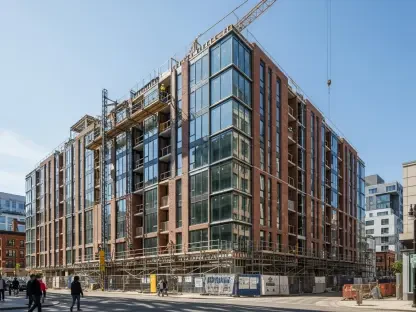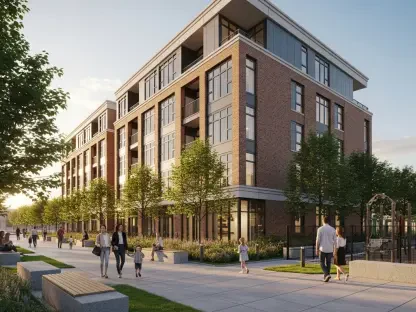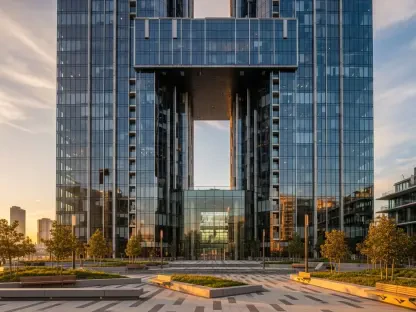

As San Francisco confronts the dual challenges of an escalating housing crisis and a rapidly aging populace, a landmark 15-story residential building on Market Street is emerging as a beacon of hope and a model for compassionate urban development. With projections indicating that nearly one-third of the city’s residents will be aged 60 or older by 2030, this initiative directly addresses the critical need for affordable, supportive living spaces, particularly for low-income LGBTQ+ seniors and veterans. The project transcends the mere provision of shelter, aiming instead to cultivate a vibrant community and a robust support system for a demographic that has historically faced significant social and economic barriers. It represents a forward-thinking response to the pressing concern of social isolation among older adults, offering a comprehensive environment where residents can not only live affordably but also thrive in a space designed for connection, visibility, and mutual support, setting a new standard for senior housing in the city.
A Targeted Solution for a Vulnerable Population
The development, managed by Mercy Housing, is meticulously designed to serve a specific and often overlooked segment of the senior population. The building will offer 187 affordable studio and one-bedroom apartments, with eligibility restricted to individuals aged 62 and older who fall within very low to extremely low-income brackets. This translates to an annual income range of approximately $16,000 to $92,000, ensuring that the city’s most financially vulnerable seniors have access to safe and stable housing. This focus is particularly crucial for LGBTQ+ seniors, who often grapple with greater financial insecurity due to histories of employment discrimination, limited family support, and other systemic disadvantages. By directly targeting this group, the project provides more than just a roof over their heads; it offers a foundation for financial stability and personal well-being in one of the nation’s most expensive housing markets, acknowledging and addressing the unique economic pressures that can exacerbate the challenges of aging.
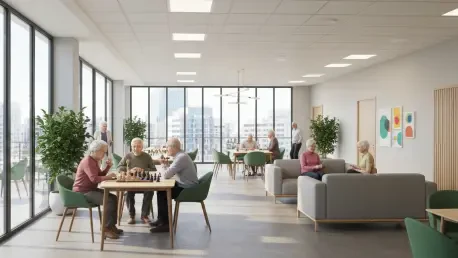
Beyond the financial and physical security it provides, the project’s core mission is to actively combat the pervasive issue of loneliness and social isolation that affects many seniors. As individuals age, they frequently experience the loss of partners, friends, and professional networks, leading to a diminished sense of community and belonging. To counteract this, the nonprofit organization Openhouse will be on-site to provide a comprehensive suite of services and programming tailored to the residents’ needs. These offerings will include dedicated support groups for men, women, and long-term HIV survivors, creating safe spaces for shared experiences and peer support. This integrated service model ensures that residents have constant access to social engagement and wellness resources, fostering an environment where deep, meaningful connections can form. The goal is to build a resilient and interactive community from within, transforming the residential building into a dynamic social hub where every individual feels seen, heard, and valued.
Designing a Community from the Ground Up
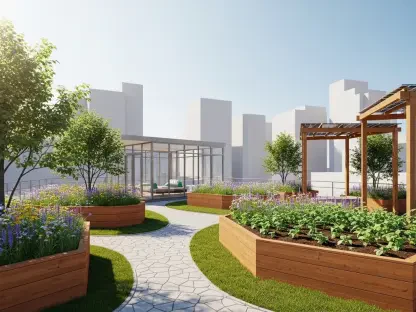
The building’s physical location and architectural design were intentionally planned to maximize community integration and social interaction. Situated at the prominent corner of Duboce and Market, the property is strategically positioned within a vibrant neighborhood that is already home to other important LGBTQ+ community facilities, creating a natural synergy with existing resources. Architecturally, the building incorporates numerous open spaces and common areas specifically designed to encourage spontaneous encounters and planned gatherings, moving residents out of their private apartments and into shared community life. Furthermore, this structure is a key component of a larger, integrated “mini campus” that includes two other residential buildings. This innovative corridor concept allows residents from all three properties to access shared programming and social spaces, effectively expanding their community network and creating a cohesive, supportive enclave that extends beyond the walls of a single building.
The project culminated in a powerful statement of identity and resilience, crafted not just for the residents but for the city as a whole. In a meaningful collaboration, the community requested that the building’s exterior feature prominent rainbow colors, a design choice that served as a bold and visible declaration of presence. This symbolic act transformed the structure from a simple housing complex into a landmark of pride and visibility, broadcasting a clear message: “We are here.” This holistic approach, which seamlessly blended affordable housing with tailored social support and intentional, symbolic design, created a safe, engaging, and affirming environment. The initiative stood as a testament to what could be achieved when urban development prioritized the well-being of its most vulnerable citizens, offering a successful blueprint for how other cities might address the complex needs of their aging populations with dignity and creativity.