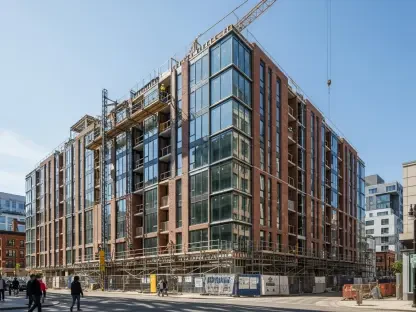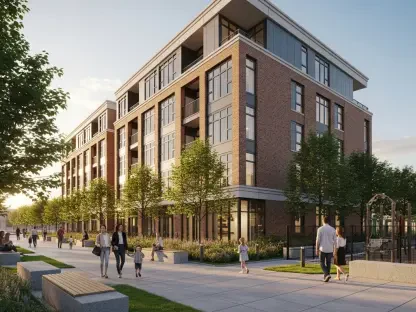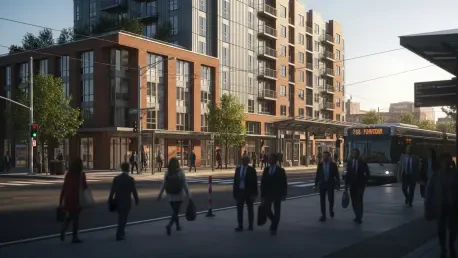

A significant legislative proposal is making its way through Congress, aiming to address the intertwined challenges of housing affordability and transportation access that affect millions of Americans. Recognizing that the distance between a home and a job can be as formidable a barrier as the cost of rent, a bipartisan coalition of lawmakers has introduced the Build Housing, Unlock Benefits and Services Act, or the Build HUBS Act. This bill is designed to directly incentivize the construction of housing, particularly for low- and moderate-income families, in areas with robust public transit infrastructure. The legislation is not about creating new, sprawling programs but rather about refining existing federal financing tools to make them more effective and responsive to the urgent need for transit-oriented development. By streamlining processes and clarifying definitions, the act seeks to unlock billions in potential funding to help build more connected, affordable, and sustainable communities across the nation.
Addressing Gaps in Existing Infrastructure Policy
The foundation for the Build HUBS Act was laid by the 2021 Infrastructure Investment and Jobs Act (IIJA), a landmark piece of legislation that acknowledged the critical link between transportation and housing. While the IIJA made transit-oriented development (TOD) projects eligible for key federal loan programs, its practical application has revealed significant limitations. Lawmakers and industry experts identified what they term “unforeseen gaps” in the authorizations for the Transportation Infrastructure Finance and Innovation Act (TIFIA) and the Railroad Rehabilitation and Improvement Financing (RRIF) program. These gaps have hindered the full potential of the programs to support integrated development projects. The Build HUBS Act is positioned as a precise corrective measure, designed to patch these holes and ensure that the financial power of TIFIA and RRIF can be fully leveraged to build housing where it is most needed—along the transit corridors that serve as economic lifelines for communities. This approach represents a shift toward optimizing existing federal assets to meet pressing contemporary challenges.
The introduction of the bill by a cross-party group underscores a growing consensus that housing and transportation are not separate issues but two sides of the same coin. The effort is co-led in the Senate by John Curtis (R-Utah) and Lisa Blunt Rochester (D-Del.), and in the House by Laura Friedman (D-Calif.) and Mike Lawler (R-N.Y.). This collaboration signals a pragmatic approach to tackling the national housing crisis, moving beyond partisan divides to focus on a shared goal of fostering smarter, more efficient land use. By uniting to support the Build HUBS Act, these lawmakers are championing a vision where communities are developed with density and walkability in mind, reducing commute times, improving access to essential services and employment opportunities, and ultimately enhancing the quality of life for residents. The broad base of support, which includes influential industry groups like the National Apartment Association and the National Association of Home Builders, further reinforces the bill’s potential impact and widespread appeal.
Key Provisions and Regulatory Reforms
To achieve its ambitious goals, the Build HUBS Act proposes several specific and impactful changes to current federal policy. A cornerstone of the legislation is the extension of the TIFIA and RRIF loan programs through 2031. This decade-long reauthorization is intended to provide the long-term stability and predictability that developers and local governments need to plan and execute complex, large-scale TOD projects. Beyond just extending the timeline, the bill seeks to clarify and broaden the very definition of transit-oriented development. This crucial change is designed to make the programs more flexible and accessible to a wider range of communities, including smaller cities and suburban areas, rather than limiting their benefits to major metropolitan centers. By modernizing the definition, the act ensures that federal support can be tailored to the unique needs and characteristics of diverse localities, fostering equitable development nationwide and ensuring more communities can participate in building integrated housing and transit solutions.
A central focus of the legislation is the removal of procedural and regulatory roadblocks that have historically slowed down or halted vital housing projects. The act would establish a delegated lending model, a strategic approach that combines federal oversight with the agility and efficiency of the private sector. This model is designed to significantly accelerate project review and funding disbursement, getting capital to shovel-ready projects more quickly. In one of its most significant provisions, the bill aims to reduce regulatory burdens by waiving certain National Environmental Policy Act (NEPA) requirements for high-priority projects. This would apply specifically to developments such as office-to-residential conversions and infill construction on previously developed land, which are seen as key strategies for increasing housing stock without urban sprawl. Furthermore, the legislation explicitly directs the loan programs to prioritize projects that facilitate the creation of workforce housing, ensuring that new developments cater to the needs of essential workers who are often priced out of the communities they serve.
A New Vision for Community Development
The Build HUBS Act represented a focused and pragmatic legislative effort to refine existing federal tools for a more effective response to the national housing crisis. Rather than creating new bureaucracy, it sought to make established financing mechanisms faster, more flexible, and more accessible for projects that integrated housing with public infrastructure. The bill’s emphasis on streamlining regulations, such as the targeted NEPA waivers for office-to-residential conversions, and accelerating funding through a delegated lending model demonstrated a clear understanding of the practical barriers that often stall development. The strong bipartisan sponsorship and the wide coalition of support from housing and building industry groups indicated a shared recognition that connecting housing policy with transportation infrastructure was a critical strategy for building resilient and economically vibrant communities. Ultimately, the legislation was viewed as a strategic investment in creating denser, more walkable neighborhoods where residents could more easily access jobs and services, thereby improving economic mobility and overall quality of life.