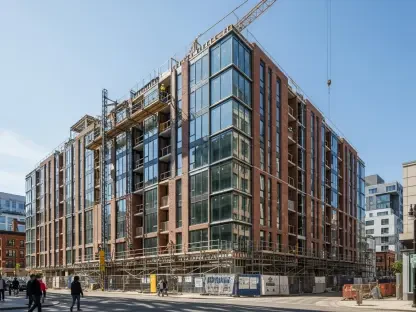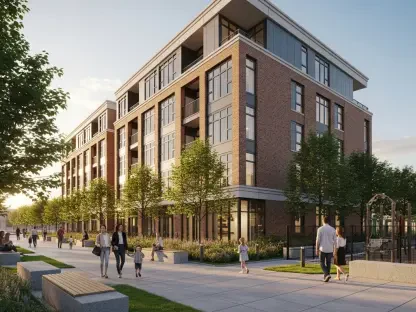

Imagine a city skyline rising not through years of painstaking labor, but in mere months, as pre-built apartment modules slot into place like pieces of a giant puzzle. In Australia, this vision is becoming reality as the property development sector, particularly within the build-to-rent (BTR) space, undergoes a seismic shift. A crippling housing crisis—marked by a shortfall of around 20,000 units annually—has spurred developers to rethink traditional methods. Soaring construction costs and labor shortages only add fuel to the fire, pushing the industry toward innovative solutions like volumetric modular construction (VMC) and artificial intelligence (AI)-assisted design. These approaches promise not just speed, but a level of quality and adaptability that could reshape how Australians live. As the nation grapples with urgent housing demands, this quiet revolution offers a glimpse of hope, challenging old norms and setting a bold new standard for the future of urban development.
The Rise of Modular Construction
Transforming Build-to-Rent Delivery
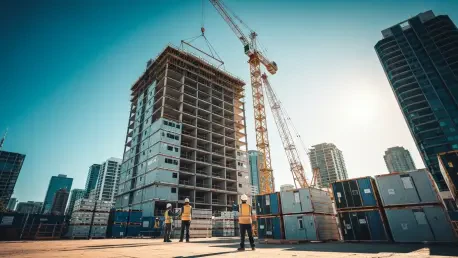
At the heart of this transformation lies VMC, a method where entire apartment units are crafted offsite, complete with finishes, wiring, and plumbing, before being transported and assembled onsite with remarkable precision. This isn’t just a tweak to the building process; it’s a full-scale reimagining that slashes construction timelines by months, cuts down on waste, and sidesteps weather delays that plague traditional builds. For the BTR sector, which thrives on quick turnarounds to meet rental demand, this speed is a lifeline. Industry leaders argue that in a market desperate for housing, where every delay widens the supply gap, VMC delivers not just faster results but a consistency in quality that manual construction often struggles to match. The implications are staggering: projects that once took years can now reach completion in a fraction of the time, directly addressing Australia’s pressing need for more livable spaces in urban centers hungry for growth.
Moreover, the impact of VMC extends beyond mere efficiency to redefine project certainty for developers in the BTR space. By shifting much of the construction process into controlled factory environments, risks like labor shortages or onsite accidents diminish significantly. This controlled setting also allows for tighter quality checks, ensuring each module meets strict standards before it ever reaches the site. For a sector under pressure to deliver affordable, high-quality housing amidst economic headwinds, this reliability is invaluable. Unlike traditional methods, where unexpected costs can spiral, modular construction offers a clearer financial picture from the outset. As Australia’s housing crisis deepens, with population growth outpacing supply, the ability to predict timelines and budgets with greater accuracy positions VMC as a cornerstone of future development strategies, promising to bridge the gap between need and delivery with unprecedented effectiveness.
Overcoming Local Challenges
While the promise of VMC shines brightly, Australia’s journey to fully embrace this technology is fraught with growing pains compared to more mature markets like the UK, where modular methods have birthed 50-storey residential towers. Down under, the ecosystem for such innovation remains underdeveloped, lacking the local manufacturing capacity and expertise needed to scale operations. Many developers must turn to offshore production, which, while effective, introduces logistical headaches and added costs that can dampen momentum. Yet, there’s a palpable sense of optimism in the air. Companies are spearheading initiatives to build domestic know-how, viewing these early hurdles as stepping stones rather than roadblocks. The vision is clear: establishing a robust local framework for modular construction could transform the BTR landscape, making swift, scalable housing solutions a homegrown reality rather than an imported fix.
However, building this capacity isn’t just a matter of setting up factories; it requires a cultural shift within the industry to embrace new methods over entrenched practices. Training skilled workers, fostering partnerships, and sharing knowledge are critical steps that forward-thinking firms are already taking through innovation hubs and pilot projects. The contrast with international examples underscores both the gap and the potential—while other nations have surged ahead, Australia’s unique challenges, like vast distances and regulatory nuances, demand tailored solutions. Still, the drive to localize VMC is gaining traction as developers recognize that overcoming these barriers could unlock a faster path to addressing the housing shortfall. With each successful project, confidence grows that modular construction can evolve from a niche experiment into a mainstream answer to the nation’s urgent urban needs, paving the way for a self-sufficient future.
Technology’s Role in Innovation
AI-Driven Design and Engagement
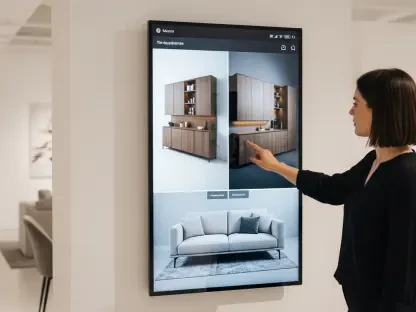
Beyond the physical act of building, technology is weaving its magic into the very blueprint of BTR developments through AI-driven design tools that are changing the game. Developers now harness AI to analyze vast pools of data on tenant preferences, allowing them to craft spaces that resonate deeply with market demands. In one striking example, surveys powered by AI gathered insights from over 1,200 potential residents in a matter of minutes, distilling complex feedback into actionable design briefs. This rapid feedback loop ensures that projects aren’t just built, but built right—aligning with what renters truly want. In a sector where missteps can mean vacant units and lost revenue, such precision is a powerful edge. As housing needs grow more diverse, AI stands as a vital ally, helping developers anticipate trends and tailor offerings that keep pace with shifting lifestyles in Australia’s bustling urban hubs.
Equally compelling is the role of flexibility that technology enables, ensuring BTR projects remain relevant over time in a dynamic market. AI doesn’t just refine initial designs; it supports ongoing adaptability by forecasting how needs might evolve, allowing developers to plan for future modifications. This forward-thinking approach dovetails with the ethos of modular construction, where buildings can be designed to be disassembled or repurposed without losing value. For instance, spaces might shift from rental apartments to co-living setups as demographics change, preserving investment worth. This synergy between data-driven insights and flexible design tackles a core challenge in property development: balancing today’s demands with tomorrow’s uncertainties. As Australia’s housing landscape continues to shift under economic and social pressures, leveraging AI to stay agile ensures that BTR developments don’t just fill a gap but build a lasting foundation for communities.
Operational Efficiency Through Digital Tools
Technology’s influence doesn’t stop at design; it extends into the day-to-day management of BTR assets, where digital tools are streamlining operations with impressive results. Resident-facing apps and platforms are now central to vertical communities, offering seamless ways to handle everything from rent payments to maintenance requests. These tools don’t just save time for property managers; they enhance tenant experiences by fostering connectivity and convenience in densely populated urban settings. Imagine a high-rise where residents can book shared amenities or report issues with a tap on their phones—this is the new normal that tech is crafting. In an era where renter expectations are higher than ever, such innovations are proving essential for maintaining satisfaction and retention, turning buildings into more than just places to live but into integrated, responsive environments.
Furthermore, the broader trend of data-driven decision-making amplifies the impact of these digital solutions on operational efficiency. By collecting and analyzing usage patterns through apps, managers gain insights into how spaces are used, identifying areas for improvement or cost savings. This might mean adjusting energy consumption based on peak hours or reallocating resources to high-demand amenities, ensuring every dollar spent maximizes value. Such precision in operations mirrors the meticulousness of modular construction itself, reflecting a holistic shift toward smarter, more sustainable property management. As Australia’s BTR sector scales to meet housing shortfalls, these tools offer a scalable way to manage growth without sacrificing quality. The result is a win-win: tenants enjoy better living experiences, and developers see stronger returns, proving that technology’s role is as much about nurturing communities as it is about building them.
Addressing Broader Industry Challenges
Economic and Structural Pressures
The urgency for innovation in Australia’s BTR sector is underscored by relentless economic pressures that traditional construction struggles to withstand. Rising costs for materials and labor, coupled with a scarcity of builders equipped to handle complex urban projects, create a perfect storm of delays and overruns. Smaller contractors, often stepping into larger roles without adequate financial backing, heighten the risk of project failures, especially in high-density areas like Sydney. This bottleneck not only slows housing delivery but exacerbates the annual shortfall of units needed to match population growth. Modular construction emerges as a compelling antidote, reducing reliance on overstretched labor markets and offering predictable costs through factory-based production. By sidestepping many of the pitfalls of conventional methods, it provides a pathway to keep projects on track, addressing systemic issues that threaten to stall progress in meeting national housing targets.
Adding to the challenge are structural inefficiencies within the industry that compound these economic woes, demanding a rethink of how projects are approached. The complexity of class two buildings—multi-unit residential structures—requires specialized skills that many local builders lack, leading to quality concerns and extended timelines. In contrast, VMC’s offsite assembly minimizes onsite variables, curbing the chaos that often derails traditional builds. This shift isn’t merely practical; it’s a strategic necessity as migration and urbanization continue to strain supply. Developers are increasingly vocal about the need for alternatives that can deliver scale without sacrificing standards, especially when every delayed project means more families left without homes. As cost pressures mount, embracing modular solutions offers a pragmatic way to navigate the financial and logistical minefield, ensuring that the push for more housing doesn’t buckle under the weight of an outdated system.
Government Support and Reform
Amidst these challenges, a silver lining has emerged through growing government engagement, which has proven pivotal in supporting the BTR sector’s innovative turn. State-level reforms aimed at unlocking housing supply have gained traction, earning praise from industry leaders who see policy as a critical enabler for scaling new methods like VMC. Streamlined planning approvals and relaxed design guidelines for BTR projects allow developers to move faster, cutting through red tape that once slowed progress. This alignment of public and private interests reflects a shared recognition of the housing crisis’s severity, fostering an environment where experimentation with modular and tech-driven solutions can thrive. Such collaboration signals a departure from past inertia, offering a framework where bold ideas aren’t just welcomed but actively supported to meet urgent community needs.
Equally significant was the unprecedented dialogue between policymakers and developers that shaped these reforms, laying a foundation for sustained progress. This partnership tackled longstanding barriers, such as zoning restrictions and land use policies, which previously stifled quick housing delivery. By aligning regulations with the realities of modern construction techniques, governments enabled projects to adapt to market shifts without bureaucratic delays. Looking back, this cooperation stood as a turning point, demonstrating that systemic change was possible when all stakeholders rallied around a common goal. It wasn’t just about building more; it was about building smarter. As the industry reflected on these strides, the focus shifted to maintaining this momentum, ensuring that future policies continued to prioritize speed and innovation, ultimately bridging Australia’s housing gap with lasting, impactful solutions.