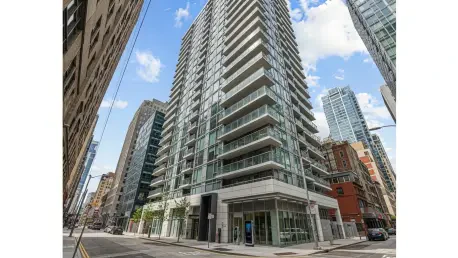

The recent agreement by Minto Apartment REIT to divest its 17-story residential tower at 150 Roehampton Avenue for $90.75 million signals a significant turning point in the organization’s operational strategy as it moves toward a private structure. This transaction, executed with an undisclosed private investor, serves as a critical precursor to a much larger transition involving a multibillion-dollar privatization plan. The sale price is particularly noteworthy because it exceeded the property’s current International Financial Reporting Standards value, suggesting that institutional appetite for premium urban assets remains robust despite fluctuating economic pressures. Located in the high-density Yonge and Eglinton corridor, the building represents a prime example of the type of stabilized, cash-flowing asset that attracts sophisticated capital. By offloading this property at a premium, the trust demonstrated an ability to unlock significant value for its unitholders while streamlining its portfolio in preparation for a fundamental change in its corporate identity and governance.
Constructed originally in 2007, the 148-unit building has been meticulously maintained and recently underwent extensive renovations to maintain its competitive edge in the rapidly evolving Toronto rental market. These upgrades include modern technological integrations such as facial recognition entry systems and advanced electric vehicle charging stations, which cater to the growing demand for sustainable and secure urban living. The property offers a diverse mix of units, ranging from efficient studios to expansive premium penthouses, supported by luxury amenities like a resident lounge and a dedicated yoga room. This focus on modernization reflects a broader industry trend where landlords must invest heavily in PropTech and lifestyle-oriented features to justify premium rents in densifying metropolitan cores. The successful sale of such a modernized asset underscores the reality that while the broader real estate market may face headwinds, well-positioned multi-family properties with updated infrastructure continue to command significant attention from long-term private investors.
The Financial Logic: Debt Reduction and Privatization Readiness
The financial strategy behind this divestment is designed to provide immediate liquidity and fortify the balance sheet ahead of the trust’s complete acquisition by Minto Group and Crestpoint Real Estate Investment Ltd. From the gross sale price, the trust expects to retain approximately $67 million in net proceeds, which are earmarked to pay down its variable-rate revolving credit facility and support general corporate requirements. Furthermore, the transaction is slated to trigger a non-cash special distribution to unitholders, estimated at up to $1 per unit, providing a tangible benefit to investors before the final privatization. This move aligns with the larger $2.3 billion take-private transaction that offers unitholders $18 per unit, representing a substantial 32 percent premium over the market price at the time the deal was announced. By reducing debt and optimizing its asset mix now, the entity is ensuring a smoother transition into a private corporation, allowing the new ownership group to take control of a leaner, more efficient portfolio of high-performing residential properties across major Canadian hubs.
Looking back at the trajectory of this transaction, the decision to sell a flagship asset before finalizing a merger provided a clear roadmap for other real estate investment trusts considering similar structural changes. Investors and analysts noted that the ability to secure a premium over book value in a tightening market validated the quality of the underlying portfolio. Moving forward, the industry observed that the successful integration of high-tech amenities and sustainable infrastructure directly correlated with higher asset liquidity and valuation. Market participants recognized that the shift toward private ownership allowed for a more agile management style, free from the quarterly pressures of public markets. For those managing similar portfolios, the lesson was clear: prioritizing debt reduction and asset modernization proved essential for maximizing returns during a transition. This strategic exit served as a final proof of concept for the trust’s value-creation model, suggesting that future investments in the multi-family sector should prioritize technological adaptability and core urban locations.