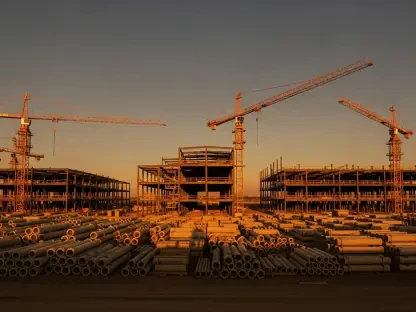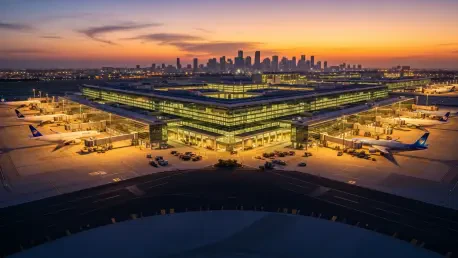

The skyline of South Florida is currently reflecting more than just the sun; it represents a massive shift in how global transit hubs manage unprecedented density. Miami International Airport (MIA) has officially entered a transformative phase with the announcement of a $1 billion expansion project focused on the Concourse D redevelopment. Spearheaded by Miami-Dade County Mayor Daniella Levine Cava in collaboration with American Airlines CEO Robert Isom, this massive investment represents a pivotal component of the airport’s broader $9 billion “Modernization in Action” Plan. This article explores how the initiative aims to overhaul aging infrastructure, enhance the passenger experience, and solidify Miami’s position as a premier global aviation hub. By examining the technical specifics of the Gate D60 project and its role in regional development, we provide a comprehensive look at how this plan sets the stage for a more efficient and resilient future.
From Historic Hub to Global Powerhouse: The Context of Growth
Historically, Miami International Airport has served as the primary bridge between the United States and Latin America, but its rapid post-pandemic growth has tested the limits of its existing footprint. For decades, the airport has relied on infrastructure designed for an era of lower passenger volumes and smaller aircraft. Recent years, however, have seen record-breaking traffic, necessitating a shift from routine maintenance to aggressive expansion. This $1 billion project is not merely a cosmetic upgrade; it is a response to industry shifts where Miami has become a top-tier destination for international business and tourism. Understanding these background factors is essential, as they highlight why a “business as usual” approach is no longer sufficient to sustain the economic vitality of South Florida.
Transforming Infrastructure: The D60 Redevelopment
Reimagining the Passenger Journey at Gate D60
The centerpiece of this expansion is the radical transformation of the Gate D60 area into a modern, three-level facility. Currently, this section of Concourse D is characterized by ground-level operations for small regional jets, often requiring “outside boarding” where passengers walk across the tarmac. The new plan replaces this outdated model with 17 new full-sized gates capable of accommodating mainline aircraft. This shift significantly increases capacity while providing adjoining boarding areas for every gate, effectively eliminating the current congestion found in shared waiting spaces. By transitioning from regional jet facilities to a high-capacity terminal, MIA is directly addressing the logistical challenges of modern air travel.
Streamlining International Logistics and Baggage Systems
Beyond gate capacity, the project introduces critical improvements to international arrivals and behind-the-scenes operations. A major highlight is the construction of direct, third-level access to the U.S. Customs and Border Protection facility. This architectural change will streamline the flow of international travelers, moving them more efficiently from the aircraft through security checkpoints. Furthermore, the installation of a state-of-the-art baggage handling system ensures that the increase in passenger volume does not lead to delays. These enhancements are backed by data suggesting that efficient processing times are a primary driver of passenger satisfaction and airline operational success.
Sustainability and Environmental Resilience in Construction
The Concourse D expansion is being designed with a forward-looking approach to environmental responsibility. The project targets LEED Silver certification and Envision Verified status, reflecting a commitment to using resilient materials and energy-efficient systems. In a region particularly vulnerable to climate change, these standards are not just elective but essential for long-term viability. By addressing misconceptions that large-scale infrastructure projects must be environmentally taxing, Miami-Dade County is setting a new benchmark for how airports can balance massive industrial growth with rigorous sustainability mandates.
Future-Proofing the Hub: The Road to 2030 and Beyond
As we look toward the future, the “Modernization in Action” plan identifies emerging trends that will shape aviation for the next decade. The expansion is designed to accommodate the next generation of larger, more fuel-efficient aircraft, ensuring that MIA remains the preferred hub for American Airlines’ expanding global schedule. We can expect further technological integration, such as biometrics and automated security, to be layered into this new infrastructure. Experts predict that as global travel demand continues to rise, airports that invest now in flexible, high-capacity facilities will capture the lion’s share of international transit traffic, insulating the local economy from future market shifts.
Strategic Takeaways for Stakeholders and Travelers
For businesses and professionals in the aviation and tourism sectors, the $1 billion expansion offers several key takeaways. First, the commitment to infrastructure suggests that Miami will remain a stable and growing market for years to come. Best practices for local businesses involve aligning their services with the expected influx of international visitors. For the frequent traveler, the primary recommendation is to stay informed about construction timelines; while the groundbreaking is set for 2027 with a 2030 completion date, the long-term benefit will be a significantly smoother transit experience. This proactive investment strategy serves as a model for other metropolitan areas facing similar “growth pains.”
Conclusion: A Vision for a Seamless Global Gateway
The decision to modernize Concourse D functioned as a definitive statement of intent for the South Florida region. By addressing the limitations of current gate configurations and prioritizing both sustainability and passenger flow, Miami-Dade County ensured its primary economic engine remained competitive on the world stage. This project, while complex and multi-year in its execution, represented a necessary evolution to meet the demands of the coming decades. As MIA grew from “the cabin to the curb,” it reinforced its status as a vital link in global commerce and stood as a testament to the power of strategic, large-scale infrastructure investment that prioritized long-term scalability over temporary fixes.