
The Manchester skyline is poised for a significant transformation, not with another corporate headquarters, but with a visionary project aimed directly at reshaping the university experience for a new generation of students. Manchester Metropolitan University, in a landmark joint venture, has initiated a £286 million redevelopment of its Cambridge Halls campus, a plan that addresses the critical need for modern, sustainable, and community-oriented student accommodation in one of the UK’s most vibrant cities.
Redefining the Future of Student Accommodation
The ambitious redevelopment of the Cambridge Halls campus represents a direct response to the evolving expectations of modern students. The existing buildings, which date back to the 1990s, are no longer sufficient to meet the demands of a top-tier university city. This project confronts the challenge of replacing outdated infrastructure with a high-density, high-quality living environment designed to foster academic success and personal well-being.
At its core, the initiative is driven by the necessity to provide superior housing in an increasingly competitive higher education market. The strategic partnership between Manchester Metropolitan University and Unite Students, a leader in student accommodation, leverages combined expertise to deliver a project of this scale. This collaboration ensures the new development will not only meet but exceed the standards required to attract and retain students from around the globe.
A Skyscraper Campus Rises
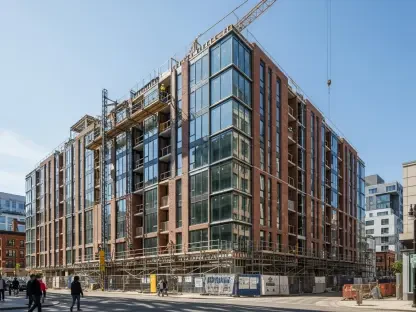
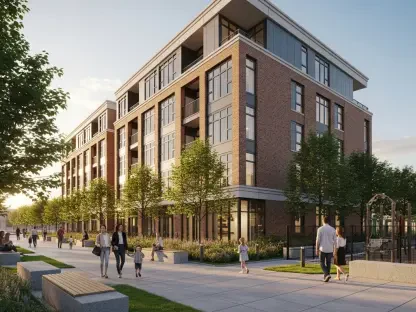
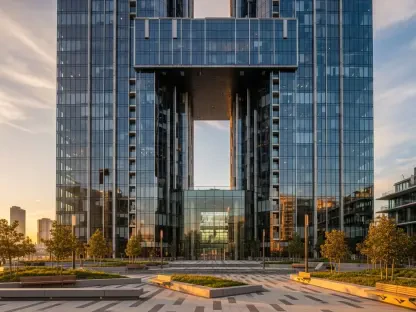
The development plan centers on the construction of two striking multi-story buildings, with one tower rising to an impressive 30 stories. This vertical approach maximizes the use of urban space while creating a distinct and modern campus identity. Contractor Graham has been tasked with bringing this architectural vision, designed by Cartwright Pickard, to life.
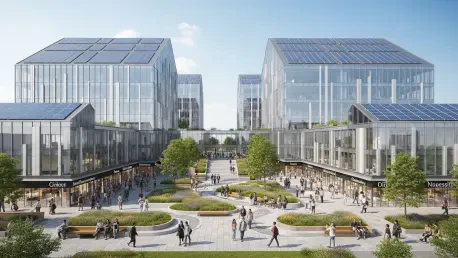
Within these new structures, the project will deliver over 2,300 student bedrooms. The accommodation will feature a strategic mix of cluster apartments, designed to encourage social interaction, and self-contained studios for students who prefer more private living arrangements. To ensure the campus is woven into the city’s fabric, the design incorporates ground-floor commercial units and a new community health center, creating a vibrant hub that serves both students and the wider neighborhood.
A New Benchmark for Green Urban Living
Sustainability is a foundational principle of the Cambridge Halls overhaul, with the development targeting a BREEAM ‘Excellent’ rating for its environmental performance. This commitment is demonstrated through a highly insulated building fabric and the integration of cutting-edge low-carbon technologies designed to minimize the project’s ecological footprint for decades to come.
Key to achieving this green standard is the implementation of systems like air source heat pumps for efficient heating and photovoltaic panels to generate renewable energy on-site. Furthermore, advanced heat recovery ventilation will ensure high indoor air quality while conserving energy. These components will be orchestrated by an intelligent building management system, which optimizes operational energy use and significantly reduces carbon emissions across the campus.
The Path to Completion and Its Impact
With construction commencing this year, the project is scheduled for a phased completion, with the new residences opening their doors to students in 2029 and 2030. The timeline reflects the complexity and scale of the undertaking, which is set to establish a new gold standard for sustainable student housing in Manchester and beyond.
The tangible impacts of this development will extend far beyond providing new bedrooms. By creating purpose-built amenity spaces and fostering a strong sense of community, the revitalized campus promises to profoundly enhance the overall student experience. It represents a forward-thinking investment in the university’s future, ensuring its facilities match its academic reputation.
The launch of this £286 million project marked a pivotal moment for student life in Manchester. The demolition of the old halls and the start of construction initiated a multi-year journey toward creating a campus that was not only architecturally impressive but also fundamentally attuned to the needs of contemporary students. The plan set in motion a new era of accommodation that prioritized community, sustainability, and urban integration, leaving a lasting legacy on the university’s landscape.