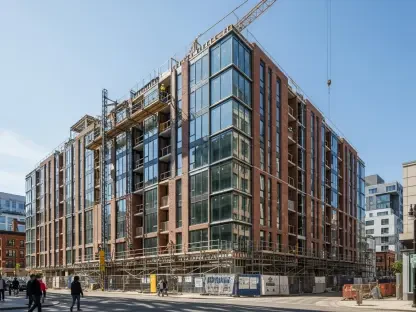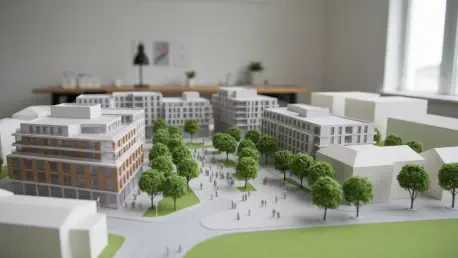

A grassroots victory has been officially cemented in the heart of New Cross, as a decade of resident-led planning culminates in the unanimous approval of a transformative neighborhood regeneration that promises to prioritize people over profit. The Lewisham Strategic Planning Committee has greenlit the council’s comprehensive plan for the Achilles Street area, marking a pivotal moment for a community that has actively shaped its own future. This decision sets in motion a long-term strategy designed not just to build new structures, but to fortify the very social and economic fabric of the neighborhood for generations to come.
Beyond the Blueprint A Resident Led Vision
This project stands apart from traditional top-down urban renewal. It is a cornerstone of the wider “Building for Lewisham” program, an ambitious initiative supported by the Mayor of London that champions community-centric growth. The Achilles Street plan directly aligns with this vision, moving beyond mere construction to address systemic issues that have long impacted residents. The core mission is to tackle housing insecurity head-on, inject vital local investment into the area, and significantly strengthen the infrastructure that underpins community life.
The approval represents the culmination of a collaborative process where the voices of existing residents were not just heard but placed at the forefront of the design. The result is a blueprint that reflects a deep understanding of local needs, from the demand for secure, high-quality social housing to the necessity of fostering a vibrant local economy. It aims to revitalize the neighborhood by ensuring long-term security for current tenants while creating a more connected, safe, and prosperous environment for everyone.
The Driving Force Behind the Achilles Street Project
The primary impetus for this regeneration is the pressing need for a substantial increase in genuinely affordable homes. The plan directly confronts the housing crisis by delivering a significant uplift in council-owned properties, offering a stable and secure future for families currently in temporary or overcrowded accommodation. This focus on social rent homes is a deliberate strategy to preserve the community’s existing social fabric while accommodating necessary growth.
Furthermore, the project seeks to enhance the quality of life through strategic investment in public and commercial spaces. By improving street safety, creating more accessible pedestrian routes, and expanding green areas, the plan aims to build a healthier and more cohesive neighborhood. The integration of new commercial units and creative workspaces is designed to stimulate local employment and support the artistic identity that defines New Cross, ensuring that economic benefits are retained within the community.
A Dual Focus on Homes and Community Hubs
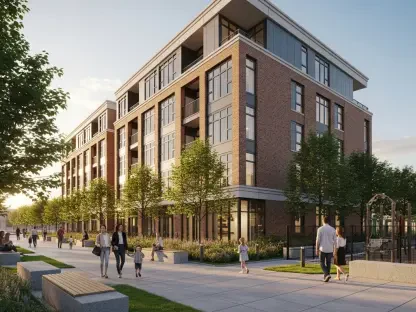
At the heart of the regeneration lies a commitment to housing. The plan outlines the creation of 278 high-quality new homes, with an impressive 60% designated as affordable. This allocation includes 122 new council-owned homes for social rent—a marked increase from the current 87—alongside 44 homes for shared ownership, providing multiple pathways to secure housing. The remaining 40% of properties will be for private sale, creating a mixed-tenure community.
Beyond providing shelter, the design prioritizes livability and sustainability. An exceptional 98% of the new homes will feature dual or triple aspects, maximizing natural light and ventilation for residents. A third of all new properties are specifically designed for families, addressing a critical need for larger homes in the borough. This thoughtful approach to design ensures the new housing stock will be not only plentiful but also of a high standard, built to last for decades.
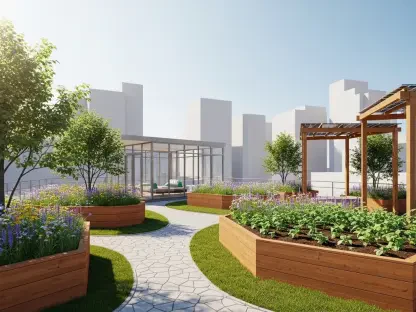
The project’s vision extends to economic and social revitalization. It will introduce 1,411 square meters of new commercial space, including flexible workspaces and dedicated maker spaces tailored to support the thriving creative economy of New Cross. Public space is set to expand by 15%, incorporating enhanced social areas and new play facilities for children. Crucially, the plan will improve connectivity to the adjacent Fordham Park and establish safer, more intuitive pedestrian routes to Deptford and Lewisham, knitting the neighborhood more closely into its surroundings.
Voices and Votes That Shaped the Project
The foundation of the Achilles Street regeneration is its deep-rooted community collaboration, a process that began in 2016. This was not a token consultation but a sustained partnership that empowered residents to become co-designers of their neighborhood’s future. This long-term engagement ensured that the final plans were a true reflection of the community’s aspirations and priorities.
The democratic mandate for the project was unequivocally confirmed in a 2019 estate ballot. With a remarkable 92% turnout, residents voted overwhelmingly in favor of the plans, with 73% casting their vote for regeneration. This powerful endorsement was the result of extensive work by a Resident Steering Group and youth panels, which provided continuous feedback and helped steer the design process from its earliest stages.
Local officials have praised this resident-led approach. Councillor Will Cooper emphasized that the project places social housing tenants “at the heart of the plans,” offering a tangible path to security for families. Echoing this sentiment, Councillor James-J Walsh described the project as a “model for community-rooted regeneration,” highlighting how it successfully delivers on the “Good Growth” vision by ensuring that development benefits existing residents first and foremost.
The Path Forward Turning Vision into Reality
With planning approval secured, the project now enters its delivery phase, a multi-year effort with an expected completion date of 2033. This marks the beginning of a new chapter in the partnership between the council and the community. The collaboration that defined the planning stages is set to continue throughout the construction period, ensuring accountability and responsiveness.
The Resident Steering Group and youth panels will remain integral to the project’s progression, providing oversight and input as the vision is translated into brick and mortar. This ongoing dialogue ensures that the community remains at the center of decision-making every step of the way, from detailed design choices to the management of construction impacts. The approval was not an endpoint but the formal start of a decade-long journey to realize a shared vision for a better New Cross.
Ultimately, the unanimous approval from the planning committee validated a process built on trust, collaboration, and a shared commitment to building a more equitable and vibrant community. The Achilles Street regeneration stood as a testament to what could be achieved when residents were empowered to lead the transformation of their own neighborhood, setting a new standard for urban development in London. The work ahead remained substantial, but the foundation laid by years of community effort provided a solid and inspiring blueprint for the future.