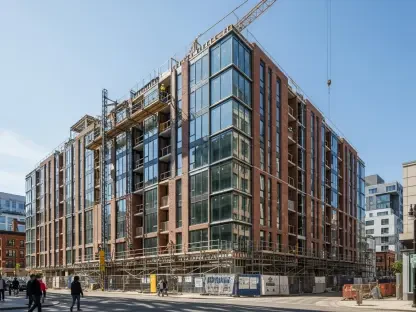

In a decisive move aimed at securing long-term affordable housing, the Langley City council has granted unanimous preliminary approval to a housing agreement for a contentious 302-unit rental apartment building. The project, proposed for land owned by the local Church of the Nazarene, has been a focal point of community debate, but this latest development centers on a binding commitment to affordability. The agreement stipulates that up to 30% of the building’s units must be rented at a rate 20% below the area’s market value, a provision designed to remain in effect for the entire lifespan of the structure. This push for affordability was underscored by a staff report revealing the target for below-market units was strategically increased from an initial 20% to the current 30% to enhance the project’s eligibility for crucial federal funding, thereby linking local development directly to broader national housing initiatives.
Navigating Legal Language and Community Concerns
Despite the unanimous outcome of the vote on the bylaw, the council meeting was not without its moments of scrutiny and debate, reflecting the project’s complex history. A key point of contention arose from the legal phrasing within the agreement itself. Councillor Leith White voiced significant concern over the term “shall endeavor,” describing it as “vague and noncommittal” and questioning its ability to legally bind the developer to the affordability terms. In response, the City’s Director of Development Services provided reassurance, explaining that such language is standard in legal contracts of this nature and that city staff were confident in their ability to enforce the commitment. This legal discussion took place against the backdrop of persistent community opposition. The proposed six-story building has previously faced strong resistance from area residents who felt its scale was incompatible with the character of the predominantly single-family neighborhood, adding another layer of complexity to the council’s deliberations.
A Strategic Vote for Future Affordability
The unanimous support for the housing bylaw revealed a layer of political strategy, particularly from council members who had previously opposed the development itself. Councillor Delaney Mack, who had voted against the project in earlier stages, clarified her position during the meeting. She explained that her affirmative vote on the bylaw was not an endorsement of the building but a pragmatic measure to safeguard a significant community benefit. Her rationale was to ensure that if the controversial project ultimately receives final approval and proceeds to construction, the critical below-market housing component is legally secured and permanent. This strategic move highlights a broader trend in municipal governance where officials must balance development pressures with the urgent need for affordable housing. The council’s decision effectively separated the issue of the building’s approval from the establishment of its affordability requirements, creating a legal framework that prioritizes accessible housing regardless of the final outcome of the development permit. This action has ensured that any future version of the project to be built on that site would be bound by these affordability covenants.