
Luca Calarailli is a prominent figure in the construction industry, where his expertise bridges the gap between high-level architectural design and the practical realities of infrastructure development. With a career dedicated to exploring how technological innovation can streamline building processes, he has become a leading voice on the necessity of integrating urban planning with core utility expansion. Today, we sit down with him to discuss the often-invisible barriers to homeownership, the critical role of federal funding in stabilizing housing costs, and how the modernization of our water and road systems is the only viable path toward long-term affordability for American families.
In this discussion, we explore the deep-seated connections between the physical foundations of our cities and the current housing crisis. We delve into the impact of permitting delays and aging sewer systems on the final price of homes, the urgent need for a multi-billion dollar federal commitment to transportation, and the vital importance of cultivating a new generation of skilled tradespeople to ensure that the infrastructure of tomorrow is built today.
Infrastructure projects like roads and water systems are often the primary bottleneck for new residential developments. How does a lack of core capacity impact the final price for a homebuyer, and what specific phases of home construction are most vulnerable to these infrastructure delays?
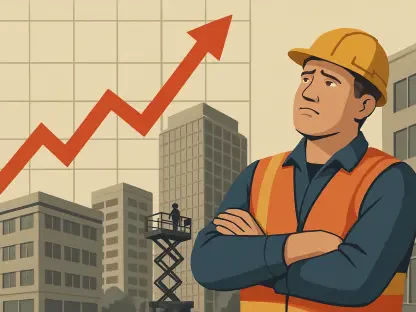
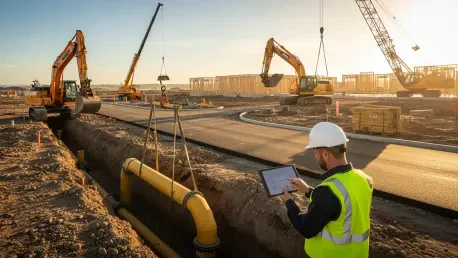
We often forget that before the first frame of a house goes up, there is an immense amount of work happening underground and on the pavement leading to the site. In fast-growing Sun Belt markets like Texas and Arizona, builders are hitting a wall because the existing road networks simply cannot absorb the traffic of a new neighborhood, often leading to projects being downsized or canceled. When developers are forced to wait 12 to 18 months just for water and sewer capacity, the interest on loans and the cost of holding that land skyrocket. These delays aren’t just administrative inconveniences; they are heavy financial burdens that are passed directly to the homebuyer or renter in the form of higher prices. Every month that a pipe isn’t in the ground is a month where the final price tag of that home climbs higher, making the dream of ownership feel further out of reach for those who need it most.
In high-growth regions, developers frequently face 18-month wait times for utility connections or road expansions. What specific steps can local municipalities take to shorten these approval windows to weeks instead of years, and how would this increased speed affect overall housing supply?
The current reality of waiting years for a basic utility connection is a systemic failure that requires a complete overhaul of how municipalities manage growth. We need to see a radical shift where local governments are equipped with the staffing and modern digital tools necessary to process permits in weeks rather than months or years. By cutting through the dense thicket of red tape and prioritizing the acceleration of water and sewer extensions, we can unlock the potential for thousands of new residential units that are currently stuck in limbo. If we can shorten these windows, builders can react to market demand in real-time, creating a more fluid housing supply that keeps prices stable. This isn’t just about efficiency; it’s about providing the literal foundation—the pipes and the pavement—that allows a community to grow and thrive without being choked by its own bureaucracy.
While significant federal investments have been made recently, inflation is currently reducing the actual purchasing power of those funds. Why is a multi-year, $600 billion commitment to surface transportation necessary right now, and what specific infrastructure categories should receive the highest priority to support housing?
We are standing at a critical crossroads because the federal funding that has fueled our recent progress is set to expire this September, and we cannot afford a lapse in momentum. While previous investments were historic, the harsh reality of inflation has significantly eroded the purchasing power of those dollars, meaning we can’t build as many miles of road or feet of pipe as we originally planned. A renewed $600 billion, five-year commitment is the only way to ensure that states can prioritize capacity in the high-growth corridors where housing demand is strongest. We must focus our resources on core infrastructure—roads, bridges, rail, and ports—to ensure that our transportation networks support the communities of tomorrow, not just the ones that exist today. This investment acts as a powerful multiplier, generating broader economic activity and property tax revenue that strengthens the entire nation.
A shortage of skilled tradespeople often stalls the expansion of the bridges and sewer lines that new neighborhoods require. What specific vocational training models or apprenticeship programs have proven most effective in building this workforce, and how does labor availability directly influence project timelines?
You can have all the funding in the world and the best blueprints ever drawn, but if you don’t have the boots on the ground to pour the concrete or weld the pipes, the projects will remain on paper. We need to establish a clear, robust pipeline that leads straight from high school to the jobsite, emphasizing that these trade careers are essential to the survival of the American economy. Effective models involve a mix of formal apprenticeships and vocational training that give young people the specialized skills needed to build modern bridges and complex water systems. When labor is scarce, project timelines stretch indefinitely, and the “Help Wanted” signs on construction sites become a silent signal of rising housing costs. By investing in American talent today, we are ensuring that we have the workforce capable of building the infrastructure that our future housing supply depends on.
Historically, massive investments in highway and water systems enabled a significant expansion of homeownership. How can modern policymakers better align current transportation planning with high-growth residential corridors, and what are the long-term economic risks of failing to link these two sectors in future legislation?
Following World War II, our leaders had a vision that linked the expansion of homeownership directly to a massive investment in highway and water infrastructure, creating the greatest expansion of the middle class in history. They understood that the American dream required a physical foundation, and we desperately need to return to that level of strategic thinking today. If policymakers fail to align transportation planning with where homes are actually being built, we risk creating isolated, unaffordable pockets of housing that are disconnected from economic opportunity. The long-term risk of this disconnect is a stagnant economy where workers cannot afford to live near their jobs and communities become fractured by lack of access. We must explicitly link infrastructure investment to housing supply in every piece of future legislation to ensure that our roads and pipes are paved toward a more prosperous and inclusive future.
What is your forecast for housing affordability?
My forecast is that housing affordability will remain a significant challenge unless we aggressively bridge the gap between infrastructure capacity and residential demand. If we successfully reauthorize federal funding and cut the permitting time for water and sewer lines down to weeks, we will see a surge in supply that naturally eases the pressure on prices. However, if we allow our roads to remain at capacity and our sewer systems to stay decades out of date, the cost of living will continue to climb as scarcity drives the market. The next five years are pivotal; with a $600 billion commitment and a renewed focus on workforce development, we can recreate the post-war boom in homeownership. Ultimately, affordability is not just a housing issue—it is an infrastructure issue that requires us to build the bones of our communities before we can expect to put roofs over people’s heads.