
Luca Calaraili is a distinguished authority in the construction sector, bringing a wealth of knowledge in architectural design and innovative building technologies. His career has been defined by a commitment to integrating modern efficiency with historical context, making him a pivotal voice in the evolution of large-scale residential developments. As the Chaulden Meadows project in Hemel Hempstead moves into its next phase, Luca provides a unique perspective on how urban expansion can honor local heritage while providing essential community infrastructure. In this discussion, we explore the integration of diverse community assets, the strategy behind significant affordable housing targets, and the architectural choices that define the character of West Hemel.
Integrating a 70-bed care home and a nursery alongside residential units often involves complex logistical planning. How do you ensure these community assets are ready for the first residents this summer, and what specific steps are taken to balance the needs of retail space with residential privacy?
Bringing a 70-bed care facility and a nursery to life alongside residential units requires a synchronized construction rhythm that prioritizes early infrastructure. To meet the deadline for our first residents this summer, we treat the 7,500 square feet of retail space and the community hall as the heartbeat of the site, ensuring the “shell and core” are completed well before the first keys are handed over. We manage the balance between public activity and residential privacy through strategic zoning and landscaping, using natural buffers to separate the commercial bustle from the quietude of the homes. It is about creating a permeable yet secure environment where a resident can walk to the nursery in minutes without feeling that the public realm encroaches on their front door. Our logistical maps are updated daily to ensure that the heavy machinery required for these larger structures doesn’t disrupt the peaceful transition of the families moving into the initial 155 homes.
Achieving a 40% affordable housing ratio requires significant coordination regarding shared ownership and social rent programs. What metrics do you use to measure the success of such mixed-tenure environments, and how does delivering 440 affordable units over the project’s lifespan impact the overall community’s economic growth?
The delivery of 440 affordable units is a cornerstone of our commitment to Hemel Hempstead, and we measure success through the seamless integration of these homes within the wider masterplan. We look closely at “tenure blindness,” ensuring that the red and buff brick craftsmanship of a social rent home is indistinguishable from a private four-bedroom house, which fosters a cohesive social fabric. By providing a mix of shared ownership and social rent through our Registered Provider partners, we are essentially building an economic ladder that allows young professionals and families to stay in the area they work in. This stability is a massive driver for local economic growth, as it ensures that the workforce for nearby businesses has high-quality, local housing. When 40% of your development is dedicated to affordability, you aren’t just building houses; you are securing the future labor market and consumer base of the Home Counties.
Using red and buff brick with gable-fronted elevations is intended to honor the post-war “New Town” heritage of the area. How do you modernize these traditional architectural styles to meet current sustainability standards, and which design elements were most critical for ensuring the development feels like a natural extension of West Hemel?
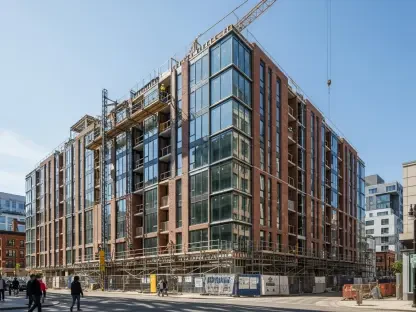
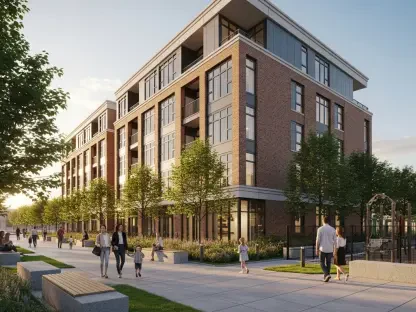
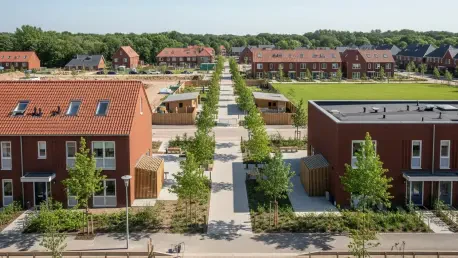
Honoring the 1947 “New Town” legacy meant looking back at the clean lines and sturdy materials of the post-war era and reimagining them through a high-performance lens. While the aesthetic relies on those iconic gable-fronted elevations and the warmth of traditional brickwork, the “bones” of the buildings are strictly 21st-century, featuring advanced insulation and air-tightness levels that far exceed historical standards. We found that the texture of the buff brick was critical for mirroring the existing character of West Hemel, ensuring the new structures didn’t look like an island but rather a long-awaited chapter of the neighborhood. By combining these familiar visual cues with modern sustainable drainage and energy-efficient building envelopes, we create homes that feel nostalgic but perform with the precision of a contemporary machine. It’s a delicate dance between maintaining that connected neighborhood feel and delivering the low-carbon footprint that modern residents demand.
With over £12.6 million committed to education, healthcare, and transport, how are these investments prioritized during the early construction phases? Could you walk through the timeline for delivering the sustainable drainage systems and public play areas to ensure they are functional as the first 155 homes are occupied?
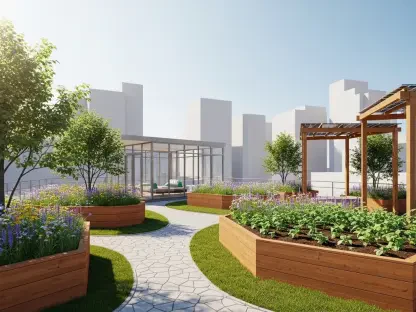
The £12.6 million investment is not a lump sum for the end of the project; it is a phased infusion of capital that starts the moment we break ground. We prioritize the sustainable drainage systems and new access roads during the very first phase because you cannot have a functional community without a robust environmental and transport foundation. As the first 155 homes reach completion, the public play areas and open spaces are being landscaped simultaneously so that children moving in this summer have immediate access to safe, green environments. These Section 106 contributions are legally and ethically tied to the occupancy levels, meaning as each roof goes on, the funding for local sports provision and healthcare facilities is unlocked to match the growing population. It is a rigorous timeline where the “soft” infrastructure of parks and the “hard” infrastructure of drainage must be operational before the first moving truck arrives.
Scaling a development to 1,100 homes requires managing a diverse range of floor plans, from one-bedroom apartments to five-bedroom houses. What specific market indicators influenced the decision to launch the first phase in February, and how do you adjust the construction schedule to meet the high demand for multi-generational housing?
Launching the first phase in February was a strategic move driven by a high volume of inquiries from families looking to relocate before the new school year, paired with a clear shortage of high-quality housing in the Hertfordshire corridor. We saw a specific “pent-up” demand for multi-generational living, which is why our 1,100-home masterplan scales from efficient one-bedroom apartments to expansive five-bedroom houses. To meet this demand, our construction schedule is designed with a “rolling completion” logic, allowing us to pivot resources toward the house types that show the fastest uptake in the market. By monitoring the reservation rates of our two-, three-, and four-bedroom homes closely, we can accelerate specific blocks to ensure we are providing the right variety of housing at the right speed. This flexibility is essential when you are operating at this scale; you have to be able to listen to the buyers and adjust your building sequence to reflect their actual needs.
What is your forecast for housing supply and community-led development in the Home Counties over the next decade?
I foresee a significant shift toward integrated, high-density New Town models where housing is no longer built in isolation from the services that support it. In the next decade, the Home Counties will likely see more developments like Chaulden Meadows that lead with infrastructure—investing millions upfront in education and transport—to gain the social license to build the thousands of homes required. We will see a greater emphasis on “cradle-to-grave” community planning, where care homes, nurseries, and diverse housing tenures coexist within a single walkable square mile. The era of the “dormitory suburb” is fading; the future belongs to self-sustaining neighborhoods that prioritize both economic growth and social well-being through a 40% or higher commitment to affordable delivery. Success will be defined by how well we can blend the heritage of our post-war towns with the aggressive sustainability and connectivity targets of the 2030s.