
The American residential real estate landscape has entered a period of profound restructuring where the traditional transaction-based model is no longer sufficient to meet the needs of a modern, inventory-starved market. As persistent supply shortages and historic affordability pressures redefine the path to homeownership, real estate professionals are forced to abandon their roles as simple facilitators of sales. Instead, they are evolving into highly specialized consultants who must navigate a terrain where finding a home requires far more creativity and strategic planning than in previous decades. This shift is not merely a reaction to current economic headwinds but a fundamental transformation of the agent’s value proposition in 2026. Industry leaders emphasize that the modern agent must now serve as a versatile advisor, capable of identifying unconventional opportunities and guiding clients through an increasingly complex financial and logistical environment.
Diversifying Inventory Through Nontraditional Housing
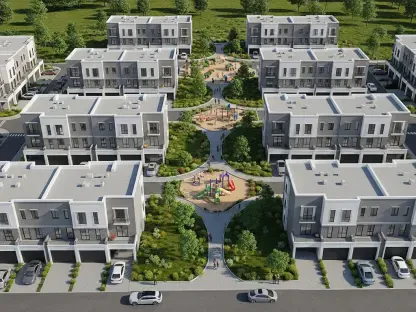
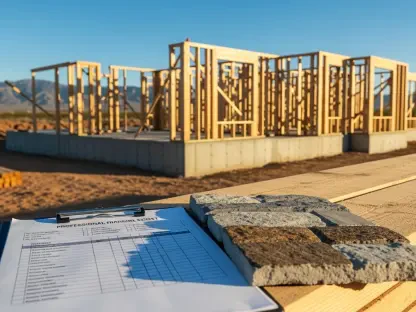
The chronic shortage of traditional single-family homes has prompted a significant expansion of the real estate agent’s expertise into nontraditional housing sectors that were previously considered niche. Industry leaders, including the president of Century 21, argue that the solution to inventory constraints lies in broadening the definition of what constitutes a “home” for the average buyer. Agents are now expected to possess deep knowledge of alternative options such as accessory dwelling units, modular construction, and tiny houses to unlock new pathways for their clients. By mastering these diverse construction methods and alternative living arrangements, professionals can provide creative solutions that bypass the logjams found in the traditional suburban market. This versatility allows agents to remain relevant in a landscape where the standard housing stock is increasingly elusive for a large portion of the population.
This evolution requires a commitment to continuous education regarding local zoning laws and the logistical requirements of nontraditional builds. Agents who successfully pivot to this consultant-based approach are finding that their value is no longer tied strictly to the accessibility of the Multiple Listing Service but to their ability to manufacture opportunities where none seem to exist. As they navigate the complexities of alternative housing, they act as essential guides for buyers who are open to innovative living solutions but lack the technical knowledge to execute such a purchase. The move toward modular and accessory units represents a broader trend of densification and creative land use that modern agents must champion to stay competitive. Consequently, the successful professional of 2026 is one who views every piece of property not just for what it currently is, but for its potential to house multiple families.
Redefining Professional Identity: The Advisory Transition
The professional identity of the American real estate agent is currently shifting from a transactional “door-opener” to a high-level strategic advisor who manages real estate as a critical component of a larger financial portfolio. This transition, highlighted by specialists in family office divisions, suggests that the relationship between an agent and their client is becoming more sustained and holistic over time. Rather than focusing on a one-time commission, top-tier professionals are adopting a service model that mirrors that of a wealth manager or legal consultant. This approach involves a deeper level of engagement, where real estate decisions are made with a long-term strategic view of the client’s overall financial health. As buy-side transactions become more difficult to finalize due to high costs, agents are finding that their value lies in their ability to provide ongoing guidance.
Building on this advisory foundation, professionals are becoming adept problem-solvers who must navigate complex financial landscapes to ensure their clients’ success. Industry experts emphasize that the hurdles of the current market have made the role of the agent more critical than ever, as they must now offer innovative solutions to overcome affordability barriers. This involves not only finding properties but also advising on creative financing, managing rental portfolios, and understanding the long-term tax implications of various real estate assets. By positioning themselves as essential partners in wealth creation, agents are moving away from the “simple transaction” era and into a phase defined by expertise and trust. This professionalization of the role ensures that the agent remains an indispensable part of the American economic fabric, providing the strategic oversight required in a volatile market.
Supporting Future Homeowners and Policy Integration
Recent data indicates a notable rise in renter-occupied households, creating an “aspirational gap” where many citizens desire homeownership but find it currently unattainable. Despite these financial barriers, industry veterans point out that the desire for homeownership among younger generations remains incredibly strong, with a vast majority of Gen Z still aspiring to own property. In response, forward-thinking brokerages are refocusing their efforts on treating renters as long-term prospective clients rather than temporary occupants. By providing the necessary education and financial support early in the process, agents are helping to bridge the gap between renting and owning. This proactive engagement ensures a pipeline of future buyers who are well-prepared for the complexities of the market, effectively turning the current rental trend into a temporary delay rather than a permanent shift.
The industry also recognized the necessity of participating in legislative progress to address the underlying causes of the housing crisis. Professionals closely monitored efforts such as the 21st Century ROAD to Housing Act, which was designed to expand supply and ease the burden on first-time buyers. Real estate leaders advocated for precise legislative language to ensure that new policies would effectively encourage capital investment without creating unintended consequences for the market. By the end of the recent legislative sessions, the consensus among real estate professionals was that a multifaceted approach was required to sustain the American dream. Agents successfully transitioned into roles as comprehensive lifestyle and financial strategists who leveraged technology and policy knowledge. This evolution ultimately ensured that the professionals remained at the center of the housing market, providing the guidance needed for future generations.