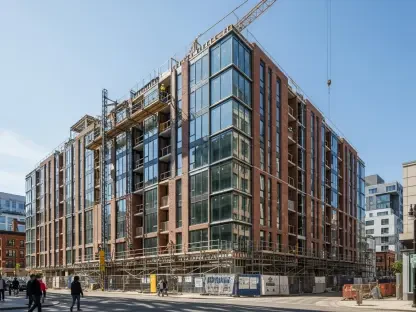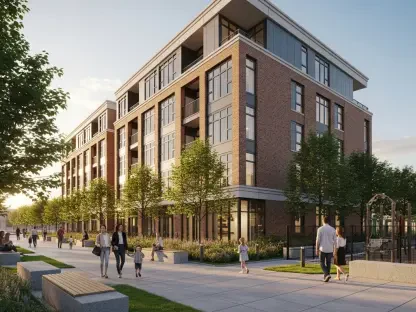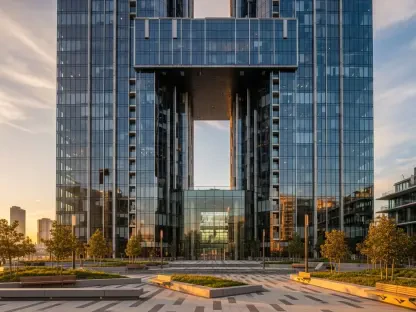

In the heart of Vancouver’s vibrant Fairview neighborhood, a 28-storey tower at 2538 Birch St. is undergoing a transformation that could redefine urban development with a deeply human focus. Originally slated to address the city’s pressing housing shortage as a rental project with 258 units, this nearly finished high-rise is pivoting to become the Dunna’eh House of Healing—a facility dedicated to providing temporary medical accommodations for Indigenous individuals and families seeking care in Vancouver. Situated in the Central Broadway corridor, just steps from critical healthcare centers like Vancouver General Hospital, this shift isn’t just about repurposing space; it’s about responding to systemic disparities in healthcare access and cultural safety for Indigenous communities. With construction already 90% complete and a full unveiling expected by early 2026, the project stands as a bold testament to the power of adaptation in the face of evolving societal needs. This narrative unfolds as a story of change, weaving together threads of urban planning, cultural sensitivity, and healthcare equity in a city known for its complex challenges.
Redefining Urban Priorities Through a New Mission
The tower’s original blueprint promised a significant contribution to Vancouver’s rental stock, with 200 market units and 58 moderate-income homes under the city’s Moderate Income Rental Housing Pilot Program. Backed by a hefty $164-million low-cost loan from BC Housing alongside private investment, it was positioned as a cornerstone in tackling the housing crisis that grips the region. However, a recent rezoning application has dramatically altered this trajectory. While the 58 affordable units remain intact, the majority of the building—those 200 market rentals—will now serve as temporary stays for Indigenous patients and families traveling for medical treatment. This isn’t merely a change in function but a profound reimagining of what a building can mean to a community often marginalized in urban and healthcare systems. The decision reflects a growing recognition that not all needs can be met with housing alone, especially when cultural and medical barriers loom large.
Moreover, this pivot stems from a powerful collaboration with the First Nations Health Authority (FNHA), an organization committed to improving health outcomes for Indigenous peoples. The Dunna’eh House of Healing, as it’s aptly named, aims to be more than a place to stay—it’s envisioned as a sanctuary of dignity and cultural safety. As highlighted by FNHA’s vice-president Katie Hughes, many Indigenous individuals face systemic racism and alienation when accessing healthcare far from home. Providing affordable, supportive accommodations addresses these challenges head-on, offering a space where healing can begin even before treatment does. This partnership signals a shift in how urban spaces can serve specific, underserved populations, setting a potential precedent for future projects to balance competing demands with compassion and purpose.
A Strategic Haven Near Healing Centers
One of the tower’s standout features is its prime location, nestled just two blocks from the forthcoming SkyTrain South Granville Station and within easy reach of Vancouver General Hospital and BC Cancer Centre. For Indigenous families traveling long distances for diagnosis or treatment, this proximity isn’t just convenient—it’s a lifeline. The building’s units, which range from compact studios to spacious three-bedroom layouts, are designed with extended stays in mind. Equipped with full kitchens, in-suite laundry, and multiple bathrooms in larger configurations, these spaces offer a level of comfort and practicality that standard hotel rooms often lack. This attention to detail ensures that families can maintain a semblance of normalcy during stressful medical journeys, turning a temporary stay into a supportive home base.
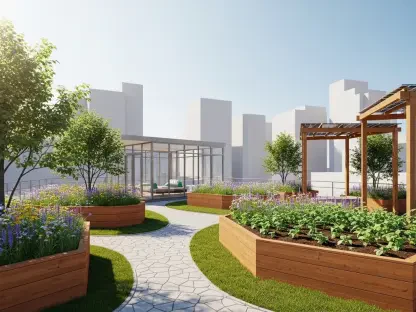
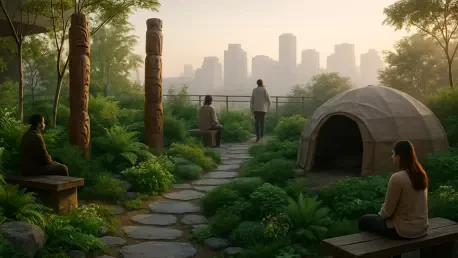
Beyond the functional design of individual units, the Dunna’eh House of Healing goes further with amenities tailored specifically to the needs of its intended residents. Imagine gathering spaces for community workshops, outdoor healing gardens for quiet reflection, and even a traditional sweat lodge to honor cultural practices. Add to that an on-site childcare facility for parents attending appointments and a comprehensive health clinic offering services like vision care, dental treatment, mental health support, and cultural wellness programs, and the vision becomes clear. This isn’t just accommodation; it’s a holistic environment where physical, emotional, and cultural healing intertwine. Such features underscore the project’s commitment to addressing not just where people stay, but how they feel while navigating some of life’s toughest moments.
Balancing Urban Needs Amid Complex Trade-offs
This transformation arrives at a time when Metro Vancouver faces a dire shortage of hotel rooms, with estimates pointing to a need for an additional 20,000 to meet demands fueled by tourism, medical visits, and tightened restrictions on short-term rentals. The tower’s new focus on longer-term, family-friendly medical stays fills a critical gap, particularly for those requiring extended care who find typical lodging options inadequate. However, this shift comes at a cost to the city’s rental housing supply, a resource still desperately needed amidst affordability woes. Reducing the number of market rental units in a region grappling with high living costs raises tough questions about how to prioritize competing needs. It’s a reminder that innovative solutions often involve difficult trade-offs, and urban planning must navigate these with agility and foresight.
Looking back at the project’s journey adds another layer of complexity to this narrative. When first approved as a 17-storey structure several years ago, it faced significant community opposition over its height and scale. Revised later to 28 storeys after intense public hearings, it secured a narrow approval and even an exemption from a rezoning moratorium during the development of the Broadway Plan. Once heralded as a key player in bolstering rental supply, it now finds itself surrounded by even taller structures as the city’s skyline evolves. This history reflects the rapid pace of change in Vancouver’s urban fabric, where policies and priorities shift almost as quickly as the buildings rise. The tower’s latest iteration, though diverging from its initial intent, mirrors a broader trend of adaptability in responding to immediate, pressing needs over long-term plans.
Cultural Integration as a Cornerstone of Design
Even as the tower’s purpose has evolved, its commitment to honoring cultural significance remains steadfast. A striking public art tile mosaic created by Musqueam First Nation artist Debra Sparrow graces the corner plaza, extending up to the 17th level as a visual tribute to Indigenous heritage. Designed by the architectural firm Arcadis, the building’s exterior form and density have stayed consistent through these programmatic changes. Internally, though, spaces are being carefully adjusted to align with the new focus on Indigenous medical care. Retail and amenity areas are being rethought to better support this mission, blending practical adaptation with a deep respect for cultural identity. This integration ensures that the building doesn’t just serve a function but tells a story of inclusion and recognition.
Furthermore, this emphasis on cultural elements isn’t just aesthetic—it’s foundational to the project’s ethos. The design choices reflect an understanding that healing for Indigenous communities often extends beyond physical treatment to encompass spiritual and communal dimensions. By embedding these values into the very structure of the Dunna’eh House of Healing, the project acknowledges past oversights in urban and healthcare systems that have often ignored such needs. This approach could inspire other developments to consider how architecture and planning can actively contribute to reconciliation and equity. As Vancouver continues to grow and grapple with its identity, initiatives like this offer a glimpse into how spaces can be shaped to heal not just bodies, but histories and relationships too.
Pioneering a Path for Future Healing Spaces
Reflecting on the journey of 2538 Birch St., it’s evident that this project carved a unique path through Vancouver’s urban challenges. What began as a response to housing scarcity adapted into a beacon for healthcare equity, driven by a partnership with the First Nations Health Authority that prioritized cultural safety. The tower’s proximity to major medical facilities and its thoughtfully designed amenities tailored for Indigenous families showcased a model of care that went beyond mere accommodation. Its history of contention and rezoning mirrored the city’s broader struggles with growth and policy, yet it emerged as a symbol of flexibility and purpose.
Looking ahead, this transformation laid groundwork for actionable progress in urban planning and social equity. Developers and policymakers could draw inspiration to explore similar hybrid models, blending housing with specialized care facilities to address niche but vital needs. Collaborations with community organizations like FNHA might become a blueprint for ensuring cultural relevance in future projects. Additionally, city planners should consider frameworks that allow for such adaptive reuse while safeguarding housing goals, perhaps through incentives or zoning innovations. The story of the Dunna’eh House of Healing nudged the conversation forward, urging a reevaluation of how buildings can serve as agents of healing and inclusion in increasingly complex urban landscapes.