
The presence of a cashmere or wool-blend throw at the foot of the bed allows guests to customize their sleep experience without the awkwardness of asking for extra supplies. Preparing a home for the influx of visitors during the winter season requires more than just a surface-level cleaning; it necessitates a comprehensive approach to hospitality that anticipates a traveler’s physical and emotional requirements. As homeowners look toward the coming months, the objective remains to transform often-neglected spare bedrooms into curated sanctuaries that offer a distinct sense of privacy and luxury. This shift from a “spare room” mentality to a “guest suite” philosophy involves a strategic evaluation of the sleep environment, lighting, and utility. By prioritizing the psychology of comfort, you can create a space that not only provides shelter but also acts as a restorative haven amidst the holiday chaos. The transition from a utilitarian multipurpose room to a high-end retreat is achieved through specific, intentional design choices that signal to guests that their presence was not only expected but truly valued.
Investing in Premium Bedding for Restful Sleep
The quality of rest is the most critical component of a guest’s stay, particularly during the exhausting travel season characterized by long flights and busy social calendars. To recreate the feel of a high-end boutique hotel, interior designers in 2026 increasingly recommend using “long-staple” fibers, specifically high-thread-count cotton percale. This material is prized for its crisp, breathable, and cool properties, which accommodate various sleeping preferences and body temperatures. When these linens are paired with a premium down or high-loft down-alternative comforter, the bed is transformed into a cloud-like centerpiece that anchors the entire room. Investing in quality inserts is just as important as the sheets themselves, as the weight and loft of the bedding contribute significantly to the guest’s ability to get deep, restorative sleep in an unfamiliar environment. Ensuring that every layer of the bed feels substantial and high-quality sets a foundation for comfort that defines the entire experience of the stay.
To avoid the sterile and impersonal atmosphere often found in traditional hotels, the modern guest room should embrace a “collected” aesthetic rather than a rigid, matching bed-in-a-bag set. By intentionally mixing different prints, textures, and patterns—such as layering a block-printed quilt over simple white linen sheets—you create a space that feels individual, curated, and lived-in. This approach adds a layer of visual warmth and personality that makes a visitor feel like they are staying in a home rather than a commercial facility. Furthermore, the inclusion of a secondary warmth layer, such as a heavy knit blanket or a cashmere throw, serves a vital functional purpose beyond its decorative appeal. It provides the guest with the autonomy to adjust their own micro-climate throughout the night. This level of preparation ensures that guests never have to navigate a dark hallway or disturb the host to find extra covers, fostering a sense of independence and ease during their holiday visit.
Enhancing Space and Utility With Mirrors
Mirrors are essential tools that serve both practical and aesthetic functions within a guest suite, yet they are frequently overlooked during the renovation process. A full-length mirror is considered a non-negotiable addition for any guest room in 2026, as it allows visitors to dress and prepare for holiday events within the privacy of their own quarters. This is especially important during the holidays when guests may be wearing more formal attire or complex layers that require a full-body check. If floor space is limited in a smaller room, designers suggest mounting a high-quality mirror on the back of a closet door or integrating it into existing cabinetry. This maintains the room’s functionality without adding physical clutter, ensuring that guests feel fully equipped to prepare for their day without having to compete for mirror time in a shared bathroom or a common hallway.
Beyond their utilitarian role for grooming and dressing, mirrors are strategic architectural assets that can dramatically improve the perceived dimensions of a room. Placing a decorative mirror above a dresser or a desk creates a makeshift vanity, providing a dedicated surface for jewelry, cosmetics, and personal items. This placement is particularly effective because it catches and bounces natural light throughout the space, which is invaluable in guest rooms that may be located in basements or north-facing corners of the home. In multi-purpose “office-guest room” hybrids, the strategic use of reflective surfaces helps the room feel more expansive and airy, moving it away from the cluttered feeling of a workspace toward the refined ambiance of a guest suite. By carefully selecting frames that complement the room’s decor, such as antiqued brass or minimalist wood, mirrors become intentional design elements that elevate the overall sophistication of the sanctuary.
Controlling Light With Sophisticated Window Treatments
Window treatments are a vital element for managing both light and privacy, yet they are often the most neglected feature in guest bedrooms. A professional design approach in 2026 utilizes a sophisticated two-layer system to provide the guest with total autonomy over their environment. The primary layer should feature high-density blackout capabilities, which are essential for guests who may be crossing multiple time zones or those who simply wish to sleep in during their vacation. Without effective light blocking, a guest’s sleep cycle can be easily disrupted by early morning sun or streetlights, leading to a less-than-ideal stay. By providing the means to create a completely dark environment, the host demonstrates a deep understanding of the guest’s physiological needs. This level of control is a hallmark of luxury hospitality and significantly enhances the perceived value of the accommodations.
From a stylistic perspective, drapery helps “finish” a room by providing a vertical softening element that balances the hard lines of beds, dressers, and nightstands. The choice of fabric can set the entire mood of the room; for instance, heavy velvet adds a sense of warmth and acoustic insulation, while classic linen provides a relaxed and organic feel. A secondary, light-filtering sheer layer is also recommended, as it offers privacy during the day while still allowing soft, diffused sunlight to enter the space. This ensures that guests can leave the curtains open for light without feeling exposed to the outside world. Whether choosing a patterned Roman shade or floor-to-ceiling panels, these window treatments help transition the space from a temporary spare room into a permanent, thoughtfully considered suite. This investment ensures that the room remains comfortable, private, and visually cohesive at any hour of the day or night.
Designing a Layered and Inviting Lighting Scheme
To create a truly inviting atmosphere for holiday visitors, it is necessary to avoid harsh, overhead lighting which can make a space feel clinical and uninviting. Instead, modern interior design favors a “layered” lighting scheme that distributes various light sources at different heights and intensities throughout the room. This approach adds depth and warmth, making the space feel intimate and welcoming rather than cold. Ambient lighting should be supplemented by task lighting and accent lighting to define different functional areas, such as a cozy armchair for reading or a desk for catching up on messages. By providing multiple options, the host allows guests to set the mood that best suits their activities, whether they are winding down for the evening or getting ready for a festive dinner.
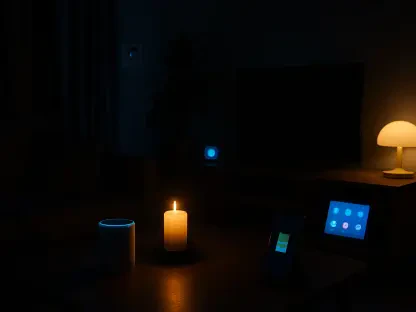
Bedside lighting remains the highest priority in any guest room lighting scheme, as convenience is a key factor in luxury hospitality. Guests should always be able to turn off the lights without having to leave the warmth and comfort of the bed. This can be achieved through the use of stylish table lamps, wall-mounted sconces, or even low-hanging pendants that free up valuable space on the nightstand. It is equally important to consider the “temperature” of the light bulbs used; in 2026, warm, soft-white bulbs are the standard for creating a relaxing, amber glow that mimics candlelight. Additionally, installing dimmer switches or using smart bulbs allows for even greater customization of the ambiance. These small technological integrations provide a high level of comfort, ensuring that the lighting is always perfectly tuned to the guest’s personal preferences and the time of day.
Providing Practical Storage for a Multi-Day Stay
A guest can never truly feel at home or relaxed if they are forced to live out of a suitcase on the floor for the duration of their stay. Providing dedicated storage is an essential component of professional hospitality, even in smaller rooms where a full-sized closet may not be available. If a dresser is unavailable, hosts should consider installing high-quality wall hooks or a sleek, freestanding clothes rack to provide space for hanging formal holiday attire, heavy winter coats, and delicate garments. Using decorative hardware, such as solid brass or wooden hooks, ensures that these functional additions contribute to the room’s overall aesthetic rather than looking like an afterthought. Providing a few empty hangers is a simple yet impactful gesture that allows guests to immediately unpack and feel settled.
An end-of-bed bench or a sturdy ottoman serves a vital logistical purpose by providing a dedicated surface for luggage and travel bags. This keeps suitcases off the floor and at a comfortable height, making it significantly easier for guests to access their belongings throughout the day. In many 2026 designs, these benches also include internal storage compartments, which can be used to discretely house extra pillows, blankets, or even a small basket of amenities like slippers and robes. This dual-purpose furniture helps streamline the organization of the room while maintaining a clean and uncluttered look. By providing these specific areas for storage and organization, the host effectively removes the friction associated with travel, allowing the visitor to transition smoothly from a transient traveler to an honored guest who has a clearly defined place within the home.
Future Considerations for the Evolving Guest Suite
The most successful hosting strategies in recent seasons prioritized guest independence through meticulous spatial planning and empathetic design choices. Designers found that by integrating foundational elements—ranging from high-quality percale bedding to sophisticated layered lighting—they effectively eliminated the common friction points that often marred the travel experience. Homeowners who moved away from generic, matched sets toward a more personal and collected approach observed that their visitors felt more relaxed and more deeply integrated into the household’s unique rhythm. The emphasis shifted from merely providing a place to sleep to creating a comprehensive sensory environment that accounted for light, sound, and tactile comfort. These improvements transformed the guest quarters into a destination in their own right, reflecting a broader trend toward more thoughtful and residential hospitality.
Future considerations for the holiday guest room began to lean heavily into localized control and personalized amenities that mirrored the convenience of modern technology. Hosts discovered that providing simple tech integrations, such as accessible charging stations and dimmable lighting, allowed guests to maintain their personal routines without interruption. However, the core principles of comfort remained grounded in traditional elements like high-quality linens and adequate storage, proving that the human element of hospitality was still paramount. Ultimately, the transformation of the guest bedroom functioned as a testament to the host’s attention to detail, turning a temporary holiday stay into a lasting memory of warmth and genuine care. These strategic upgrades offered a clear roadmap for anyone looking to elevate their hospitality standards, ensuring that every visitor departed feeling restored, valued, and truly welcomed.