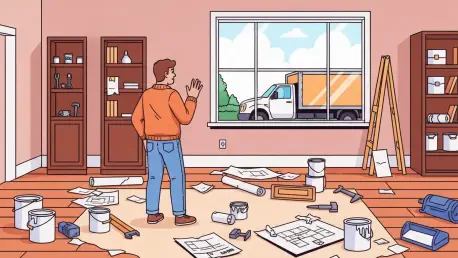

Imagine hiring a contractor to renovate your dream kitchen, only to watch them vanish after taking a hefty deposit, leaving behind a half-finished mess and a stack of unpaid bills from subcontractors who now threaten to put a lien on your property. This nightmare scenario is all too common for homeowners who have poured their savings into home improvement projects. Complaints about contractors abandoning jobs or mismanaging funds consistently rank among the top grievances reported by consumers. Many have lost thousands of dollars, and some have even faced legal battles over liens they didn’t see coming. However, there’s a powerful tool that can shield homeowners from such financial disasters—a contractor’s affidavit. This often-overlooked document can bring transparency to the payment process and safeguard against unexpected claims. By understanding its value and knowing how to use it, homeowners can take control of their projects and protect their most valuable asset.
1. Understanding the Power of a Sworn Statement
A contractor’s affidavit is more than just paperwork; it’s a sworn statement that forces transparency into the murky world of construction payments. This legal document requires the contractor to list every subcontractor and supplier involved in a project, along with confirmation of whether each has been paid in full. Why does this matter? Unpaid subcontractors can file liens against a homeowner’s property, even if the general contractor has already received payment. This means a homeowner could end up paying twice for the same work. With an affidavit, the risk of such surprises diminishes significantly. It provides a clear record of who is owed what and offers the option to pay subcontractors directly if needed, ensuring no liens sneak up. Experts note that many homeowners aren’t even aware this protection exists. By requesting this document before making a final payment, the power shifts back to the property owner, creating a safety net against financial traps hidden in incomplete or dishonest transactions.
2. Taking Action When Things Go Wrong
Unfortunately, even with precautions, some contractors may still take a deposit and disappear, leaving a project unfinished. When this happens, knowing the right steps to take can make all the difference in recovering losses. Consumer advocates suggest starting with a certified letter to the contractor, demanding either completion of the work or a full refund. If there’s no response within 30 days, state laws in places like Florida may deem this a violation, opening the door to further action. Homeowners can then file a formal complaint with the appropriate licensing agency or pursue legal recourse. Moreover, any changes to the project scope or payment terms should always be documented in writing, as verbal agreements can easily be disputed. As Delroy Aiken from Broward County’s Contractor Licensing and Enforcement Division pointed out, most people trust a contractor’s word without securing written proof. Reflecting on past cases, those who took these steps often stood a better chance of resolution, learning that vigilance and documentation were their strongest allies in reclaiming control.