
The modern Homeowners Association has undergone a profound transformation, evolving far beyond its traditional perception as an enforcer of aesthetic uniformity and a collector of dues. These organizations are now increasingly integral to the very fabric of their neighborhoods, assuming multifaceted roles that address the complex demands of contemporary community living. As resident expectations have grown, HOAs have stepped up to become the central organizational backbone for their communities, expanding their responsibilities to encompass critical areas such as proactive safety coordination, comprehensive infrastructure oversight, and strategic long-term property management. This significant shift reflects a broader societal trend where planned communities look to a centralized body for leadership, planning, and collective action in navigating both daily operational needs and significant long-term challenges, fundamentally redefining what it means to be a governing body for a residential area.
The Shift from Aesthetic Curation to Active Guardianship
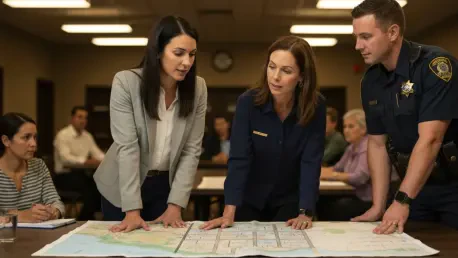
A pivotal theme in the evolution of HOAs is their transition from being primarily reactive enforcers of covenants to becoming proactive coordinators of community-wide safety. Historically, their focus was narrowly defined, centering on the maintenance of common areas, the approval of architectural modifications, and the management of landscaping to preserve a uniform aesthetic. However, the complexities of modern life have necessitated a dramatic expansion of this role. Today, many associations are at the vanguard of shaping and implementing community safety practices. This includes orchestrating robust neighborhood watch programs to foster a culture of collective vigilance, facilitating regular meetings with local law enforcement to address specific security concerns, and actively supporting the development of comprehensive emergency response plans. This new mandate is not seen by residents as an optional add-on but as a foundational element of effective and responsible neighborhood planning.
This expanded safety-oriented role extends into the management of critical security infrastructure, a responsibility that was once the sole domain of individual homeowners or municipal services. HOAs now frequently oversee the installation and maintenance of adequate lighting in common areas, manage sophisticated access-control systems for gated communities, and coordinate contracts with third-party security providers to ensure consistent patrols and rapid response. They also serve as a vital communication conduit, disseminating crucial safety tips and alerts to residents. This expectation for a centralized body to represent collective safety concerns has grown from the need for an organized, unified voice that can effectively advocate with local authorities and service providers, ensuring that the community’s security needs are met in an increasingly interconnected and sometimes unpredictable world, solidifying the HOA’s position as a guardian of resident well-being.
Preserving Value Through Proactive Asset Management
There is a powerful and direct correlation between the proactive property management practices of an HOA, the overall quality of life for its residents, and the long-term stability of property values. Communities that benefit from well-managed infrastructure, transparent and consistent communication, and active engagement in safety and maintenance tend to cultivate stronger reputations. This positive perception, in turn, supports more stable and desirable real estate values, making the neighborhood a more attractive place to live and invest. HOAs play a pivotal role in this dynamic by upholding the standards that foster community cohesion and appeal. Their responsibilities have grown to include the regular and preventative maintenance of shared facilities such as walkways, streetlights, and recreational areas, ensuring strict adherence to all local building and safety codes, and making strategic investments in preventative upkeep to avoid costly future repairs and liabilities.
The economic impact of this proactive stance is significant, as timely action by an HOA is crucial for preventing minor concerns from escalating into major liabilities that could detract from the neighborhood’s appeal and financial health. Addressing issues like a broken streetlight, a damaged sidewalk, or deteriorating playground equipment before they become serious problems demonstrates a commitment to resident safety and community pride. This meticulous attention to detail is not merely anecdotal; it is a trend increasingly recognized in real estate industry reporting and academic analyses of neighborhood dynamics. A well-run HOA that invests wisely in its community’s infrastructure is not just managing assets; it is actively building and protecting the financial equity of every homeowner within its jurisdiction, underscoring its essential role in the economic vitality of the community.
The Emergence of Centralized Communication Networks
One of the most significant evolving roles for HOAs is their function as a central facilitator of communication, a capability that has become especially critical during emergencies. In regions prone to natural disasters such as hurricanes, floods, wildfires, or severe storms, the ability of an HOA to rapidly disseminate real-time updates, preparedness guidance, and critical instructions can be vital to resident safety and well-being. To effectively fulfill this role, many associations have developed and invested in robust, multi-channel communication systems. These often include comprehensive email distribution lists, sophisticated mobile alert systems that can send text messages directly to residents’ phones, and dedicated community social media platforms where information can be shared and discussed in real time. This infrastructure serves as a powerful and essential complement to official municipal messaging during critical moments of crisis.
During an emergency, these communication channels are activated to help residents find the nearest shelters, understand designated evacuation routes, and access essential post-event resources for recovery and rebuilding. The importance of this function is consistently validated by public safety agencies like the Federal Emergency Management Agency (FEMA), which emphasize that coordinated community engagement and clear communication are central pillars in reducing the impact of disasters and promoting long-term resilience. By establishing and maintaining these networks, an HOA does more than just relay information; it fosters a sense of collective preparedness and mutual support among neighbors, transforming a collection of individual households into a cohesive and resilient community capable of facing adversity together. This role has become a cornerstone of modern community management.
Charting a Course for Adaptive Community Governance
The transformation of Homeowners Associations into multifaceted governing bodies marked a new era in community management. Their expanded mandate, which moved far beyond simple rule enforcement, established a framework where proactive safety, strategic asset management, and centralized communication became standard expectations. This evolution was not without its challenges, as boards had to learn to balance diverse resident priorities with their fiduciary and legal responsibilities through enhanced transparency and engagement. The successful integration of technology for payments, communication, and management streamlined operations and improved resident services, while stronger partnerships with local government agencies created a more cohesive approach to public safety and infrastructure maintenance. These developments ultimately led to the professionalization of community governance, creating more resilient, secure, and valuable neighborhoods. The most adaptive associations of this period were those that fostered a continuous dialogue with their residents, ensuring that the collective goals of the community aligned with the broad spectrum of individual homeowner preferences.