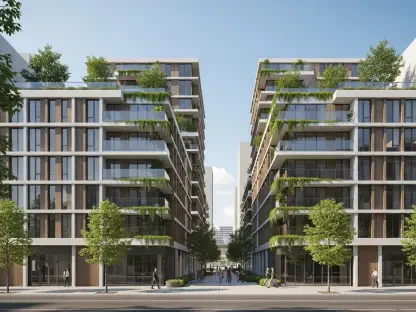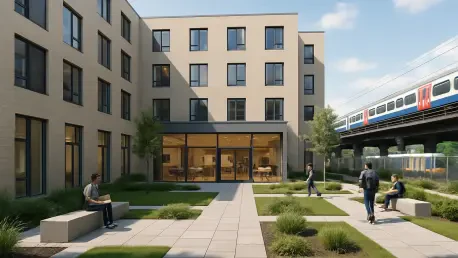

The recent green light for a major redevelopment near Waterloo signals a transformative shift in how international developers approach the chronically undersupplied London residential market. As commercial players diversify, the Lambeth Council’s Planning Applications Committee granted approval to HB Reavis for its first purpose-built student accommodation (PBSA) at 10 Leake Street. Traditionally known for high-end workspaces, the developer is now targeting the “living” sector to align with evolving urban demands.
The Evolution of HB Reavis and the Rise of Purpose-Built Student Accommodation
Historically, HB Reavis focused on premium offices that prioritized modern design. However, the current landscape necessitates a versatile approach to urban density. While offices remain vital, the student housing market has emerged as a resilient asset class with high growth potential. In London, the gap between enrollment and available beds is wide. By converting an underutilized office site near a transit hub, the developer is addressing a structural shortage while de-risking its investment portfolio.
Architectural Innovation: The Integration of Modern Student Life
Merging Industrial Heritage: Sustainable Modernity
The vision for 10 Leake Street, crafted by PLP Architecture, bridges the gap between South Bank’s industrial past and sustainability goals. The plan replaces a stagnant office block with 233 rooms, offering a blend of private studios and social cluster flats. Using low-carbon materials and energy-efficient systems, the project meets strict environmental standards. This ensures the building functions as a durable asset that complements the neighborhood while reducing the overall carbon footprint of the Waterloo district.
Strategic Connectivity: Academic Partnerships
Location is the most significant factor for this project’s viability, sitting just 50 meters from London Waterloo Station. This provides students with direct links to the city’s educational core. The London School of Economics and Political Science endorsed the scheme, emphasizing that proximity to campus is a deciding factor for global talent. Furthermore, the inclusion of affordable units promotes socioeconomic diversity, ensuring central London remains viable for a wide range of students.
Enhancing Wellbeing: Holistic Amenity Design
Modern student housing has transitioned from basic dormitories to centers of holistic wellness. The 10 Leake Street project integrates extensive communal areas designed to support mental health. Features such as a fitness studio, dedicated study zones, and a rooftop terrace with views of the Thames cater to a generation that values balance. These amenities, alongside practical features like secure bike storage, create a lifestyle-oriented environment that goes beyond mere accommodation.
Future Trends: Repurposing Urban Assets in Global Academic Hubs
This approval highlights a broader trend toward repurposing “stranded” or obsolete office buildings into high-demand residential spaces. As corporate needs become more specialized, older structures often fail to attract traditional tenants. Meanwhile, the global appetite for higher education remains robust, putting pressure on city centers. More developers will likely pivot toward the student sector, favored by regulatory frameworks that support sustainable reuse over demolition.
Best Practices: Navigating the Transition to Residential Development
For stakeholders aiming to replicate this model, several strategies are essential. Prioritizing sites near major transit and academic hubs ensures long-term occupancy. Engaging with local councils and universities early helps secure the political support needed for complex rezonings. Additionally, embedding ESG principles from the initial design phase is now a requirement for attracting capital. A flexible architectural approach that allows for both private and collaborative spaces remains key to staying competitive.
Securing a Foothold: London’s Changing Real Estate Landscape
The successful navigation of the planning process for 10 Leake Street established a new benchmark for how legacy commercial developers adapted to market shifts. HB Reavis proved that repurposing urban assets served both economic and social goals by filling a critical housing gap. The project moved beyond simple construction to address the long-term infrastructure needs of London’s elite academic institutions. This strategic move provided a roadmap for future urban redevelopments focused on sustainability and high-density living in global hubs.