
The American construction and industrial sectors are currently navigating a profoundly complex landscape defined by competing pressures that include persistent economic uncertainty, stubborn inflation, and significant workforce shortages. According to a recent Deloitte outlook focused on the manufacturing industry, these formidable challenges are now being amplified by the relentless and accelerating pace of digital transformation. The central thesis emerging from this analysis is that the technological and operational trends reshaping manufacturing are no longer abstract or distant concerns for construction and heavy industry; they have become immediate, tangible realities that directly influence every facet of their operations. This influence extends from equipment procurement and material costs to project timelines, competitive positioning, and long-term strategic planning. A significant overarching theme identified in the outlook is a fundamental shift in the industry’s posture towards technology—moving decisively from a phase of cautious experimentation and pilot programs to one of widespread, large-scale implementation. This critical transition signals that advanced technologies like artificial intelligence (AI), digital twins, and sophisticated automation have now conclusively proven their value and are considered essential components for achieving operational excellence and securing a sustainable competitive advantage in a market that grows more demanding by the day.
The Digital Revolution on the Job Site
From Experimentation to Essential The Rise of AI and Automation
The Deloitte analysis makes it unequivocally clear that artificial intelligence and automation have officially graduated from industry buzzwords to foundational components of modern manufacturing operations, a transition that carries profound implications for the construction sector that builds these advanced facilities. The report highlights a crucial evolution in how these technologies are perceived and utilized, marking a clear and decisive departure from the tentative pilot program phase of previous years. For leading industrial firms, integrating these intelligent systems is no longer a discretionary choice but has become a core strategic priority for driving unprecedented levels of efficiency and control. This shift signals a broader acceptance that the return on investment for smart technology is not only proven but is now essential for survival and growth in a competitive global market. The maturity of these systems has moved beyond simple data analysis, empowering operations with proactive and predictive capabilities that were once considered the domain of science fiction.
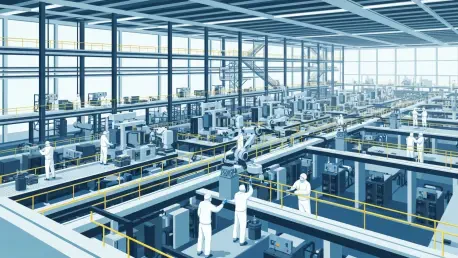
A particularly significant breakthrough detailed in the outlook is the emergence and practical application of “agentic AI,” a sophisticated class of intelligent systems capable of independently reasoning through complex operational scenarios and executing autonomous decisions without requiring direct human intervention for every step. In a modern manufacturing context, this translates into tangible, high-impact applications that are reshaping the factory floor. For instance, production machines can now dynamically adjust their own parameters in real-time to maintain exacting quality standards, accurately predict potential equipment failures long before they result in costly downtime, and intelligently optimize energy consumption across an entire facility’s operational cycle. This level of autonomy frees human capital to focus on higher-value strategic tasks, turning the traditional factory into a self-optimizing ecosystem where efficiency is continuously refined by intelligent algorithms.
Translating AI into Tangible Construction Wins
For the construction and industrial sectors, this AI revolution directly translates into a suite of game-changing applications, with predictive maintenance standing out as one of the most immediately impactful. Smart construction equipment—ranging from excavators and cranes to concrete mixers and pavers—can now be equipped with an array of sensors that enable self-diagnosis of their maintenance needs. By continuously analyzing critical data points such as vibration patterns, temperature fluctuations, and hydraulic pressure metrics, these intelligent systems can accurately forecast when a component is likely to fail and automatically schedule the necessary repairs during planned downtime. This proactive approach effectively prevents the kind of catastrophic, unexpected equipment failures that have historically led to significant project delays and massive budget overruns, fundamentally shifting the entire maintenance paradigm from a reactive, break-fix model to a predictive and preventative one that maximizes asset uptime and operational reliability.
Beyond optimizing individual assets, artificial intelligence is now being leveraged to streamline and enhance entire project workflows with a level of precision previously unattainable. Advanced AI systems and algorithms can now process a vast array of complex and interrelated variables—including long-range weather forecasts, real-time material delivery schedules, subcontractor labor availability, and specific equipment capacity—to model and suggest the most efficient possible sequence of construction activities for any given day or week. This sophisticated level of data-driven optimization minimizes costly idle time for both labor and equipment, improves the allocation of critical resources across the job site, and ultimately serves to accelerate project completion, delivering significant value to both contractors and clients. This intelligence is further amplified on-site by AI-powered planning tools and automated progress monitoring. By utilizing computer vision systems, firms can automatically monitor construction progress, comparing the work in real-time against digital plans like Building Information Modeling (BIM) models to instantly identify any deviations from the design. These same systems can also act as a vigilant digital safety officer, spotting potential hazards such as workers not wearing proper personal protective equipment (PPE) or heavy equipment operating in unsafe proximity, and issuing immediate alerts to prevent accidents before they happen.
Building Resilience in an Unpredictable World
Reinventing the Supply Chain
The Deloitte outlook confirms a hard-learned lesson from the past several years of global volatility: supply chain disruption is no longer an occasional anomaly but has become an ongoing operational reality that must be managed proactively and strategically. Persistent trade uncertainty, volatile raw material costs, and stubborn logistics challenges remain top-of-mind concerns for industry leaders. In response, leading manufacturers are moving away from the fragile, hyper-optimized, just-in-time supply chains of the past and are fundamentally redesigning them for resilience and flexibility in the face of constant change. This represents a paradigm shift from a singular focus on cost reduction to a more balanced approach that prioritizes operational continuity and risk mitigation, recognizing that the cost of a line-down situation far outweighs the marginal savings from a less resilient supply network.
A core tenet of this new, more robust approach is the establishment of real-time, end-to-end visibility across the entire supply chain, a capability that has rapidly become a non-negotiable requirement for modern industrial operations. Companies are aggressively implementing sophisticated digital platforms and control towers that can track critical materials from the initial Tier 2 or Tier 3 supplier all the way to the factory floor or construction job site. These advanced systems provide instant, actionable alerts when disruptions occur anywhere along the chain—whether it’s a weather event, a port closure, or a geopolitical issue—and can often automatically suggest viable alternatives, such as rerouting shipments through different logistics hubs or immediately engaging pre-vetted secondary suppliers to fill an impending gap. This level of digital oversight provides the agility needed to navigate an increasingly unpredictable global trade environment and maintain production schedules.
Construction’s Answer to Material Volatility
This pronounced trend toward supply chain resilience directly addresses one of the construction industry’s most significant and persistent variables: the sourcing of fundamental raw materials like steel, concrete, lumber, and other specialty components. These commodities are subject to extreme price volatility and unpredictable availability constraints that can devastate carefully planned project budgets and schedules. By implementing the same kind of digital supply chain visibility platforms being adopted in manufacturing, construction firms gain the invaluable ability to anticipate potential material shortages, proactively identify and vet alternative suppliers in different geographic regions, and make data-driven decisions about the optimal timing for material procurement. This strategic foresight allows them to lock in prices before a market spike or secure supply before a shortage hits, effectively shielding projects from the most damaging effects of market volatility.
Furthermore, some of the most innovative construction companies are now adopting advanced logistics techniques directly inspired by the manufacturing sector, such as “just-in-sequence” delivery. This highly coordinated method ensures that materials arrive at the job site precisely when and where they are needed according to the construction sequence, which significantly reduces the need for large on-site storage areas, minimizes the pervasive risk of theft or weather-related damage to stored goods, and improves the overall workflow and efficiency of the entire site. The criteria for selecting vendors are also evolving in parallel with this trend. Beyond simple cost comparisons, firms are now building robust supplier relationship management (SRM) systems that evaluate vendors on a wider, more holistic range of metrics, including their historical reliability, quality consistency, and, critically, the resilience of their own supply chains. This deeper level of due diligence helps to create a more stable and predictable material pipeline for complex construction projects.
Investing in the Future Capital and a Collaborative Workforce
Following the Money Capital Investment as a Leading Indicator
The observable patterns of capital investment within the U.S. manufacturing sector serve as a reliable leading indicator for future trends and opportunities in the construction and industrial equipment markets. According to the Deloitte report, American manufacturers are channeling significant investments into three primary categories that signal the direction of the industrial base: first, the acquisition of advanced machinery and robotics to upgrade to more automated and intelligent production equipment; second, a massive buildout of domestic semiconductor manufacturing infrastructure, including fabrication facilities (fabs); and third, the implementation of digital operational technology, including the software and platforms that enhance visibility, control, and efficiency across the enterprise. This wave of modernization is creating a new landscape of industrial needs that the construction sector is uniquely positioned to fulfill.
This investment surge presents both a significant opportunity and a critical consideration for construction firms looking to secure future growth. As manufacturers deploy increasingly sophisticated production equipment, the industrial construction companies tasked with building, installing, and maintaining these advanced facilities must possess corresponding capabilities and specialized expertise. This means developing a deep understanding of the unique and demanding requirements of modern manufacturing environments. For example, semiconductor fabs require ultra-cleanroom standards, stringent vibration control, and complex utility matrices. Highly automated distribution centers and smart factories have immense power density requirements and need robust, high-speed network infrastructure to function. Construction firms that cultivate this specialized knowledge will be positioned to capture high-value projects, while those that do not will be left competing in a commoditized market.
The Human Machine Partnership
Perhaps the most nuanced and critical finding in the Deloitte outlook concerns the profound evolution of the workforce. The report emphatically states that the ongoing technological transformation is not about replacing human workers with machines but is instead about creating new, more sophisticated, and more productive forms of human-machine collaboration. As artificial intelligence and automation continue to reshape industrial operations, the skill sets required of the workforce are evolving at an unprecedented and often challenging pace. This rapid evolution is creating significant skill gaps across the industry, which are further exacerbated by powerful demographic shifts as large numbers of experienced manufacturing workers from the baby boomer generation retire and are replaced by younger generations entering the workforce with an entirely different set of native capabilities and professional expectations.
The construction and industrial sectors are facing a parallel, and in many ways identical, set of workforce challenges. The long-standing skilled trades shortage—a persistent issue for decades—is now being compounded and complicated by this technological evolution, creating a dual challenge for employers. The required competencies for traditional roles are changing fundamentally. For example, modern electricians must now understand and be able to integrate complex building automation systems and Internet of Things (IoT) device networks. Heavy equipment operators can dramatically enhance their value by understanding how to effectively leverage the telematics data generated by their machines and how to respond to the predictive maintenance alerts that these systems generate. Likewise, project managers increasingly require data analytics capabilities to effectively use the vast amount of information being generated by smart job sites to make better, faster decisions. In response to this new reality, forward-thinking firms are launching comprehensive reskilling and upskilling initiatives. These programs include strategic partnerships with technical colleges to develop updated curricula that blend traditional trade skills with digital proficiency, as well as robust internal training programs designed to help experienced workers transition smoothly into new, technology-enabled roles where their deep operational expertise is augmented, not made obsolete.
Strategic Imperatives for a Reshaped Landscape
The trends identified by Deloitte had clearly established a new operational blueprint for the industrial landscape. The analysis of smart manufacturing integration, the strategic redesign of supply chains for resilience, the focused patterns of capital deployment, and the necessary transformation of the workforce provided a clear call to action. For construction and industrial companies to thrive, strategic inaction was no longer a viable option. The insights confirmed that the companies positioned to lead the industry were those that had already begun to embrace smart technologies as core operational capabilities, build resilience through enhanced digital visibility, invest continuously in a skilled and adaptive workforce, and strategically position themselves to meet the evolving demands of a renewed American industrial base.
The path forward required a series of deliberate strategic imperatives. First, elevating technology investment from a discretionary choice to a core priority was deemed essential due to the significant and proven gains in productivity and cost efficiency. Second, firms needed to systematize their approach to supply chain resilience by making sustained investments in digital visibility platforms and actively diversifying supplier relationships to build a buffer against inevitable disruptions. Third, senior leadership had to champion workforce development and continuous training as a high-priority, sustained investment to close the growing skills gap. Finally, industrial construction firms were encouraged to actively develop the specialized expertise needed to capture high-value opportunities in expanding manufacturing sectors like semiconductors and batteries. The transformation was already underway, and a competitive gap had widened between the early adopters and those who waited.