
The rapid transformation of the commercial real estate landscape in Northeast Ohio has reached a critical tipping point as high-profile defaults trigger a fundamental shift in how distressed urban assets are managed and preserved. While the market continues to grapple with the structural changes of the post-pandemic era, the sheer volume of foreclosures in Downtown Cleveland has necessitated a move away from stagnant custodial roles. Cushman & Wakefield | CRESCO Real Estate recently recognized this void and responded by launching a specialized Receivership Services Division, signaling a clear departure from the hands-off management styles that previously dominated the industry. This strategic move was not merely a reaction to current financial strain but a calculated effort to implement more sophisticated tools for the stabilization and eventual disposition of troubled office towers and mixed-use complexes. As these assets navigate the complexities of the legal system, the focus shifted toward active stewardship to protect regional economic stability and maintain the long-term value of the city’s architectural inventory.
The Scope of Urban Real Estate Distress
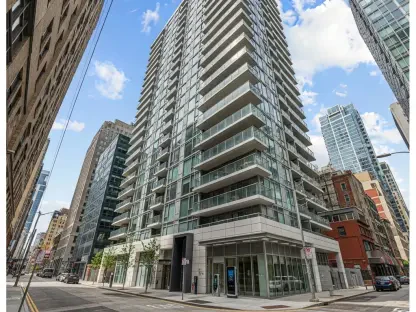
The current surge in foreclosure activity is characterized by its significant impact on some of Cleveland’s most recognizable landmarks, proving that even massive properties are susceptible to the changing tide. High-profile cases include the 1.4-million-square-foot 925 Euclid Avenue building, formerly known as the Union Trust Building, which is currently undergoing the rigorous court-appointed receivership process. Similarly, the Statler Arms apartments and the sprawling Reserve Square complex joined the list of distressed properties, highlighting a trend that spans both residential and commercial sectors. These buildings represent substantial portions of the urban core’s square footage, making their financial health vital to the city’s overall vitality. When such large-scale assets enter default, the complexity of managing them increases exponentially, requiring more than just basic maintenance. The concentration of these defaults underscores a broader market reality where traditional revenue models are failing under the pressure of shifting occupancy and debt.
Beyond the most famous towers, other significant properties like the former IMG Building and the Fifth Third Bank Building at 600 Superior Avenue faced similar financial hurdles, illustrating the breadth of the crisis. This widespread distress indicates that premier urban assets are no longer insulated from the broader economic pressures affecting the commercial real estate sector. The transition of these properties into receivership marked a pivotal moment for lenders who previously relied on the steady performance of Class A office spaces. As vacancy rates fluctuated and interest rates impacted debt servicing, the need for a more robust intervention became clear to stakeholders across the board. The situation demanded a model that could handle the intricate needs of mixed-use developments while ensuring that the physical value of the property did not erode during the lengthy legal proceedings. This shift prompted a reassessment of how these high-value urban centers are viewed by investors, turning the focus toward rapid stabilization and creative repurposing to ensure long-term viability.
Shortcomings of Traditional Property Oversight
Industry veterans observed that the traditional receivership model often fell short because it prioritized passive management and the collection of fees over the actual recovery of the asset. In many instances, court-appointed receivers acted as little more than temporary placeholders, lacking the granular local market knowledge required to stabilize a property or market it effectively to potential buyers. This passive approach often resulted in missed opportunities for repositioning, particularly when national firms without regional ties were put in charge of local icons. Without a deep understanding of the specific neighborhood dynamics and tenant needs in Northeast Ohio, these receivers struggled to maintain occupancy or attract new interest. The failure to actively manage these assets meant that many buildings remained in a state of limbo, neither improving nor being sold, which further depressed the surrounding real estate market and discouraged new investment in the immediate vicinity during these critical periods of transition.
The consequences of inadequate oversight became painfully visible through cases of physical deterioration and significant security breaches in neglected properties. A prime example was the Rockefeller Building at 614 West Superior Avenue, which suffered from persistent vandalism and break-ins while under the control of a previous receivership. Such instances of neglect not only diminished the value of the specific property but also created safety concerns for the surrounding blocks, illustrating the danger of a wait-and-see management philosophy. When a building is left without aggressive security and immediate physical stabilization, it becomes a liability rather than a recoverable asset. This history of neglect served as a catalyst for firms to propose a more interventionist model that emphasizes immediate action to secure the premises and address urgent repairs. By preventing the downward spiral of physical decay, the new model aims to preserve the architectural integrity and marketability of historic and modern structures alike for the benefit of all involved.
A Strategic Shift Toward Proactive Asset Management
To address the gaps left by traditional methods, the new receivership model integrates economic development expertise directly into real estate operations to foster rapid stabilization. This approach was spearheaded by specialists who understand the intersection of public policy and private investment, ensuring that legal requirements do not overshadow market realities. By conducting comprehensive highest and best use analyses, firms now determine whether a distressed office building should remain in its current format or be converted into modern residential units or creative workspaces. This level of strategic thinking goes beyond simple property management by envisioning a future for the building that aligns with current market demand rather than past successes. This proactive stance ensures that every decision made during the receivership period contributes to the long-term viability of the asset, making it more attractive to future owners who are looking for ready-to-develop opportunities in a recovering urban market.
The emergence of specialized receivership divisions served as a leading indicator of continued market volatility, prompting a wider adoption of disciplined asset management across the region. As real estate firms positioned themselves as essential intermediaries between the legal system and the financial sector, the perception of the receiver evolved significantly. Lenders and judicial staff began to favor partners who offered more than just legal compliance, seeking instead those who could demonstrate a track record of property stabilization and value preservation. The success of these early interventions provided a roadmap for other cities facing similar commercial crises, emphasizing the importance of local expertise in navigating the complexities of post-pandemic recovery. This period of transition highlighted the necessity of active management in maintaining the core of the regional economy. Ultimately, the move toward an expert-led receivership model provided a pathway for the stabilization and eventual renewal of the urban core during a time of immense pressure.