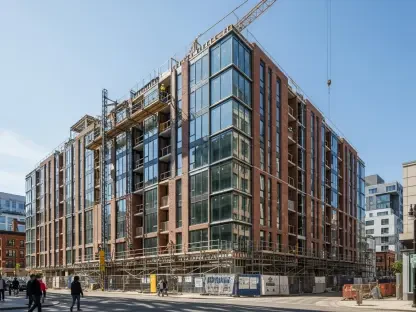
In a decisive move to combat the state’s persistent housing affordability crisis, Colorado officials have allocated a substantial $52,052,141 in state funding toward the development of five new affordable housing projects. This significant investment, stemming directly from the voter-approved Proposition 123, is poised to create hundreds of new rental units for low- and middle-income families across diverse communities, from the Front Range to the Western Slope. The initiative marks a critical step in a broader strategy to not only increase the housing supply but also to foster more equitable, sustainable, and economically vibrant communities. By leveraging an innovative financing model, the state is addressing the immediate need for shelter while simultaneously laying the groundwork for long-term economic stability and opportunity for its residents, signaling a proactive and comprehensive approach to one of the most pressing challenges facing Coloradans today.
A Strategic Vision for Community and Economy
State leaders have emphasized that this initiative represents far more than a simple construction program; it is a foundational investment in the state’s social and economic fabric. The core philosophy behind the funding is the understanding that stable, affordable housing is inextricably linked to community well-being and economic prosperity. By enabling residents to live affordably in the communities where they work and where their children attend school, the state aims to reduce commute times, strengthen local economies, and improve overall quality of life. This perspective frames housing not as an isolated issue but as a crucial component of a thriving ecosystem. This statewide effort is a direct implementation of the public’s will, as the funding originates from a measure approved by voters, underscoring a broad consensus on the need for decisive action to ensure that Colorado remains a place where people from all income levels can build a future.
The financial engine driving these developments is the Proposition 123 Equity program, a sophisticated tool designed to overcome the economic hurdles that often stall affordable housing projects. Rather than relying on conventional grants, the program provides below-market-rate equity investments, which function as a critical piece of the capital stack, making otherwise unfeasible projects financially viable for developers. This approach allows the state to partner with the private sector more effectively, stretching public dollars further and accelerating the creation of new housing. The program is specifically structured to support developments serving a wide spectrum of the community, with units designated for households earning between 30% and 120% of the area median income (AMI). This targeted, flexible financing mechanism is seen as an essential innovation in the ongoing effort to ensure long-term housing stability for a broader range of Colorado’s workforce and families.
Project Highlights Diverse and Sustainable Development
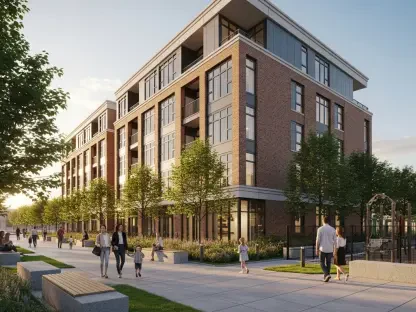
The $52 million investment is strategically distributed across five distinct projects, each uniquely designed to meet the specific needs of its local community while adhering to high standards of quality and sustainability. The largest single award of $15 million is directed to 121 Main Street, a 198-unit mixed-use development in downtown Longmont that will cater to a mix of income levels. In Colorado Springs, a $12.8 million investment will fund Bristow House, a 185-unit complex incorporating intergenerational housing design concepts. Meanwhile, the Ingraham Wright project in Pueblo receives $10 million to create a 41-unit modular rental development that innovatively combines new construction with the historic preservation of a church designed by renowned architect Elizabeth Wright Ingraham, which will be repurposed into a community center. This diversity in project type and location demonstrates a thoughtful approach to addressing housing needs across Colorado’s varied urban and regional landscapes.
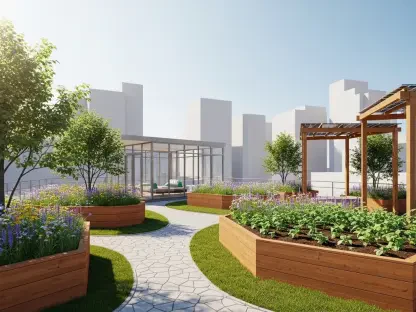
A defining feature that unifies these disparate projects is a profound commitment to environmental responsibility and modern, energy-efficient design. Nearly all the developments, including a 158-unit building at 1600 Pearl Street in Denver, are slated for all-electric construction and are designed to achieve the National Green Building Standard (NGBS) Silver certification. This focus on sustainability not only reduces the long-term environmental footprint of the buildings but also translates into lower utility costs for residents. The Liberty Apartments in Grand Junction, supported by nearly $8 million, exemplifies this commitment by aiming for net-zero energy consumption. Its modular buildings will feature extensive rooftop solar panels designed to offset 100% of the development’s year-round energy use. This project is expected to earn Zero Energy Ready Homes certification and is projected to prevent up to 240 tons of annual carbon dioxide emissions, setting a new benchmark for green affordable housing in the state.
Investing in Residents Financial Futures
Beyond the immediate provision of shelter, this state-led initiative incorporated a forward-thinking component aimed at fostering wealth-building opportunities and long-term financial security for its tenants. This is embodied in the Tenant Equity Vehicle, a pioneering program set to launch in January 2026. Under this model, a portion of the financial returns generated by the Proposition 123 program’s investments will be shared directly with the residents living in these new developments. This innovative mechanism will provide tenants with capital that they can use for a variety of purposes, such as building savings, making a down payment on a future home, or investing in education. By creating a direct financial stake for residents in the success of the program, the state is moving beyond traditional housing assistance to create a tangible pathway toward greater economic mobility and generational wealth for Colorado families.
This landmark investment ultimately represented a pivotal shift in the state’s approach to affordable housing. The allocation of over $52 million did more than just break ground on new buildings; it established a comprehensive framework that integrated strategic financing, sustainable design, and direct resident empowerment. The decision to leverage voter-approved funds for below-market-rate equity injections proved to be a powerful catalyst, making complex projects viable while ensuring they met high environmental standards. By coupling the construction of energy-efficient homes with a program designed to build tenant wealth, the initiative moved beyond providing simple shelter. It laid a foundation for stronger, more resilient communities where economic opportunity was more accessible, and it set a new standard for how public investment could be used to address societal challenges in a holistic and impactful way.