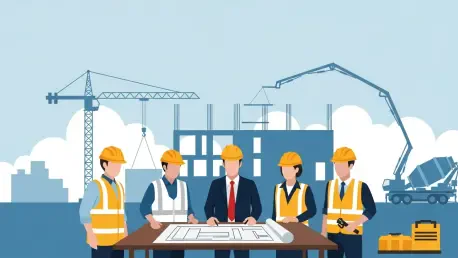

The modern concrete construction landscape, characterized by sprawling infrastructure projects and technologically advanced industrial facilities, is facing an inflection point where safety management has become as critical as the structural integrity of the build itself. At the recent World of Concrete 2026 conference, industry leaders and contractors gathered to discuss the mounting pressures of an increasingly complex operational environment. The dialogue, led by firms like Cardinal Compliance Consultants, underscored a pivotal shift: environmental, health, and safety (EHS) oversight is no longer a secondary consideration but a core driver of project success, profitability, and sustainability. As project schedules tighten and regulatory scrutiny intensifies, the ability of contractors to navigate this intricate web of demands now dictates their capacity to compete and deliver on ambitious, large-scale endeavors, making specialized safety expertise an indispensable asset in a high-stakes industry.
The Pressures of a Modern Jobsite
Concrete contractors are currently operating under a confluence of demanding conditions that significantly elevate operational risk. Project schedules have become progressively compressed, forcing teams to accomplish more in less time, while the scope of work on major industrial and commercial builds has expanded in complexity. This accelerated pace is set against a backdrop of constantly evolving regulatory expectations from agencies such as the Occupational Safety and Health Administration (OSHA). The combination of speed, intricacy, and stringent compliance creates a high-pressure setting where, without diligent and expert oversight, safety protocols can be inadvertently compromised. This environment demands a proactive, rather than reactive, approach to risk management, as even minor lapses can lead to significant project delays, financial penalties, and, most importantly, serious incidents that endanger the workforce and undermine the entire project’s viability.
A significant portion of this complexity stems from the very nature of large-scale construction, which invariably involves multi-employer worksites. As articulated by industry experts like Richard Barcum, President and CEO of Cardinal, major projects bring together a multitude of contractors and subcontractors, each with their own crews, equipment, and safety cultures, all operating simultaneously in a shared space. This dynamic necessitates an exceptional degree of coordination and a consistently high standard of safety execution across all parties to prevent accidents. Furthermore, contractors are facing heightened scrutiny from regulatory bodies, project owners, and insurers, all of whom demand meticulous documentation, detailed site-specific safety plans, and diligent subcontractor oversight. The administrative burden is compounded by the need to align internal safety programs with external mandates, such as those from owner-controlled insurance programs (OCIPs) and general contractor standards, adding layers of complexity to compliance management.
A Proactive Shift in Safety Culture
Across the industry, a discernible trend is emerging as contractors move away from a purely reactive, “check-the-box” mentality toward safety and compliance. Instead, there is a growing recognition of the strategic value of proactive safety planning that integrates EHS principles into the core of daily operations and project management. This evolution is driven by a dual-pronged catalyst: increased regulatory enforcement from agencies like OSHA, which imposes substantial penalties for non-compliance, and higher expectations from sophisticated project owners and general contractors. These stakeholders increasingly understand that a safe project is intrinsically linked to efficiency, quality, and profitability. Fewer incidents mean fewer delays, lower insurance costs, and improved morale, all of which contribute directly to a project’s bottom line. This paradigm shift reframes safety investment not as an operational cost but as a crucial component of performance and risk mitigation.
While new and technologically advanced sectors like AI-driven data center construction capture headlines, the foundational safety challenges inherent in concrete construction remain remarkably universal. Whether the project involves a transportation bridge deck, an industrial machine foundation, a massive distribution center, or a commercial high-rise, the core high-risk activities are consistent. These include the dangers associated with excavation and trenching, the complexities of formwork installation and reinforcing steel placement, the hazards of concrete pumping operations, and the logistical challenges of managing heavy equipment and continuous concrete pours. This universality underscores the critical need for foundational safety principles and expert oversight on every large-scale project. Consequently, there is a growing demand for flexible and scalable safety resources, such as on-demand site safety staffing and targeted compliance support, enabling contractors to align their safety oversight with the specific risk profile of each project phase.
Integrated Solutions for a New Era of Construction
In response to these industry-wide challenges, firms are now offering integrated solutions designed for comprehensive risk management. A primary offering is the provision of qualified, Board of Certified Safety Professionals (BCSP)-certified safety experts who embed directly into project teams. This on-demand staffing model provides contractors with a crucial degree of flexibility, allowing them to scale their safety oversight to match the fluctuating risk levels of different project phases. For instance, a project may require intensive oversight during foundation work and excavation but different support during finishing stages. This approach avoids the significant administrative and financial burden of maintaining a large, permanent safety staff. These embedded professionals are tasked with managing daily safety functions, including continuous hazard identification, conducting field observations, implementing incident prevention strategies, and performing safety audits. Crucially, they also serve as a vital liaison for coordination between various subcontractors, the project owner, and any regulatory representatives on-site.
The dialogue at World of Concrete 2026 ultimately solidified the understanding that effective EHS management was no longer an ancillary function but a core component of successful project execution in the modern concrete industry. The discussions revealed that project performance, profitability, and worker safety were inextricably linked. Contractors who proactively invested in professional safety oversight, flexible staffing solutions, and robust, adaptable compliance programs were better positioned to manage multifaceted risks, meet the evolving demands of owners and regulators, and ultimately deliver complex projects more effectively and safely. The event reflected a broad industry consensus on this new paradigm, signaling a definitive shift toward more sophisticated, integrated, and strategic approaches to ensuring safety and compliance on every jobsite.