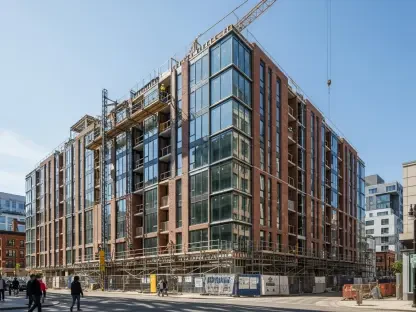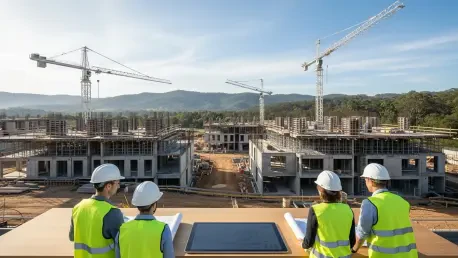

The regional housing market in New South Wales is currently undergoing a radical transformation as the first government-led build-to-rent project in East Lismore enters its primary structural phase. Spearheaded by Landcom, the state’s property development arm, this initiative marks a significant milestone in addressing the persistent shortage of secure rental properties in the Northern Rivers region. Following the successful completion of initial site preparations and foundational work that commenced late last year, the development is now rapidly scaling upward. If favorable weather patterns persist throughout the current construction season, the fifty new residences are expected to be ready for occupancy by late 2026. This project is not merely a construction site but a strategic intervention designed to provide immediate relief to a community that has faced immense pressure from escalating rents and limited supply. It serves as a direct response to the critical need for resilient, long-term housing solutions in regional centers that have historically been overlooked by large-scale institutional developers.
Diversifying the Housing Mix Through Strategic Urban Design
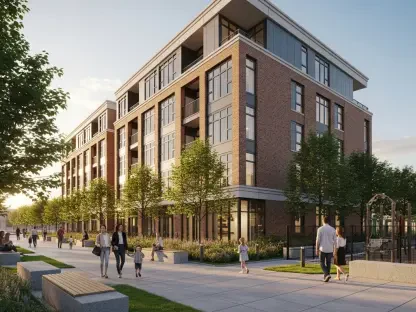
Central to the success of this development is an architectural philosophy that prioritizes diversity and inclusivity within the local residential landscape. The project incorporates a versatile range of floor plans, including studio apartments, one-bedroom units, and larger two-bedroom and three-bedroom residences tailored for families. This varied mix ensures that the site does not become a monolithic block but rather a vibrant micro-community reflecting the diverse demographic needs of the Lismore area. Crucially, over twenty percent of the total units are legally designated as affordable housing, specifically reserved for low-to-moderate income earners who have been increasingly priced out of the private market. The strategic placement of the complex near Southern Cross University and essential school districts further enhances its value, offering residents unprecedented proximity to education and employment hubs. By integrating high-quality design with social responsibility, the project establishes a new standard for how regional urban centers can accommodate growth without sacrificing accessibility for their most vulnerable citizens.
This initiative distinguishes itself from traditional real estate developments by adopting a professionalized build-to-rent management model that emphasizes long-term tenant security. Unlike the fragmented private rental market where individual landlords may choose to sell or occupy a property at short notice, the New South Wales Government will maintain permanent ownership of this East Lismore facility. Management responsibilities have been delegated to a specialist operator whose primary focus is maintaining high service standards and fostering a stable living environment for all occupants. This institutional approach effectively shields tenants from the volatility of market-driven evictions and provides a level of tenure certainty rarely found in regional Australia. Residents benefit from professional maintenance schedules and transparent lease agreements that prioritize the longevity of the residency over short-term profit margins. Consequently, this model transforms the rental experience from a precarious temporary arrangement into a reliable foundation for personal and professional life. The shift toward government-held assets in the housing sector represents a significant policy pivot aimed at stabilizing regional populations through guaranteed high-quality rental infrastructure.
Creating Resilient Communities Beyond Immediate Construction
While the current construction of fifty units provides immediate relief, the project functions as the primary catalyst for a much broader precinct redevelopment strategy. Future planning for the surrounding area is already underway, with the objective of unlocking at least four hundred additional homes to create a comprehensive residential neighborhood. A vital component of this expansion involves providing viable relocation options for residents participating in the flood buyback program following the catastrophic environmental events of 2022. By situating these new developments safely above established flood zones, the state is facilitating a managed retreat for families who were previously at risk. This focus on resilience ensures that the community is not just rebuilt, but reinvented with modern engineering standards that can withstand the increasing frequency of extreme weather. The integration of high-elevation sites with modern infrastructure provides a sense of physical and financial security that has been missing for many local households. This proactive stance on land use planning demonstrates how government-led development can effectively de-risk regional living while simultaneously expanding the available housing stock for a growing population.
The East Lismore development established a functional blueprint for how state intervention could successfully bridge the gap between private market limitations and public housing needs. By prioritizing structural resilience and professionalized management, the project demonstrated that regional centers could benefit from the same institutional investment typically reserved for major metropolitan hubs. Lawmakers and urban planners observed that the integration of affordable units within market-rate developments fostered greater social cohesion and reduced the stigma associated with subsidized housing. Moving forward, the success of this model suggested that regional authorities should continue to identify underutilized state-owned land for similar medium-density projects. To build on this momentum, future strategies must focus on streamlining the approval processes for specialist operators while ensuring that local infrastructure can support such rapid population shifts. The initiative proved that diversifying housing tenure types was essential for maintaining economic stability in areas susceptible to environmental and financial shocks. Ultimately, the transition toward a more robust, government-supported rental sector provided a necessary safety net that empowered regional communities to thrive despite the challenges of a changing climate and an unpredictable global economy.