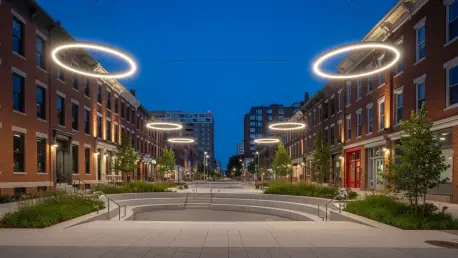

The City of Bloomington is currently navigating a pivotal chapter in its urban development as the “Downtown for Everyone” initiative seeks to balance 19th-century aesthetics with the rigorous demands of a modern technological hub. This ambitious streetscape project represents a comprehensive effort to revitalize the city’s historic core by addressing centuries-old infrastructure while simultaneously creating an inviting, multi-functional urban environment for current and future generations. The initiative is presently focused on the 500 and 600 blocks of North Main Street, where construction crews are working to transform the physical and social landscape of the area. According to recent reports from city officials, the project is successfully navigating the inherent complexities of such a massive urban reconstruction, remaining both on a strict timeline and within its $13.2 million budget for the current phase of work. By integrating advanced engineering with community-focused design, the city is attempting to ensure that its historical identity remains intact even as it adopts the infrastructure necessary for a thriving, contemporary economy.
Transforming the Urban Landscape
Enhancing Walkability and Public Spaces
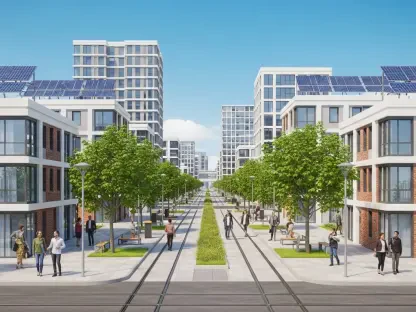
The current redesign of the downtown core is fundamentally shifting the priority from vehicular throughput to pedestrian accessibility and community engagement. By reimagining the streets as destinations rather than mere thoroughfares, the city is installing high-capacity bike racks and significantly expanding green infrastructure to soften the hard edges of the urban environment. This approach is intended to foster a more vibrant atmosphere where residents and visitors feel encouraged to linger, thereby increasing the economic vitality of the surrounding storefronts. The implementation of wide, unobstructed sidewalks and dedicated cycling lanes reflects a broader trend in urban planning that emphasizes health, sustainability, and social interaction. Every aspect of the surface-level renovation has been curated to remove barriers to movement, ensuring that the heart of Bloomington is accessible to individuals of all mobility levels while providing a scenic backdrop for daily commerce and casual recreation.
Furthermore, the transition to a more walkable environment is supported by a sophisticated selection of materials and landscaping choices that respect the local climate and heritage. The introduction of native plantings and strategically placed seating areas transforms standard city blocks into pocket parks that offer respite from the summer heat and a sense of place in the winter months. This focus on the pedestrian experience is not merely a cosmetic choice but a strategic investment in the long-term desirability of the downtown area. As more people move toward urban centers that offer a high quality of life and easy access to amenities without the constant need for a car, Bloomington is positioning itself as a competitive leader in the region. The synergy between new greenery and restored historic facades creates a visual narrative that honors the past while embracing a cleaner, more organized future for the city’s public spaces.
The Modern Aesthetic: Integration of Technology
At the center of this modernization effort is the installation of innovative “halo rings” in the 600 block, which serve as both a visual landmark and a functional entertainment asset. These overhead structures are equipped with programmable LED lighting systems capable of bathing the area in a spectrum of colors, allowing the city to customize the ambiance for various festivals, holidays, and evening events. Positioned above what was once a standard parking lot, these rings help define a new community event space that features amphitheater-style concrete seating designed for public gatherings. This integration of technology into the historic fabric of the city demonstrates how modern utility can enhance traditional gathering spots without overshadowing the surrounding architecture. The result is a dynamic focal point that bridges the gap between the town’s storied history and the tech-forward expectations of modern residents.
To facilitate the transformation of this area from a functional parking zone to a high-capacity event venue, the city has utilized advanced retractable bollard systems. These automated barriers can be raised to effectively isolate entire blocks from vehicle traffic during peak hours or special performances, creating a safe and seamless environment for pedestrians. This flexibility allows the downtown area to serve multiple roles throughout the week, catering to commuters during business hours and transitioning into a festive entertainment district on weekends and evenings. The ability to control traffic flow with the push of a button represents a significant upgrade in urban management, providing the city with the tools to host large-scale events with minimal logistical friction. This combination of programmable lighting and adaptable infrastructure ensures that the 600 block remains a versatile and engaging destination for years to come.
Engineering a Sustainable Future
Subsurface Infrastructure: Water and Safety
While the visual upgrades often garner the most attention, a substantial portion of the project’s $13.2 million investment is being directed toward the critical systems located beneath the pavement. The city is engaged in a massive effort to replace aging water mains, with a specific focus on the removal of lead service lines to protect public health. This work is part of a broader, multi-year city-wide safety initiative that aims to modernize the entire municipal water network. The process of bringing these new lines into service is technically rigorous, requiring crews to perform extensive pressure testing to ensure structural integrity. Furthermore, a procedure known as “cooking” the mains is employed, where high concentrations of disinfectant are circulated through the pipes to eliminate any potential bacteria before the lines are officially connected to the public supply.
This commitment to subsurface excellence ensures that the new streetscape will not have to be disturbed for repairs in the foreseeable future. By tackling these deep-seated infrastructure issues now, the city is avoiding the costly and disruptive “patchwork” maintenance cycles that often plague older municipalities. The engineering teams are coordinating closely with multiple agencies to ensure that every connection is mapped and every pipe is rated for modern demands. This proactive approach to utility management serves as the literal foundation for the downtown’s revitalization, providing the reliability and safety that residents and business owners require. The scale of this underground work highlights the project’s dual nature: while it seeks to beautify the surface, it is equally dedicated to the invisible but essential systems that keep the city functioning at peak efficiency.
Environmental Management: Stormwater Systems
The redesign of the streetscape also incorporates advanced environmental engineering to manage the challenges of Central Illinois weather and urban runoff. Crews are currently installing a sophisticated “ADS locking system,” which functions as a high-capacity underground detention basin situated beneath the new brick pavers. This system is designed to capture and hold significant volumes of stormwater during heavy rain events, slowly releasing it into the municipal sewer system to prevent flooding and reduce the burden on downstream treatment facilities. By managing water at the source, the city is implementing a sustainable model for urban drainage that aligns with modern environmental standards. This subsurface technology is paired with the use of decorative permeable pavers in parking and amphitheater zones, which allow water to infiltrate the ground naturally rather than pooling on the surface.
The construction of the sidewalks themselves follows a high-standard engineering protocol to ensure long-term durability and resistance to the freeze-thaw cycles common in the region. Instead of pouring concrete directly onto native soil, which often leads to shifting and cracking, workers are laying down a stable aggregate base to provide a firm foundation. The concrete used for the walkways is mixed to a specific “clam chowder” consistency, allowing it to be molded into precise forms that will withstand heavy foot traffic for decades. Even during the height of demolition and reconstruction, the city has mandated that a five-foot walkable path be maintained for pedestrians at all times, illustrating a commitment to functional urban life during the construction phase. These technical details reflect a holistic approach to engineering that prioritizes both environmental stewardship and the physical longevity of the city’s investment.
Navigating the Weight of History
Unearthing the Past: Historic Relics
The process of excavating the downtown area has been likened to a structural archaeology project, as workers frequently encounter remnants of Bloomington’s early development. Because the city’s history dates back well into the 1800s, construction crews have unearthed various artifacts that were buried and forgotten over the last century. Notable discoveries include antique wooden water mains—reminders of a time before modern metallurgy—and heavy railroad ties that once supported the city’s early 20th-century streetcar network. These encounters require the engineering team to remain highly adaptable, as these “historical odds and ends” are rarely documented on modern utility maps. The city has accounted for these inevitable surprises by including significant contingency funds and flexible timelines within the project’s overall management plan.
Each discovery provides a unique window into the city’s evolution, but they also present practical challenges for modern construction equipment. For example, when old streetcar tracks are found, they must be carefully removed or integrated into the new foundation to prevent structural instabilities in the future pavement. The presence of these relics highlights the importance of the project’s role in bridging two different eras of urban life. By documenting and addressing these historical layers, the city is not just clearing the way for new pipes and wires; it is also ensuring that the spirit of the original downtown remains a tangible part of its ongoing story. This careful management of the past allows the city to build a modern infrastructure that sits harmoniously atop the foundations laid by previous generations.
Stabilizing the Ground: Coal Vault Remediation
One of the more complex structural challenges identified during the excavation phase has been the presence of numerous coal vaults located directly beneath the city’s sidewalks. During the era of coal-fired heating, many downtown buildings received their fuel through chutes that led to these underground storage voids, which were often simply covered with concrete caps once they fell out of use. Over the decades, these hollow spaces have become potential liabilities, as they are not designed to support the weight of modern utility vehicles or heavy pedestrian crowds. To rectify this, construction crews are meticulously cleaning these vaults and filling them with solid, high-strength concrete to eliminate the risk of future collapses. This process is essential for providing a stable, continuous base for the new sidewalks and street lighting systems.
The remediation of these vaults is a labor-intensive process that requires precision to ensure that no air pockets remain that could lead to settling. It serves as a prime example of the “hidden costs” associated with revitalizing a historic district, where the work required to make a site safe for modern use is often more extensive than the work visible on the surface. By resolving these structural vulnerabilities now, the city is creating a safer environment for property owners and the public alike. This stabilization work is a critical step in the “Downtown for Everyone” project, ensuring that the new aesthetic improvements are supported by a ground-plane that is as solid as it is beautiful. Addressing these historic voids represents a commitment to the long-term integrity of the city’s infrastructure, preventing future maintenance headaches before they even begin.
Measuring the Human and Economic Toll
Economic Resilience: The Business Continuity Plan
The extensive construction has inevitably created a challenging environment for the local business community, as sidewalk excavations and parking restrictions have altered traditional traffic patterns. Establishments along North Main Street have navigated periods where their storefronts were nearly inaccessible due to deep trenching and heavy machinery. To mitigate the financial strain on these small businesses, the City of Bloomington implemented a shared sales tax plan designed to provide a critical lifeline. This program allows businesses to submit evidence of lost revenue directly attributable to the construction in exchange for a 50% rebate on their sales tax contributions. While the specifics of these financial arrangements are kept confidential to protect the privacy of the owners, the program serves as a tangible demonstration of the city’s partnership with its local entrepreneurs.
Despite the disruption, a sense of shared purpose has emerged between the construction crews and the business owners they work around. It is common to see workers patronizing local eateries for lunch, and many residents have made a conscious effort to “show up” for their favorite downtown spots to help them weather the temporary downturn. Business owners have expressed optimism regarding the long-term benefits of the project, anticipating that the increased walkability and modern amenities will lead to a significant boost in foot traffic once the work is finalized. In the meantime, the community’s resilience is on full display as businesses adapt their operations, offering curb-side services and enhanced personal assistance to help patrons navigate the temporary pathways. This collaborative spirit is essential for maintaining the economic fabric of the downtown core during this transformative period.
Community Perspectives: Bridging the Generational Gap
The reception of the “Downtown for Everyone” project has revealed a divide in perspective between long-term residents and the city’s transient student population. For permanent residents, the project is viewed as a necessary and welcome investment that will pay dividends for decades, improving the city’s image and functionality. These stakeholders tend to view the temporary noise and dust as a small price to pay for a revitalized community center. In contrast, students at nearby institutions, particularly those in their final years of study, have voiced frustration over the immediate inconveniences. With graduation dates approaching, many students feel they are bearing the brunt of the construction’s navigational difficulties—such as disrupted rideshare drop-offs and limited parking—without the opportunity to enjoy the finished product.
This demographic friction underscores the challenge of managing a large-scale urban project in a college town where a significant portion of the population changes every four years. For these students, the construction zone is not a promise of a better future, but a disruption of their current social lives and a perceived “eyesore” in their favorite nightlife districts. However, city planners and local officials continue to emphasize that the benefits of the project are intended to serve everyone who calls Bloomington home, even if only for a few years. By creating a more accessible and visually appealing downtown, the city hopes to eventually attract more of these students to remain in the area as permanent residents after they graduate. Balancing these differing timelines and priorities remains a key aspect of the project’s social management as the work enters its final stages.
Establishing a Resilient Foundation for Growth
The “Downtown for Everyone” initiative successfully demonstrated that historic preservation and modern engineering can exist in a state of productive synergy. By addressing the crumbling subsurface infrastructure and the hidden structural liabilities of the 19th century, the city secured a foundation that was capable of supporting the high-tech demands of a contemporary urban center. The project remained on a disciplined path, with the $13.2 million phase concluding as a testament to the effective coordination between municipal departments, private contractors, and the local business community. The integration of the halo rings and the amphitheater seating provided a blueprint for how public spaces could be reimagined as flexible, multi-use environments that served both the daily commuter and the weekend reveler. This approach ensured that the aesthetic charm of the district was not just maintained but enhanced by the introduction of programmable lighting and green infrastructure.
Moving forward, the lessons learned during the excavation of the 500 and 600 blocks provided invaluable data for the remaining phases of the city’s master plan. The successful implementation of the sales tax rebate program offered a repeatable model for supporting local economies during periods of high-impact infrastructure work. As the city looks toward the spring 2027 completion of the broader downtown renovation, the focus turned toward maximizing the utility of the newly created event spaces and ensuring that the pedestrian-centric design continued to drive foot traffic to local businesses. The commitment to using permeable materials and sustainable drainage systems set a new standard for municipal projects in the region, proving that environmental responsibility could be seamlessly integrated into urban design. Ultimately, the project transformed the heart of Bloomington into a more durable, accessible, and vibrant destination, proving that the sacrifices made during construction were a necessary investment in the city’s long-term prosperity.