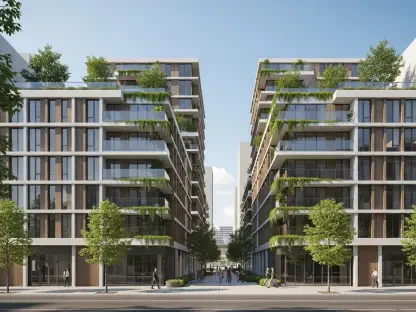

The American housing landscape is currently navigating a period of profound transformation as the long-standing dream of homeownership slips further away from the average citizen due to a combination of high interest rates and a persistent inventory shortage. This systemic disconnect has birthed a massive supply gap of over three million units, leaving the so-called “missing middle”—the nurses, police officers, and educators who form the backbone of the economy—without viable living options. Historically, developers concentrated their efforts on high-margin luxury apartments to maximize immediate returns, but this narrow focus has led to a saturated upper-tier market while the demand for essential workforce housing remains largely ignored. Consequently, the industry is now forced to reconsider its capital allocation strategies, moving away from speculative luxury ventures toward more disciplined, stable investments that prioritize long-term occupancy and community health. By focusing on the specific needs of the moderate-income workforce, stakeholders are beginning to implement scalable solutions that balance the necessity of investor returns with the urgent social requirement for attainable, high-quality residential environments.
Transforming Residential Development through the Build-to-Rent Model
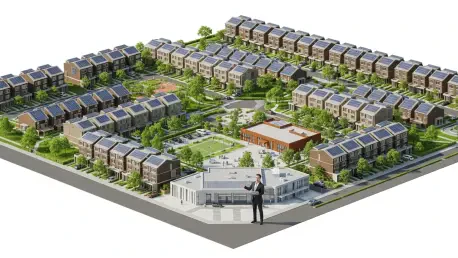
Build-to-Rent (BTR) has rapidly evolved from a niche alternative into a cornerstone of the modern housing strategy by offering purpose-built single-family homes and townhomes specifically for the rental market. Unlike traditional apartment complexes, these developments provide tenants with the private yards, extra living space, and quiet neighborhoods typically associated with ownership, yet without the crippling financial burden of a twenty-percent down payment. This model appeals directly to young families and aging professionals who desire the autonomy of a detached home but prefer the flexibility and professional maintenance that rental living provides. As a result, BTR communities are filling a critical void in suburban and exurban areas where traditional inventory has remained stagnant or prohibitively expensive for middle-income earners. The shift toward this model reflects a broader recognition that the housing crisis cannot be solved by multi-family towers alone, but requires a diverse range of formats that mirror the lifestyle aspirations of the modern American workforce.
Beyond just providing square footage, the BTR approach introduces a level of professional management and community cohesion that is often missing from the fragmented single-family rental market of the past. By institutionalizing the management of these neighborhoods, developers ensure that common areas are well-maintained and that amenities are tailored to the needs of working families, such as integrated co-working spaces and high-quality recreational facilities. This structural shift fosters a sense of permanence and belonging among residents, which in turn reduces the transient nature of traditional renting and supports more stable local economies. In the current 2026 economic environment, these professionally managed communities represent a vital bridge for those who are priced out of buying but require more than what a standard multi-family apartment can offer. The consistent quality and reliability of these developments create a premium rental experience that justifies the investment while providing a dignified and functional solution for families who have been sidelined by the volatility of the traditional housing market.
Strategic Financial Structuring for Workforce Housing Viability
Making workforce housing projects financially viable requires a sophisticated “blended capital stack” that integrates private investment with public incentives to offset the rising costs of labor and materials. Since the target demographic typically earns between 60% and 120% of the area median income, developers must find ways to lower the cost of entry, often through public-private partnerships that grant access to discounted land or provide density bonuses. These incentives allow projects to pencil out even when rents are capped at levels accessible to essential workers, ensuring that the development serves its intended purpose without sacrificing the investor’s need for a reasonable return. By utilizing tax abatements and infrastructure support, municipalities can actively participate in solving their own housing shortages while attracting high-quality private capital. This collaborative approach shifts the financial burden away from a single entity and creates a shared responsibility for the creation of sustainable, affordable communities that can withstand the pressures of fluctuating market cycles.
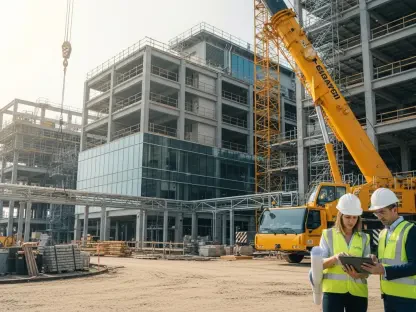
Operational efficiency is another critical component of the financial model, as developers increasingly turn to standardized designs and repeatable floor plans to mitigate construction risks and shorten timelines. By simplifying the architectural requirements and using pre-fabricated or modular components, construction teams can achieve significant economies of scale that were previously reserved for luxury skyscrapers. Furthermore, the selection of high-quality, durable, and low-maintenance materials during the initial build phase significantly reduces long-term capital expenditure, ensuring that cash flow remains predictable and healthy over the property’s lifecycle. This focus on durability and efficiency allows the workforce housing sector to remain competitive, proving that smart design can bridge the gap between affordability for the tenant and profitability for the owner. By reducing the complexity of the build process, developers can bring units to market faster and with greater cost certainty, which is essential for meeting the massive demand for middle-market housing without over-leveraging the underlying assets.
Robust Investment Returns in the Stable Middle Market
The investment narrative surrounding workforce housing is shifting from a focus on social impact to a recognition of its superior risk-adjusted returns compared to the volatile luxury segment. Moderate-income renters are inherently more stable, exhibiting significantly lower turnover rates because they value the stability of their residence and have fewer alternatives in their price range. For a property owner, this translates to reduced marketing costs, fewer lease commissions, and a more predictable income stream that is less sensitive to the seasonal fluctuations often seen in high-end urban markets. As occupancy levels remain consistently high, these assets become attractive to institutional investors, such as pension funds and insurance companies, who prioritize long-term wealth preservation and steady yields over speculative short-term gains. This stability is the bedrock of the workforce housing business case, demonstrating that serving the core of the economy is not only a moral imperative but also a highly effective strategy for generating durable and resilient financial performance.
This asset class also demonstrates remarkable resilience during broader economic downturns, as housing remains a non-discretionary expense for the working population. While luxury tenants may choose to downsize or relocate during a recession to save money, the demand for attainable workforce housing often increases as more people seek value-oriented options. This defensive quality makes middle-market developments a safe haven for capital in uncertain times, providing a buffer against market volatility and ensuring that the portfolio remains productive regardless of external pressures. By focusing on the massive, underserved segment of the population, investors are not only filling a social need but are also securing their financial interests in a market that has proven itself to be fundamentally durable and persistently in high demand. This shift in perspective has allowed the real estate industry to move beyond the boom-and-bust cycles of luxury development, instead building a foundation of stable, essential housing that provides consistent value for both the residents and the capital providers.
Integrating Policy Reform and Measurable Impact Metrics
The ultimate success of these housing initiatives depends on a collaborative effort between the private sector and local governments to reform outdated zoning laws and streamline the permitting process. In many regions, the bureaucratic delays and restrictive parking minimums associated with new developments add significant costs that are inevitably passed on to the final renter, making middle-market projects difficult to execute. By modernizing these rules and offering “by-right” development paths for workforce housing, cities can drastically reduce the time it takes to bring new supply to market. These reforms are essential for creating a hospitable environment for capital, ensuring that developers can respond quickly to the shifting needs of their local labor markets while maintaining the affordability that the community requires. Reducing red tape is a zero-cost way for municipalities to encourage investment, making it one of the most effective tools available for addressing the systemic housing shortage without relying solely on direct public subsidies.
To ensure that these developments truly serve the community, stakeholders established clear impact metrics, such as rent-to-income ratios and local employment rates among residents. These data points provided a transparent look at how BTR and workforce housing contributed to regional stability, allowing investors to meet Environmental, Social, and Governance goals with empirical evidence. Moving forward, the industry prioritized locations near major employment hubs and transit centers to minimize commute times and enhance the quality of life for the essential workforce. This strategic focus allowed developers to create lasting value that transcended simple real estate transactions, ultimately fostering a more equitable and resilient housing ecosystem. The integration of advanced technology for property management further optimized the experience, ensuring that units remained well-maintained and that tenant needs were addressed proactively. By combining disciplined capital design with a deep commitment to community health, the real estate sector successfully navigated the complexities of the current crisis and built a sustainable model for the future.