
With a career built at the intersection of architecture, construction, and technology, Luca Calaraili has become a leading voice in navigating the complexities of large-scale urban regeneration. His expertise lies in untangling the challenges of public-private partnerships, transforming ambitious visions into thriving communities. Today, we delve into the Marina Village project in Barrow, a prime example of this dynamic approach. Our conversation will explore how the innovative ECF partnership model is revitalizing a crucial waterfront site, the practical steps involved in designing a new neighborhood to support a booming local economy, and the intricate process of remediating brownfield land to pave the way for 1,350 new homes.
The ECF partnership model brings together public and private sector expertise. How does this model function on a practical level for Marina Village, and what key advantages does it offer over a more traditional development approach? Please provide some specific examples.
On a practical level, the ECF model functions as a true long-term collaboration rather than a simple transactional relationship. Here, the public sector, represented by Westmorland and Furness Council and Homes England, provides the strategic vision, the land assets, and critical public funding streams. The private sector partners, L&G and Muse, bring the development capital, commercial acumen, and the specialized expertise to manage a project of this scale from design through to delivery. The key advantage is shared risk and reward. In a traditional model, a council might sell the land and lose control, or try to manage it all and lack the resources. With ECF, everyone is invested in the long-term success of creating a place people are proud of, ensuring the vision isn’t diluted over the project’s lifespan.
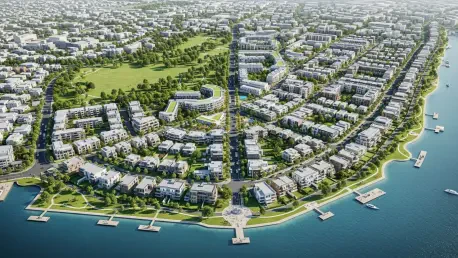
With plans for 1,350 new homes, a nature area, and open spaces, how will you translate the vision of a “high-quality waterfront neighborhood” into tangible design? What specific steps will ensure it meets the needs of Barrow’s community, from families to first-time buyers?
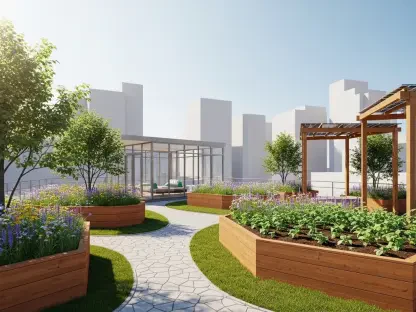
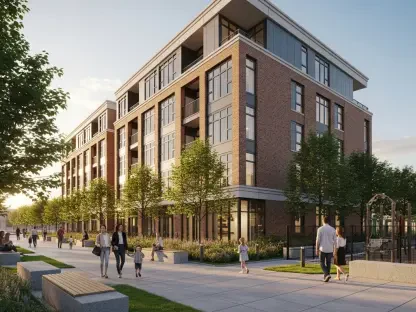
Translating that vision starts with listening. It’s about creating a place that feels connected to Barrow’s unique identity—its active historic docks and industrial future. Tangibly, this means our designs won’t be generic. We’ll focus on creating a network of vibrant, natural spaces that encourage well-being and active travel, making it more than just a collection of houses. To meet the community’s needs, we are prioritizing a diverse housing mix. This isn’t just about numbers; it’s about providing a genuine choice of types and tenures. We are actively planning for family homes with space to grow and accessible options for first-time buyers, ensuring that the people who work in Barrow can also set down roots and build their lives here.
Significant employment growth at BAE Systems is a major driver for this project. How is the Marina Village development specifically tailored to support this expanding workforce, and what types of housing and amenities will be prioritized to attract and retain these key employees?
The growth at BAE Systems is the heartbeat of this project. Marina Village is fundamentally a response to the strategic need for more housing to support the thousands of new employees and their families. We’re tailoring the development by focusing directly on what this workforce needs: high-quality, modern, and desirable places to live. This means prioritizing family homes and attractive options for those just starting their careers, moving beyond the bare minimum. The amenities will be crucial for retention. We envision a place within walking distance of the town center, with integrated green spaces and waterfront access, offering a great quality of life that makes people want to stay in Barrow for the long haul, not just for the job. It’s about creating a complete lifestyle package.
A “master developer” approach was chosen to ensure cohesive place-making. Could you walk us through the practical benefits of this strategy for coordinating infrastructure and maintaining long-term quality, especially when it comes to de-risking such a large-scale, multi-phase project for all partners?
The master developer approach is absolutely essential for a project of this complexity. Its primary benefit is creating a single point of responsibility for the entire vision. Instead of having multiple developers building individual parcels with potentially conflicting styles or timelines, one entity—in this case, Muse and its partners—oversees everything. This ensures the infrastructure, like the realigned Cavendish Dock Road and utility diversions, is delivered in a coordinated and logical way that serves the entire site. For all partners, this massively de-risks the project. The council knows there’s consistent quality control and long-term stewardship, while individual housebuilders who come in later know they are investing in a well-planned, high-quality community, which makes their own investment far more secure.
The site is undergoing a complex, multi-phase remediation of brownfield land supported by over £30 million in funding. Can you describe the main challenges of this process and explain how completing this groundwork paves the way for a thriving residential community?
Remediating a large brownfield site like this is a monumental undertaking. The main challenges are both technical and financial. You’re dealing with the legacy of past industrial use, which requires extensive ground remediation to make the land safe for residential development. This involves detailed environmental assessments and complex engineering work. The process is broken into phases for a reason. Phase 1, covering six hectares with £5.5 million in funding, is already complete. Now, we are tackling the 19-hectare second phase, backed by £24.8 million, which also involves major infrastructure work. Completing this groundwork is the critical first step; it’s literally the foundation. Without it, you simply cannot build a safe, healthy, or desirable community. It transforms a derelict, unusable piece of land into a clean slate, ready for new homes, parks, and life.
The Developer Led Framework was used for the procurement process. From a council’s perspective, how does a framework like this simplify appointing a major development partner, while also providing confidence in achieving transparency, pace, and long-term value for the community?
From a council’s perspective, a framework like this is a game-changer. Traditionally, procuring a partner for a multi-million-pound regeneration project can be an incredibly lengthy, complex, and expensive process. The Developer Led Framework simplifies this immensely by pre-vetting potential partners, ensuring they have the experience and financial standing to deliver. This provides immediate confidence and allows the council to move with pace, knowing the process is fully compliant and transparent. It frees up the council’s resources to focus less on the nuts and bolts of procurement and more on what truly matters: shaping the vision and defining the outcomes that will deliver long-term value for the people of Barrow. It’s about being robust and efficient at the same time.
What is your forecast for Marina Village?
My forecast for Marina Village is that it will become a benchmark for successful, industry-led town regeneration in the UK. This project is not just about building houses; it’s about building a future. It directly addresses a strategic national need tied to the submarine program while revitalizing the heart of a community. By integrating high-quality homes, public green spaces, and a strong connection to the waterfront, it will fundamentally shift perceptions of Barrow as a place to live and invest. In ten to fifteen years, I see a vibrant, thriving neighborhood that feels both modern and deeply connected to Barrow’s heritage, serving as a powerful testament to what can be achieved when public vision and private expertise work together towards a common goal.