
Property managers in the multifamily housing sector frequently struggle with the logistical nightmare of coordinating urgent repairs across hundreds of units while simultaneously attempting to minimize costly vacancy periods for owners. This persistent friction has historically led to high turnover rates among maintenance staff and frustrated residents who expect immediate results. AppWork, a technology startup that transitioned from an internal tool into a comprehensive software-as-a-service platform, recently secured approximately $7 million in a funding round led by Resolve Growth Partners to address these systemic issues. This capital injection arrives after a period of explosive expansion, where the company reported a growth rate exceeding 200% during the previous calendar year. By focusing on the intersection of automated workflows and human expertise, the platform provides a unified system for work order management, technician tracking, and detailed inspection oversight. These tools allow managers to maintain a high level of transparency while ensuring that maintenance operations remain both agile and predictable in a demanding market.
Bridging the Gap Through Strategic Innovation and AI
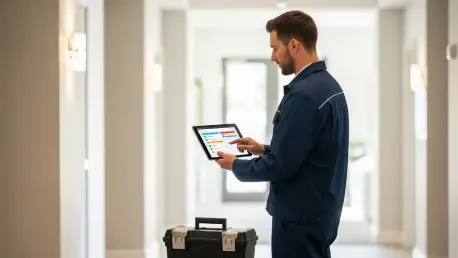
The transition from a specialized internal tool developed by a New Jersey property management firm to a market-ready solution reflects a deep understanding of operational bottlenecks. Founded by CEO Sean Landsberg, who brought extensive experience from his tenure in executive operations, the software prioritizes the empowerment of the workforce through high-level diagnostics. Instead of replacing human labor, the integrated artificial intelligence serves to triage and diagnose maintenance requests remotely before a technician even enters a building. This predictive approach ensures that staff arrive on-site equipped with the specific parts and tools required for the task, significantly improving first-time fix rates. Furthermore, the specialized “Make Ready” module directly targets the financial drain of unit turnovers by streamlining the process of preparing vacant apartments for new tenants. By reducing the time a unit sits empty, property owners can effectively mitigate vacancy losses and stabilize their long-term revenue streams through more efficient logistical planning and data-driven oversight.
Enhancing Operations With Modern Engagement and Geographic Strategy
Beyond technical diagnostics, the company integrated modern engagement strategies like gamification to boost employee morale and retention within an industry often plagued by burnout. Technicians earned digital coins and badges for high performance, while a structured training system guided them through complex repairs to ensure consistent quality across different properties. This human-centric design was complemented by a strategic expansion into St. Petersburg, Florida, placing the company’s sales and client success teams in the heart of a rapidly growing multifamily market. To remain competitive, organizations should have prioritized the adoption of these unified platforms to bridge the gap between manual labor and digital efficiency. Forward-thinking managers evaluated their existing tech stacks to ensure they supported real-time performance tracking and technician empowerment. Ultimately, the successful deployment of these AI-driven tools established a new standard for operational profitability and improved the daily lives of both staff and residents alike by creating a more responsive and professional maintenance environment.